This week the design site Hackrea published its forecast for 2027 smart homes, and the headline idea is a good one: technology should disappear. No plastic hubs on the credenza, no chunky switch plates, no speakers on stands. Just a house that dims, shades, plays music, and stores power without announcing it.
Almost every trend on the list assumes one thing, though: drywall. Hide the speaker behind drywall. Recess the shade pocket into the drywall ceiling. Mud the control panel into the drywall before it's finished. And the houses we love most don't have much of it.
Why these houses are harder to hide things in
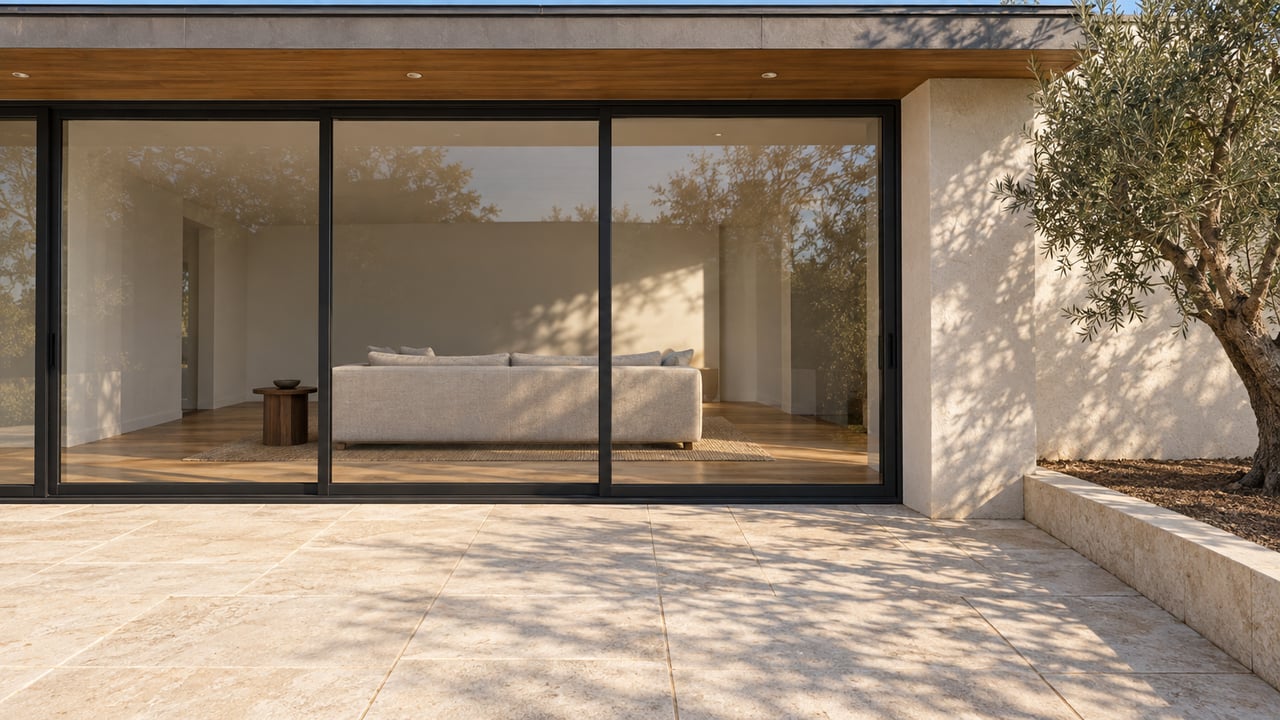
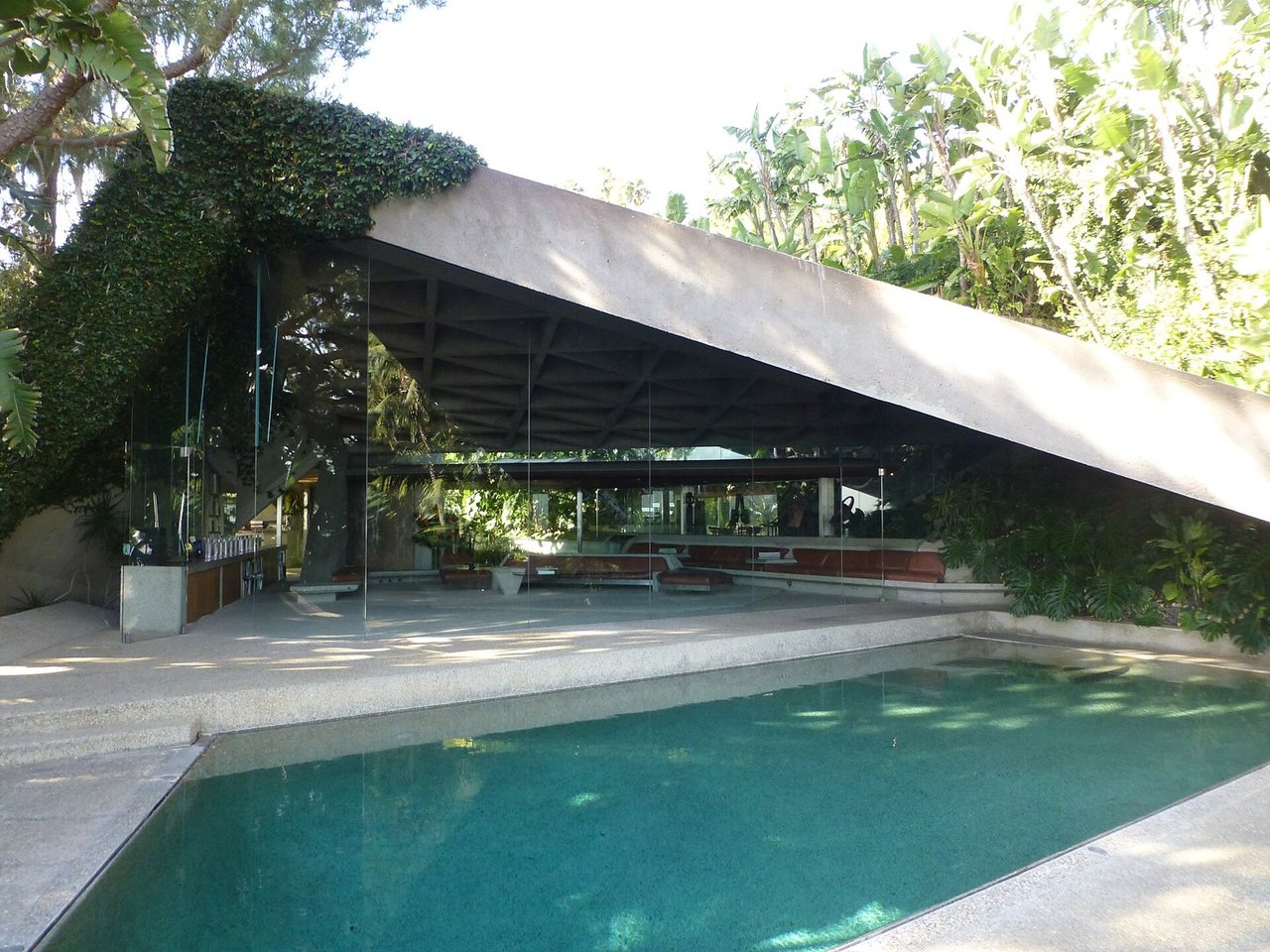
In a lot of post-and-beam houses, the ceiling you're looking at is the roof. Tongue-and-groove planks sit right on the beams, so there's no attic to fish a wire through and no cavity to recess anything into. Many sit on a concrete slab, so there's no crawl space underneath either. Interior walls tend to be few and thin, and the exterior walls are often mostly glass.
That's the architecture doing its job. It also means the "invisible" playbook needs translating. Of Hackrea's twelve trends, six hold up in these houses, and most of them work because they're wireless or battery powered rather than buried in a wall.
1. Controls that don't need a new wire
The fastest way to clean up a wall is to stop adding switches to it. Lutron's Pico remote, part of its Caséta line, mounts on a wall with no wiring and no hole. Lutron says its battery typically lasts 10 years and that one Pico can control up to 10 Caséta dimmers and switches, with no hub required. In a house with one short run of wall between two glass panels, that's often the only honest place a switch can go.
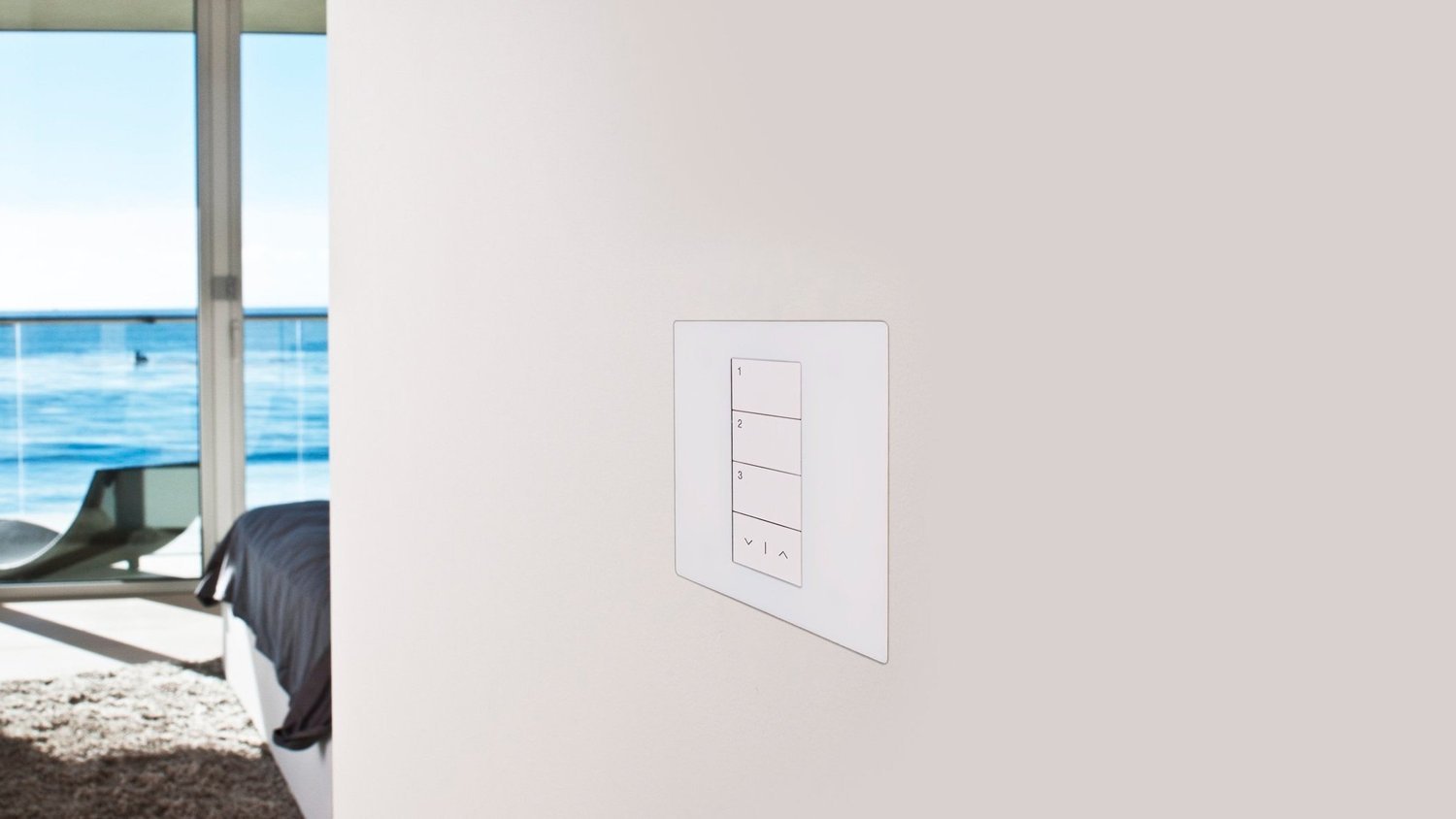
Where you do have a stretch of drywall or plaster, the flush look Hackrea describes is real. TRUFIG makes mounting systems that set keypads, dimmers, and outlets from brands like Lutron flush with the wall, under a fascia that can be painted to match. The catch: TRUFIG's standard mounts are for drywall, plaster, or small tile, and they go in during construction, taped and mudded into the wall. It has separate versions for wood and stone. Either way, a flush keypad belongs in the remodel plan.
2. Shades that run on batteries
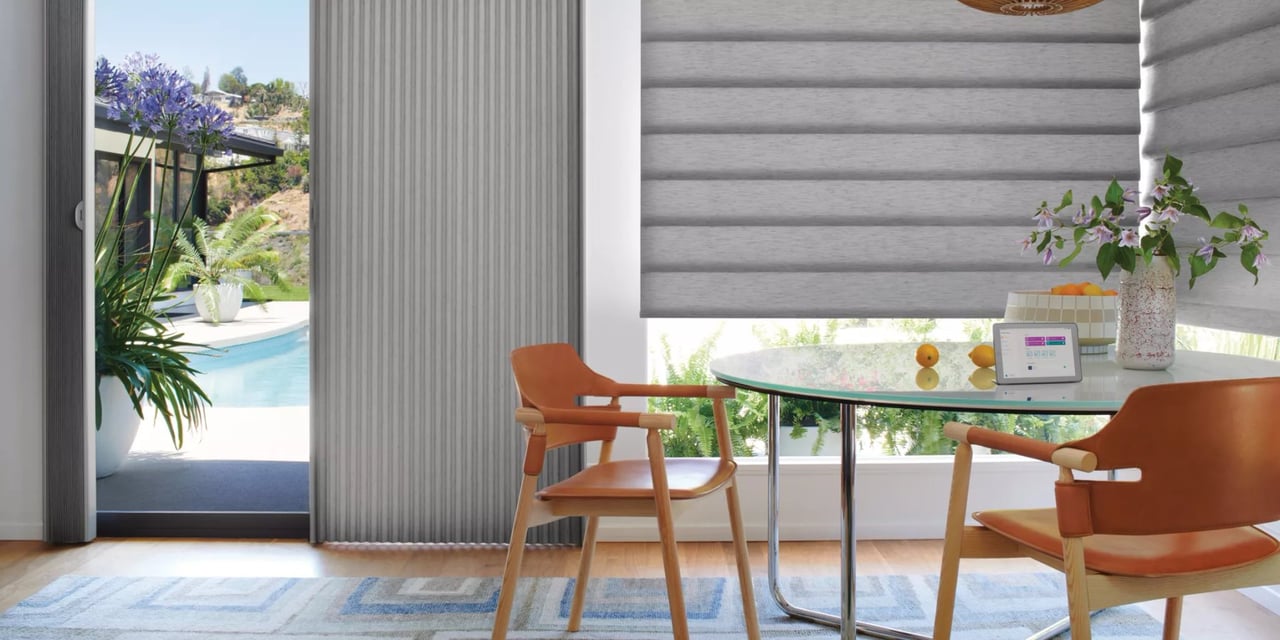
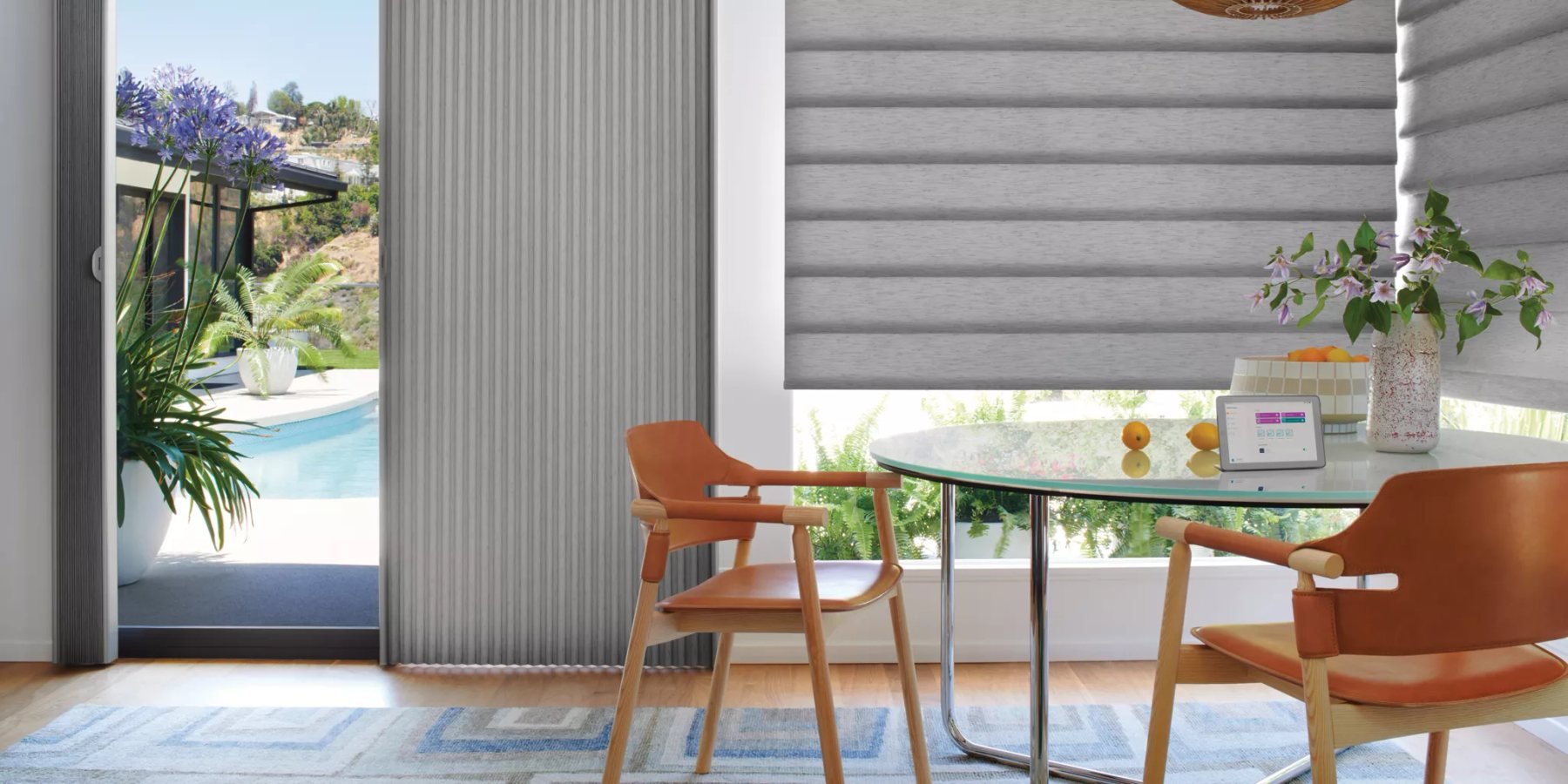
Hackrea's version of motorized shades drops them from a hidden pocket in the ceiling. In a beamed house, there's no ceiling to pocket into, so the shade mounts at the window header or on a fascia between beams. What matters more is power, because running a new wire to every window in a glass-walled house means opening walls you'd rather keep intact.
Two of the big makers solve that with batteries. Lutron's Triathlon shades run on standard D batteries that Lutron says last three to five years, and it says they install "without pulling a single wire." Hunter Douglas powers its PowerView shades with a rechargeable battery wand that it puts at about a year per charge, and sells a Solar Charger that mounts on the window glass or jamb. For a house that's mostly window, that's a nice irony: the glass helps power the shade that covers it.
3. Tunable light in the coves you already have
Circadian lighting means light that shifts through the day, cooler and brighter at midday, warmer at night. Hackrea wants it hidden in new ceiling coves. Plenty of midcentury houses already have the right spot: an original light cove, a soffit, or a ledge above the clerestory windows.
Lutron's Ketra line is a good example of how that works without rewiring. Each Ketra light source has its own wireless control built in, which Lutron says eliminates control wire and lets the lighting be rezoned later without rewiring. Lutron lists a white range from 1,400K to 10,000K, and the line includes linear fixtures and lamps as well as downlights. Ketra runs on Lutron's professional systems, so plan on going through a Lutron dealer.
4. Speakers that disappear into plaster
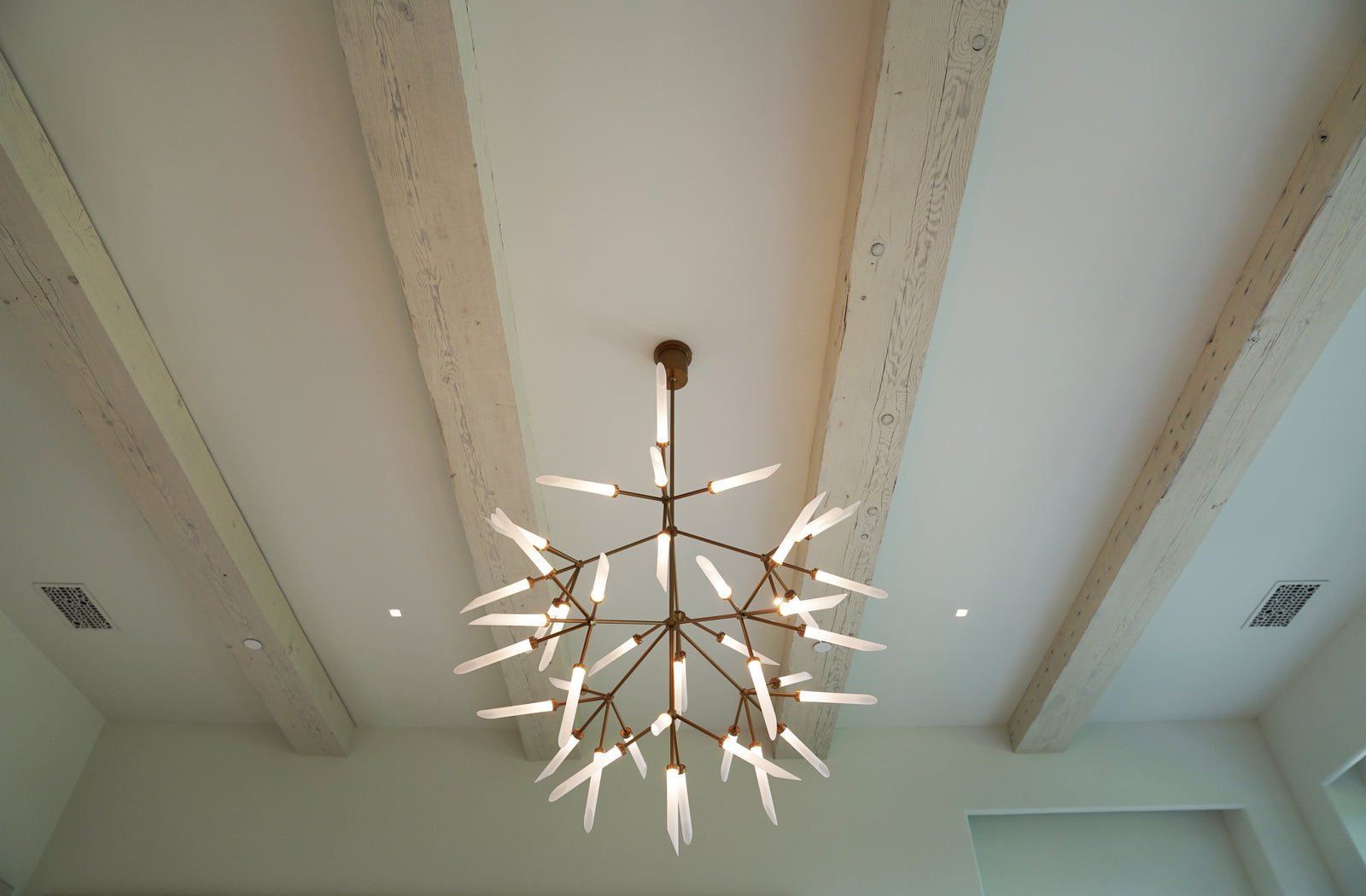
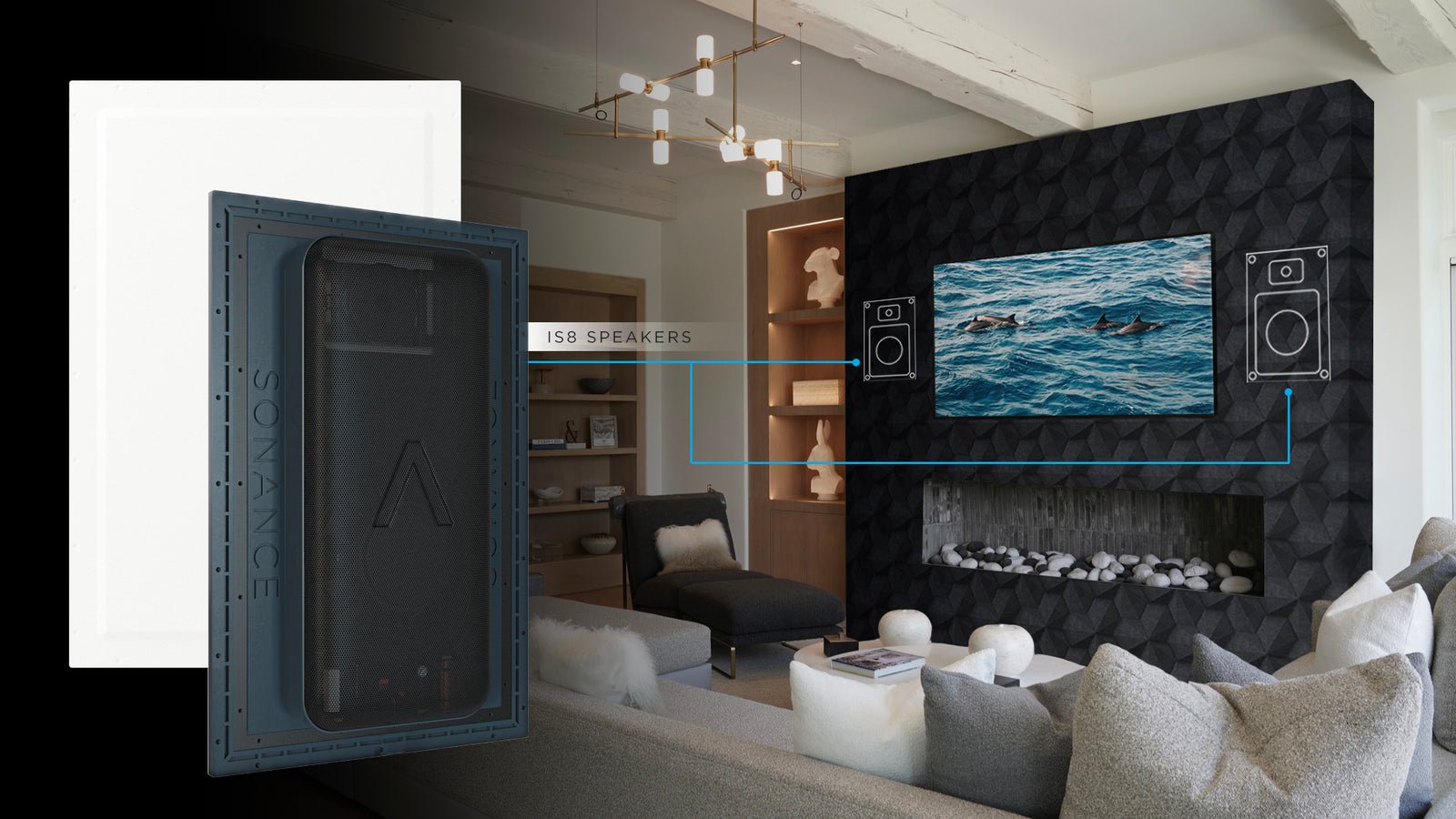
Invisible speakers are real and they're good. Sonance's Invisible Series installs flush and gets finished over, so the wall or ceiling looks untouched. Sonance lists the surfaces it works under as drywall, select plasters, wallpaper, leather, and wood veneer, in-wall or in-ceiling.
Notice what's not on that list: a tongue-and-groove plank ceiling. So in a post-and-beam house the move is to find the plaster. That might be the drywall panels between beams in a later addition, the one solid interior wall, or the wall behind the fireplace.
5. The battery goes outside
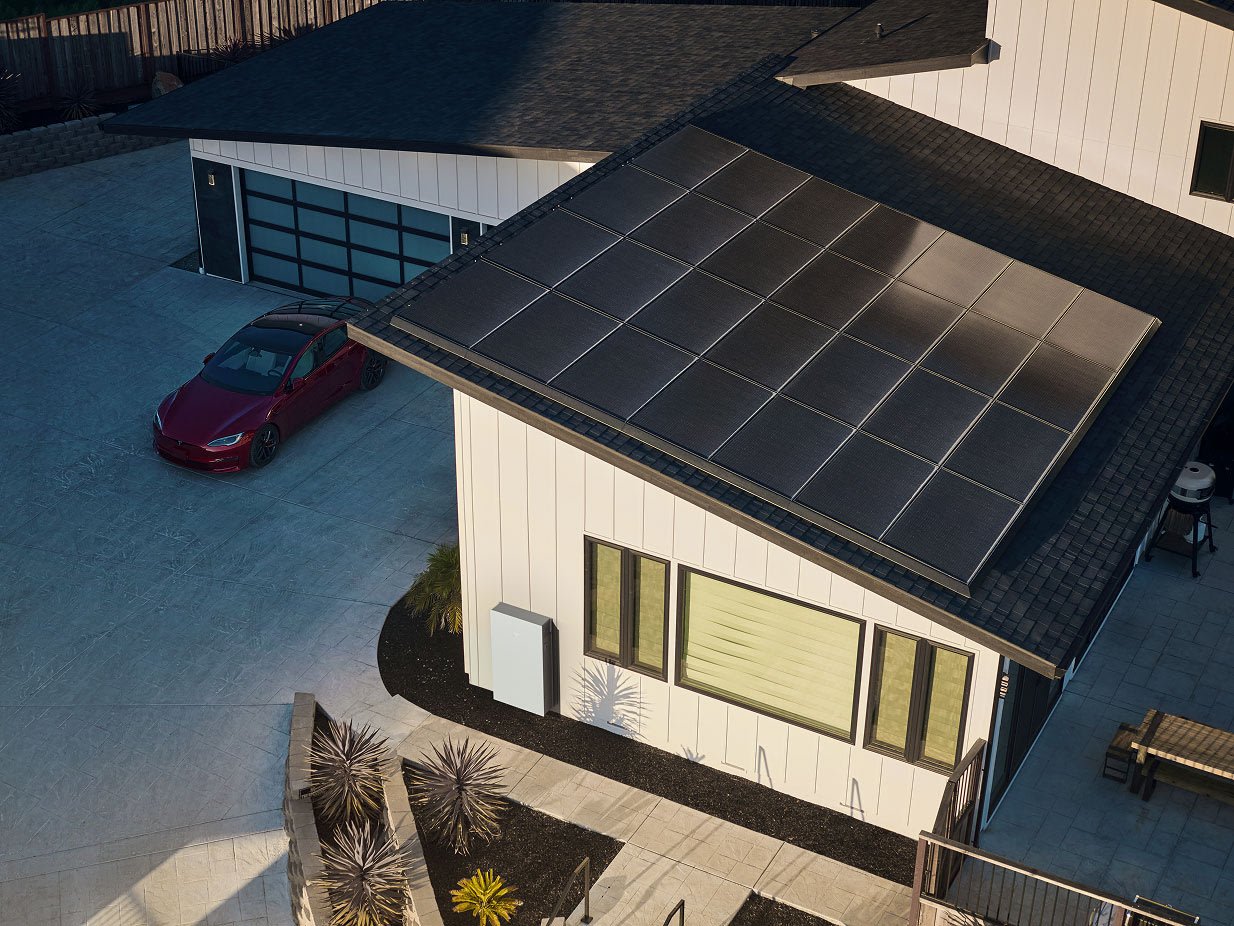
Hackrea pictures a home battery as a sculptural "totem" in the mudroom. Most of our houses don't have a mudroom, and on a slab there's no basement to hide one in either. The good news is you don't have to put it inside.
Tesla lists Powerwall 3 at 43.5 by 24 by 7.6 inches and 287 pounds, with 13.5 kWh of storage and a built-in solar inverter. Tesla rates it from -4°F to 122°F and flood resistant up to two feet, so an exterior wall or a carport works, and a carport is something plenty of these houses have. The predictive part Hackrea describes is real, too: Tesla's Storm Watch charges the battery to full when severe weather is forecast.
6. One language instead of five hubs
The least glamorous trend on the list might matter most. Matter is a connectivity standard from the Connectivity Standards Alliance that lets compatible devices from different brands work together, over Wi-Fi and a low-power wireless network called Thread. In practice, that means fewer brand-specific boxes blinking on a walnut credenza. In a house with almost no closets, keep the one router you do need somewhere ventilated and out of sight.
About the glass
Hackrea also lists switchable smart glass. We covered it last month in "The Glass Wall Problem, and a Way Around It," and it's still the one trend on the list built specifically for houses like ours.
Planning a remodel? Decide on flush controls and invisible speakers before the walls close, because both go in with the drywall. If the roof is coming off anyway, ask your electrician what can run with the new insulation above the planks. Map every window for battery or solar-charged shades. And pick an outside wall or carport for a future battery now, even if you don't buy one yet.
What we'd skip
Not every trend fits the architecture. Living walls need plumbing and drains planned before the slab is poured. Greywater systems need a second set of pipes. Under-counter induction and biometric showers are fine ideas that have nothing in particular to do with a midcentury house. They belong in a different kind of house.
The houses we love were built around light, views, and very little in the way. The best tech for them is the kind that leaves the beams alone.
Sources and credits
Starting point: "The Invisible Smart Home: 12 Design-First Tech Trends for 2027", Hackrea Aesthetics Desk, Hackrea, September 30, 2026.
Lutron Pico and Caséta details from Lutron's Pico Original Smart Remote Mounting Kit page. Triathlon shade details from Lutron's Triathlon page. Ketra details from Lutron's Ketra page.
TRUFIG details from TRUFIG's Wiring Devices & Lighting Controls page. Keypad photo courtesy of TRUFIG.
PowerView battery and Solar Charger details from Hunter Douglas's PowerView Automation page. Shade photo courtesy of Hunter Douglas.
Invisible Series details from Sonance's Invisible Series page. Ceiling photo and speaker diagram courtesy of Sonance.
Powerwall 3 specifications and Storm Watch from Tesla's Powerwall page. Photo courtesy of Tesla.
Matter description from the Connectivity Standards Alliance's Matter page.