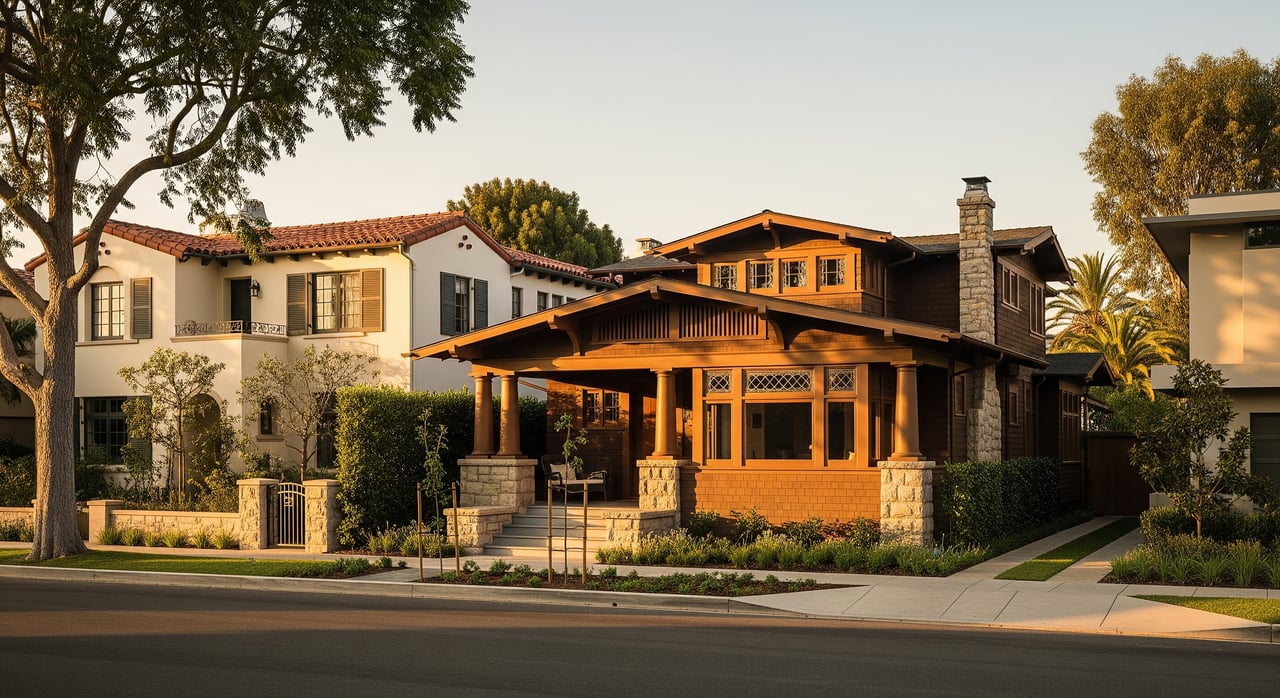
Hunting for streets with true architectural gems in Newport Heights? If you love design, it can feel overwhelming to separate real architectural substance from look‑alike remodels. You want a home with character, integrity, and a story, not just square footage. In this guide, you’ll learn how to spot the defining styles in Newport Heights, where to focus your search, and what to know about permits and preservation before you buy or renovate. Let’s dive in.
Why Newport Heights shines
Newport Heights sits above the harbor in Newport Beach and is known for hillside and bluff‑top homes with views. The neighborhood grew in waves that you can still read in the streetscape. Early 20th‑century bungalows and Spanish Revival homes were followed by a major postwar boom with Mid‑Century Modern and Ranch styles. Later infill introduced larger contemporary builds that take advantage of light and views.
Before you label a block, confirm the neighborhood boundaries with current city maps. Local naming can be fuzzy, and the safest approach is to verify that a street truly sits within Newport Heights. This simple check keeps your search accurate and your expectations grounded.
Style cheat sheet
Understanding the styles you see on a walk is the fastest way to spot an architectural gem.
Spanish Colonial Revival
- Stucco walls with smooth finishes and red clay tile roofs.
- Arched entries and windows, wrought‑iron details, and small courtyards.
- Decorative tile at stairs, fountains, or porches.
Craftsman and California Bungalow
- Low‑pitched gabled roofs with wide eaves and exposed rafter tails.
- Tapered porch columns on piers, often with stone or brick bases.
- Wood siding or shingles and simple, honest detailing.
Mission Revival
- Simple stucco masses with curved parapets or bell gables.
- Clay tile roofing and minimal ornament.
- A restrained cousin to Spanish Colonial Revival.
Mid‑Century Modern
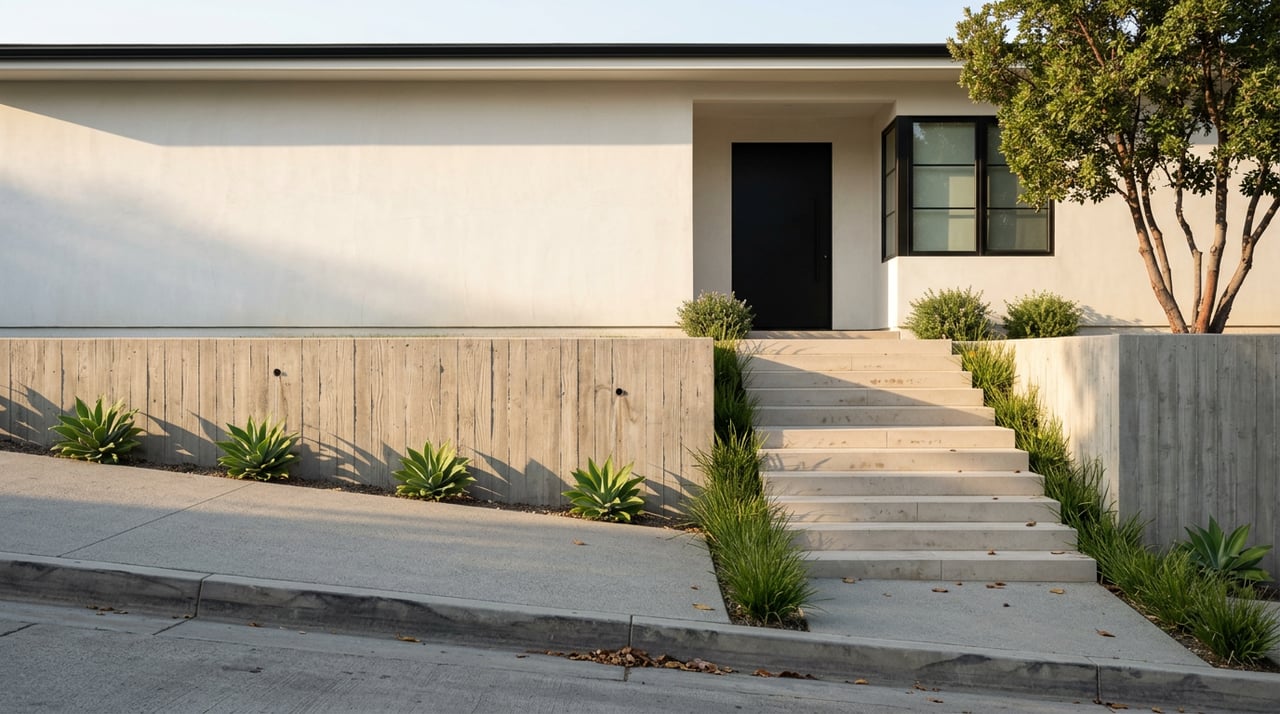
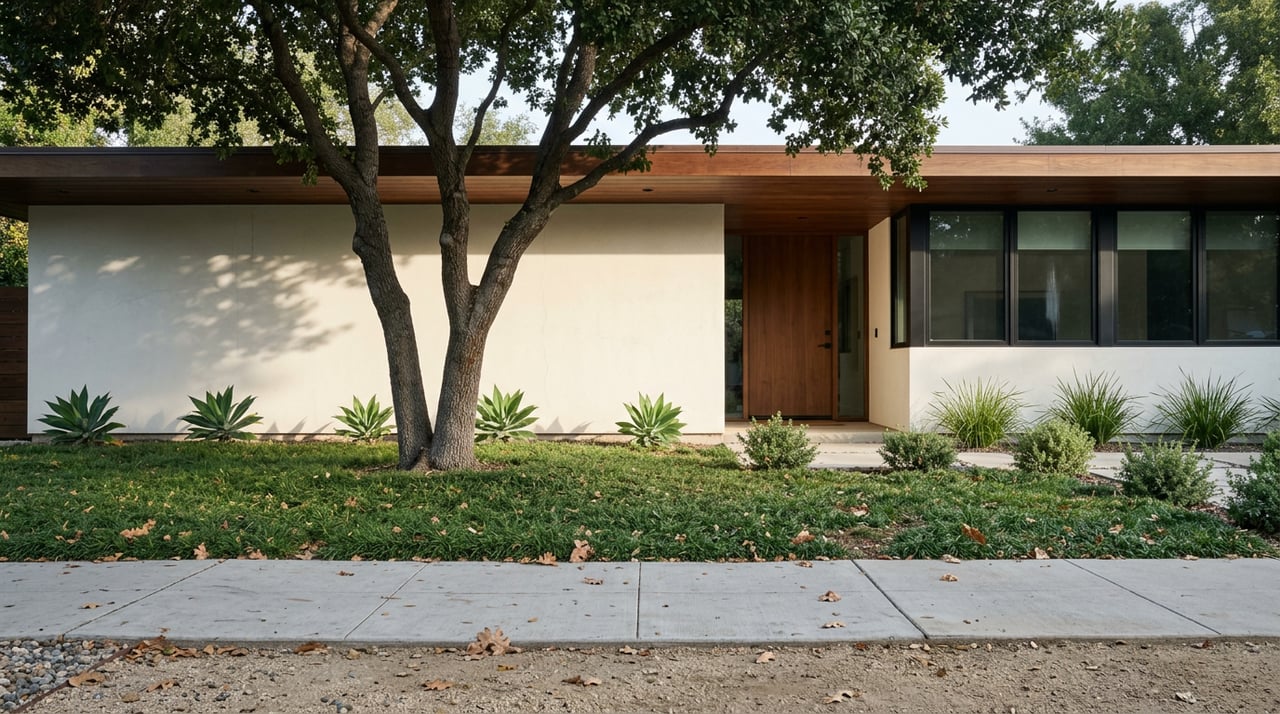
- Flat or low‑sloped roofs and clean, horizontal lines.
- Post‑and‑beam construction with large panes of glass.
- Seamless indoor‑outdoor connections adapted to coastal light.
Postwar Ranch and Split‑Level
- Long, horizontal profiles with attached garages.
- Informal plans oriented to the yard.
- Often on larger lots with simple detailing.
Contemporary and Coastal Modern
- Expansive glazing for views and natural light.
- Mixed materials like glass, metal, and stucco.
- Multi‑level forms that respond to hillside sites.
What counts as a gem
Not every older house qualifies. Look for the qualities that signal enduring value.
- Intact, well‑preserved examples of a style with original exterior details.
- Mid‑century homes that retain post‑and‑beam structure and original window patterns.
- Architect‑designed residences with verified attribution in public records.
- Homes shaped by topography, such as bluff‑edge or terraced sites.
- Small clusters of bungalows or mid‑century houses that read as an intact block.
- Sensitive rehabilitations that keep historic character while updating systems.
Where to look first
Use physical cues and public data to narrow your focus to blocks with the highest potential.
Bluff edge and canyons
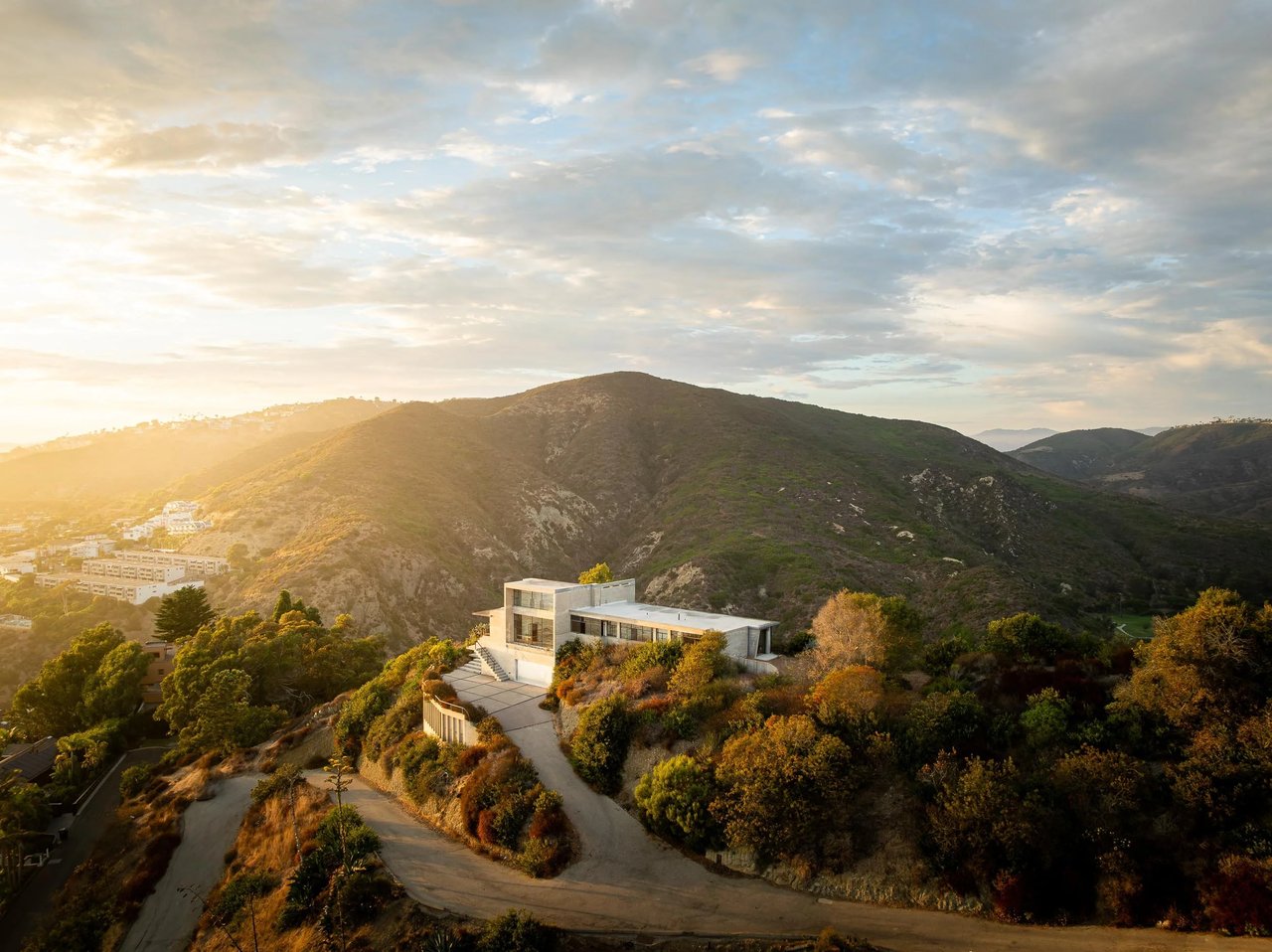
Streets along the bluff or overlooking natural contours often feature site‑responsive design. Expect multi‑level forms, large window walls, and thoughtful outdoor spaces. These settings attract both original modernist builds and later Coastal Modern homes.
Early subdivision blocks
Blocks with continuous small lots and consistent rooflines often indicate the original development era. When multiple homes share early 20th‑century proportions and materials, you may be looking at a pocket of Craftsman, Mission Revival, or Spanish Revival houses.
Mid‑century pockets
Areas that saw heavy postwar growth can produce runs of 1940s to 1960s homes. Look for one‑story Ranch profiles, carports or early attached garages, and low‑sloped roofs. Intact examples with original window walls or clerestories are worth a closer look.
A step‑by‑step scouting plan
You can build a target list without guesswork by combining desk research and a short field tour.
Desk research
- Confirm boundaries. Start with the City of Newport Beach neighborhood and zoning maps to ensure the blocks you are studying are within Newport Heights.
- Map the age of homes. Use Orange County Assessor parcel data to visualize year built. Concentrations of pre‑1940 or pre‑1960 homes are strong leads.
- Check historic resources. Review the City’s Historic Resources Inventory and state or national registers for any listed properties. Listing affects review processes and incentives.
- Review permit history. Building permit records can confirm construction dates, major remodels, and sometimes architect or builder names.
- Scan imagery. Use Google Street View for an initial visual read on rooflines, window patterns, and facade changes.
Fieldwork
- Walk or drive the candidates. Photograph exteriors from public rights‑of‑way for your notes and compare what you see to style cues.
- Look for integrity. Focus on original materials, window grids, eave details, and consistent massing across a block.
- Note standouts. Record addresses and parcel numbers to verify age and any architect attribution later.
- Respect privacy. Stick to public viewpoints and avoid interior or close‑up images of private spaces.
How to validate a “gem”
- Cross‑check at least two sources for construction year and any architect attribution.
- Confirm if the property appears on the local historic inventory.
- Distinguish original fabric from later remodels by comparing historic maps or photos with today’s facade.
Preservation and permits basics
If you plan to buy and improve a notable home, a little homework goes a long way.
- Historic designation. Some homes may be listed locally or in state or national registers. Listing can influence design review, incentives, and the permit path.
- Local design review and zoning. Newport Beach has review processes that guide exterior changes, especially near bluffs, ridgelines, and view corridors. Early consultation prevents surprises.
- Coastal considerations. Properties near the coast can trigger California Coastal Act policies and local coastal plan standards, including bluff setbacks and public access factors.
- Building codes. Expect seismic, structural, and energy‑code upgrades for older homes. Coastal exposure also adds maintenance needs due to moisture and corrosion.
Buying, restoring, or rebuilding
Approach an architecturally significant property with a plan that balances respect for design with modern livability.
- Budget for discovery. Older homes often need foundation, electrical, and envelope upgrades. Thorough inspections reduce risk.
- Phase your project. Prioritize structural and weatherproofing work first, then tackle finishes and landscape.
- Keep the character. Preserve defining elements like rooflines, original window patterns, and porch proportions. Small, authentic details make a big difference.
- Align with guidelines. If a property is listed or eligible for listing, incorporate preservation standards into your design scope early.
- Document the story. Permits, old photos, and prior plans add provenance that can support long‑term value.
Market perspective
Architectural significance can support pricing power in design‑savvy markets, especially when homes retain original character and sit in desirable settings. Value is still a blend of condition, lot attributes, views, and how well a renovation respects the architecture. If you are selling, design‑sensitive marketing can spotlight provenance and reach the right buyers. If you are buying, curated search and off‑market access can surface opportunities before they hit the public market.
Work with a design‑first team
If you are serious about finding streets with real architectural gems in Newport Heights, partner with a boutique brokerage that treats architecture as the asset. We specialize in Mid‑Century, Post and Beam, Coastal Modern, Ranch, and Contemporary homes. You get curated on‑ and off‑market opportunities, neighborhood‑level expertise, and editorial‑grade marketing when it is time to sell. Ready to tour blocks with the most potential and move decisively when the right home appears? Connect with bouHAUS.
FAQs
Which Newport Heights streets have the most historic homes?
- Focus on blocks with many pre‑1940 or pre‑1960 build dates, consistent original rooflines, and intact facades, then verify with city inventories and permit records.
How can I confirm if a Newport Heights home is landmarked?
- Check the City of Newport Beach Historic Resources Inventory and state or national registers, then confirm status with city planning staff before making plans.
What permits apply when renovating an older Newport Heights home?
- Expect standard building permits plus possible design review, and if near the coast, additional coastal or bluff‑related standards that can affect scope and timing.
Do older coastal homes in Newport Heights need special maintenance?
- Yes, coastal exposure accelerates corrosion and moisture wear, so plan for envelope upgrades, wood repair, and window or roofing work over time.
Does architectural significance impact resale value in Newport Heights?
- Often yes, especially for intact or well‑restored homes, but value also depends on lot size, views, condition, and how sensitively any renovation was done.
What is the best first step to find design‑rich blocks?
- Map year‑built data from the assessor, overlay any historic listings, and do a short street‑level survey to shortlist the most intact and consistent segments.