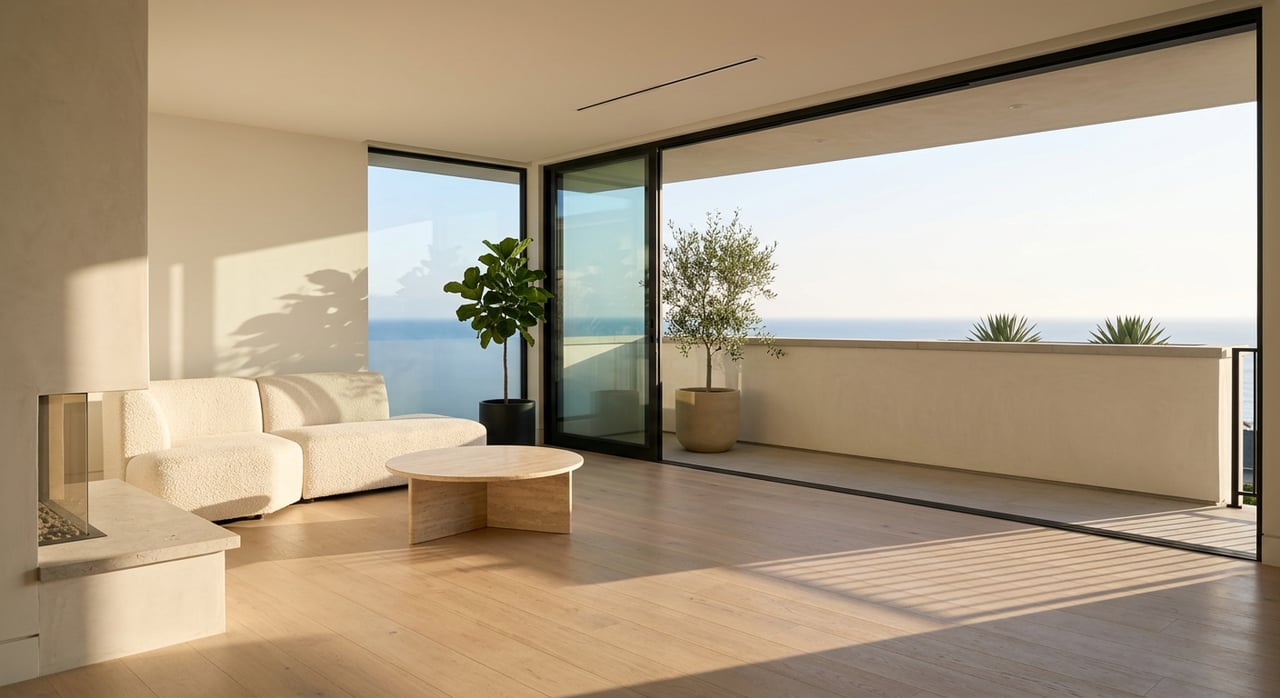
Picture yourself dropping into a chair and seeing water, sky, and coastline stretch in a single sweep. In Newport Heights, that view is not just scenery. It is a daily rhythm shaped by orientation, light, and the bluff itself. If you are comparing homes here, understanding how views and daylight interact will help you judge real value, avoid surprises, and make stronger decisions. This guide breaks down the view types, how sun angles change your experience, what the research says about price premiums, and the due diligence that protects you. Let’s dive in.
Newport Heights at a glance
Newport Heights sits on a bluff above Mariners Mile, with many parcels positioned to look over Newport Harbor and out to the Pacific. The neighborhood is generally bounded by Pacific Coast Highway, Dover Drive, 16th Street, and Newport Boulevard.
City mapping for Newport Heights and adjacent Cliff Haven, published February 18, 2026, shows spot elevations and contours along the ridgeline. Those elevation differences explain why certain streets, including parts of Cliff Drive and Kings Road, deliver true sit-down panoramas while lower inland blocks see only partial or inland views.
Public portal snapshots place neighborhood prices in the multi-million range. For context, Redfin reported a median sale price of about $4.197 million for Newport Heights as of January 2026. Medians vary by portal and month, so always note the source and date when you quote a headline number.
View types that matter
Ocean horizons
Open Pacific and Catalina vistas, especially wide and unobstructed horizons, tend to command the highest premiums. On the bluff, some parcels look past the harbor to the coastline and sunset line, which materially changes perceived value.
Harbor and bay
Views across Newport Harbor, Lido Isle, and Balboa add a boating and marina lifestyle component. Even without open-ocean horizon, animated water activity and night lights create a distinct premium for many buyers.
Ridgeline panoramas
Homes at or above the ridgeline can deliver broad angular spans from harbor to ocean, with sit-down views from primary living areas. Floor plans that put your great room and deck toward the panorama amplify both daily enjoyment and pricing power.
Partial or peek‑a‑boo
Limited scope or views interrupted by rooftops or vegetation do add value, but the premium is smaller and fades quickly as distance from the water increases. If you are paying for a view, be precise about scope and obstructions.
Orientation and the value of light
How sun angles change your day
- South exposure gives the most even daylight across seasons. Interiors feel balanced and bright without sharp swings.
- West exposure captures late-day sun and sunsets, often a highlight for ocean-facing homes, but can introduce afternoon heat and glare.
- East exposure brings gentle morning light, often favorable for harbor outlooks and cooler afternoons.
Marine layer reality
In late spring and early summer, the coastal marine layer, often called May Gray or June Gloom, can mute horizon views and soften direct sun during mornings. It often clears by midday, but timing varies. The takeaway is simple: visit at different times of day and in different months to understand your true light and view windows.
What to record during tours
- Primary living spaces that face the view and percentage of glazing on those sides.
- Light quality at morning, mid-afternoon, and sunset, plus at least one visit in May or June.
- Whether the view is uninterrupted, partially blocked, or at risk based on adjacent rooflines or trees.
What the data says about premiums
Academic hedonic studies consistently find large positive effects for wide coastal water views. Reported estimates in the international literature place wide water-view premiums in the tens of percent, often in the 30 to 60 percent range near the shoreline. These are directional signals, not guarantees for a single lot.
Daylight itself also carries measurable value. A rigorous study in Wellington estimated about a 2.6 percent increase in house price per additional daily hour of direct sunlight. While New Zealand is not Southern California, this result shows buyers price daylight as a distinct amenity.
Commercial evidence from the MIT Real Estate Innovation Lab finds rent premiums on the order of 5 to 6 percent for offices with strong daylight and view access. Different use case, same pattern: people pay for daylight and views.
Locally, high-end new construction and bluff-top parcels along Cliff Drive and Kings Road have listed and sold at premiums relative to many inland streets, reflecting market willingness to pay for unobstructed ocean and harbor panoramas. Neighborhood medians vary by portal and time window, so rely on MLS data tagged for view scope when you want a clean Newport Heights signal.
Legal context and view risk
No automatic right to a view
Under California law, you do not automatically have a legal right to a view or to sunlight. Any protection must come from recorded easements, CC&Rs, or specific local regulations. Without such protections, a neighbor may be able to build within zoning and obstruct a view you currently enjoy.
Newport Beach coastal rules
Newport Beach’s Local Coastal Program and municipal code apply bluff overlays, setbacks, and coastal development permit requirements along the bluff. Geotechnical setbacks and height rules can limit massing on bluff-top sites, which may reduce the chance of future view blockage, but they do not guarantee private view protection. The California Coastal Commission also considers long-term bluff retreat and sea-level rise when setting setbacks, which affects future buildability and perceived risk.
Practical checks before you buy
- Order a preliminary title report and look for recorded view or light easements, reciprocal easements, or CC&Rs that mention view protections.
- Review City GIS, zoning, and Bluff Overlay maps for your parcel and adjacent parcels.
- If you are evaluating a bluff-top lot, obtain a geotechnical report that addresses recommended bluff setbacks and erosion exposure.
- Check recent and pending building permits for neighboring parcels within 100 to 200 feet.
Design tradeoffs to weigh
Daily experience vs constant sun
A west-facing great room with a horizon line can be magical at sunset yet warm in late afternoon. A south-facing plan may feel evenly luminous all day. North-of-west orientations can cool glare but also shorten direct-sun windows. Walk the house at different times to feel the balance.
Privacy vs panorama
Floor-to-ceiling glass and big terraces maximize view capture and perceived value. They can also reduce privacy and increase cooling and cleaning needs. Good design pairs large view walls with clerestory windows, strategic landscaping, and shading to keep privacy and comfort without losing the outlook.
Coastal maintenance matters
Salt air accelerates corrosion on hardware, railings, and HVAC components. Marine-grade selections like 316 stainless, powder-coated aluminum, fiber-cement siding, and stainless fasteners help control long-term costs. Budget for regular glass cleaning and exterior maintenance to protect net value.
Seller playbook to maximize view value
- Lead with scope. Photograph and film from seated eye level to prove sit-down panoramas.
- Time your media and showings for peak light. Golden hour often reads warmer, while midday can prove clarity after marine layer burn-off.
- Stage for the outlook. Keep sightlines clean, angle furnishings toward the view, and simplify window treatments.
- Document protections. If you have recorded easements, prior coastal permits, or geotechnical studies, make them easy for buyers to review.
- Map the orientation. A simple plan graphic showing living room exposure helps buyers visualize the light rhythm.
Quick field checklist
- Address and APN, plus a City GIS excerpt showing contours and any bluff overlay.
- View type and scope, with photos at morning, midday, and sunset in at least two seasons.
- Elevation and ridgeline position, either from City GIS or a survey.
- Orientation of main living spaces, with approximate glazing percentage facing the view.
- MLS sale data, price per square foot, sale date, days on market, and marketing notes that reference views.
- Preliminary title report excerpts that mention easements or CC&Rs.
- Zoning, Bluff Overlay classification, and whether a Coastal Development Permit or geotechnical report exists.
- Neighbor permit activity within 100 to 200 feet.
Work with a view-savvy team
If you are weighing a bluff-top gem, a harbor panorama, or a home with a promising peek, you deserve advice grounded in design and data. Our boutique team pairs architectural fluency with hyperlocal market knowledge to help you price, position, or pursue the right Newport Heights home. Tap our buyer advocacy, discreet off-market access, and valuation support to make a confident play. Connect with bouHAUS to start a tailored plan today.
FAQs
What defines a “sit‑down” view in Newport Heights?
- A sit-down view is visible from a seated eye level in primary living areas without standing or leaning, often achieved on ridgeline or bluff-top lots with living spaces oriented toward the panorama.
How does orientation affect Newport Heights pricing?
- South and west exposures can enhance perceived value by delivering even daylight or sunset moments, but premiums depend on view scope, floor plan, elevation, and market cycle.
Does California law protect my Newport Heights view?
- Not automatically. Any protection must come from recorded easements, CC&Rs, or specific local rules. Always review title, local zoning, and coastal overlays for your parcel.
How does the marine layer impact ocean views?
- In late spring and early summer, morning low clouds can mute or block horizon lines until midday. Visit homes at different times to judge real view windows.
What due diligence reduces view‑obstruction risk?
- Pull a preliminary title report, review City GIS and Bluff Overlay maps, check neighbor permits within 100 to 200 feet, and get a geotechnical report for bluff-top sites.
Are peek‑a‑boo views worth paying for?
- Yes, but the premium is smaller and decays with distance from the water. Be precise about scope, obstruction risks, and how much of the day the view reads clearly.