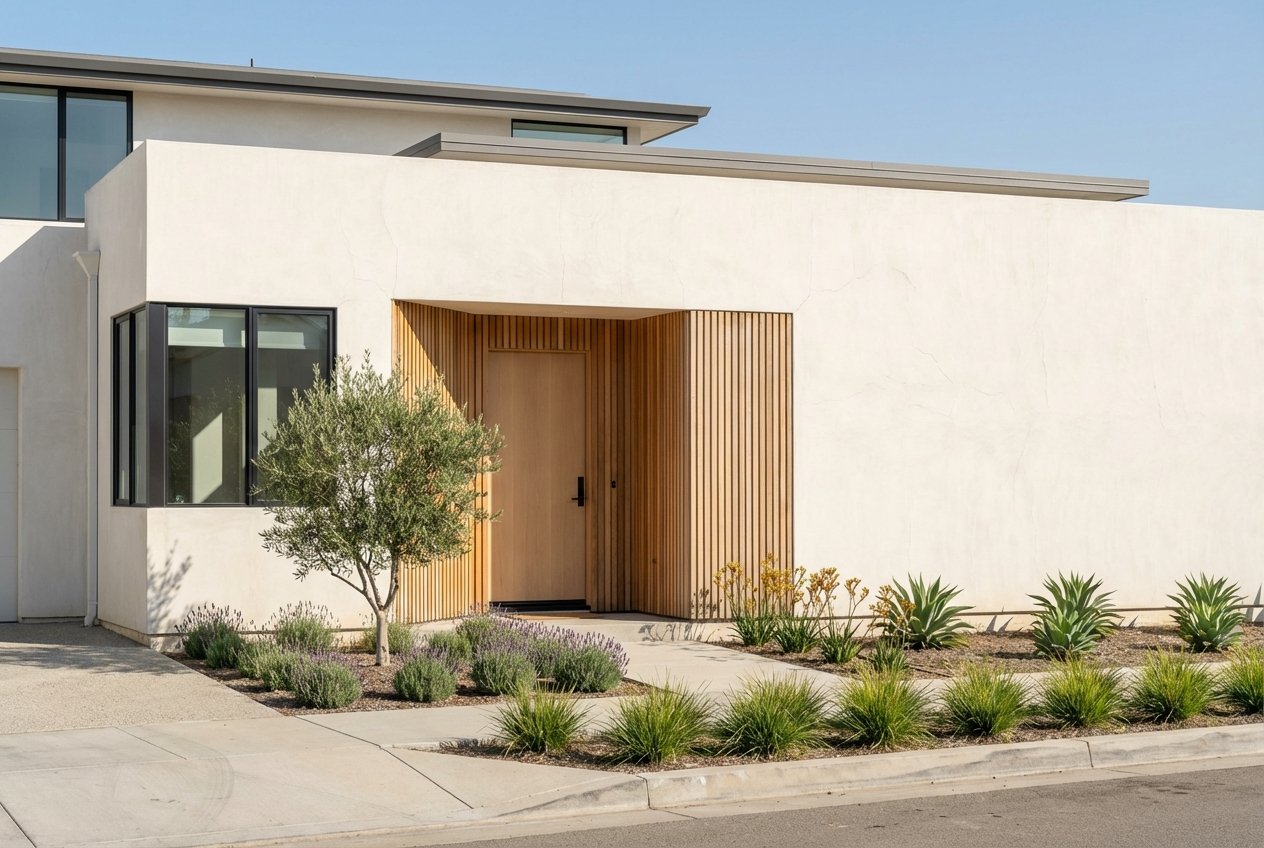
If you love design, few places reward a slow walk like Newport Heights. From the bluff, you look across boat masts and Pacific Coast Highway toward the harbor, while the streets around you layer cottages, ranches, mid-century ideas, and crisp coastal contemporaries. Whether you live nearby or you are scouting neighborhoods, this walk gives you a design-forward lens on the Heights. You will get a short route, what to look for at each stop, a quick glossary, and simple tips for maps and photos. Let’s dive in.
Your route at a glance
- Distance and time: 0.5 to 1.5 miles, 45 to 90 minutes depending on stops.
- Start and finish: Cliff Drive Park on the bluff, looping through nearby streets, with an optional detour to Castaways Park.
- Map help: For a quick boundary reference, use the neighborhood map on the Wikipedia page for Newport Heights.
- Public access: Cliff Drive Park and Castaways Park are city facilities with public viewpoints listed on Newport Beach parks pages.
- Photo tip: Golden hour brings out warm light on facades and the harbor.
Stop 1: Cliff Drive Park overlook
Start at Cliff Drive Park and the adjacent community center. From here, you feel the bluff-edge relationship to Pacific Coast Highway and the boatyards below. Use the railings and open sightlines to take in how homes orient windows, terraces, and rooftop decks toward the water. The harbor frontage along Mariner’s Mile shapes much of this view; learn more about the corridor on the visitor guide for Mariners Mile.
What to notice:
- Sit-down views from the ridge and why many homes lift main living to upper levels.
- A mix of older houses and larger rebuilds along Cliff Drive, often with terraces facing the harbor.
Stop 2: Cliff Drive into Cliffhaven
Head east along Cliff Drive into the Cliffhaven area. This pocket mixes reimagined cottages, intact mid-century era homes, and larger Mediterranean or coastal contemporary builds. Look for simple gables and porches on earlier houses and cleaner, rectilinear lines with larger glazing on newer work. For more neighborhood context, explore our quick look at Cliff Haven.
What to notice:
- Early cottage scale next to later, view-focused rebuilds.
- Mid-century influences in horizontal lines, clerestory windows, and open plans adapted over time.
Stop 3: Kings Road panorama
Make your way up to Kings Road along the ridgeline. This is the marquee street for expansive harbor, ocean, and Catalina views. Here you will see a gallery of styles and scales, from mid-century era homes to Mediterranean forms and crisp coastal contemporary estates. Roof decks, broad terraces, and large glass openings are common.
What to notice:
- Multi-level massing on sloped lots, with garages set lower and primary living above.
- Rooftop decks and glass railings used to maximize sightlines.
Stop 4: Interior cottage and ranch grid
Drop back into the interior streets such as San Bernardino, Redlands, Fullerton, and Tustin avenues. The scale softens here, with post-war ranches and bungalow forms still present, often with thoughtful updates. Low fences, mature landscaping, and street-facing garages set the rhythm.
What to notice:
- Single-story or split-level ranch plans with low-pitched roofs.
- Renovations that add light, bring indoor–outdoor flow, or raise living areas for better views.
Stop 5: Castaways Park and Trail
If you have time, take the short detour to Castaways Park and the Castaways Trail. The public path offers broad Back Bay and harbor viewpoints and helps you read why so many local homes turn glass toward the water. Plan your route using the Castaways Trail overview.
What to notice:
- How bluff-edge parks frame neighborhood sightlines and lifestyle.
- The connection between trail viewpoints and rooftop or terrace design back in the Heights.
Finish: Mariners Mile from above
Wrap your loop back toward the cliff edge and look down again over the PCH corridor. The visual link between the working waterfront and the residential bluff explains much of the area’s design language and its ongoing evolution. For broader context, visitor materials outline the corridor’s character at Mariners Mile, and local advocates track redevelopment conversations at Protect Mariners Mile.
What to look for: five styles
Early cottages (1920s–1940s)
- Smaller footprints and simple gable roofs with modest porches.
- Original wood or wood-look siding on preserved or updated facades.
- Tight front yards and bungalow proportions that keep the street cozy.
Post-war ranch and bungalow (1950s–1970s)
- Single-story or split-level plans with low-pitched roofs.
- Street-facing, attached garages and straightforward facades.
- Often expanded over time with additions or raised living areas.
Mid-century influence and view logic
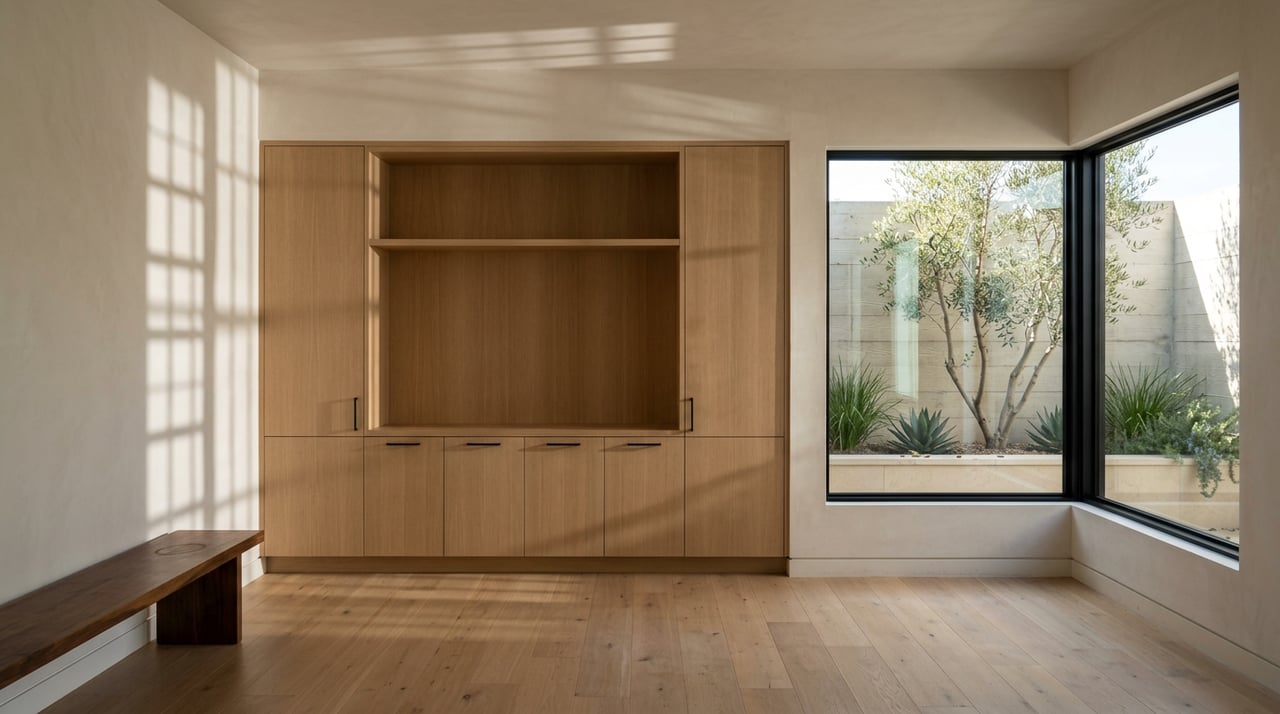
- Horizontality, open plans, and large windows oriented to views.
- Clerestory glazing and elevated living levels that invite light.
- Many remodels borrow mid-century elements; use the term with care. For a broader look at the label today, see this mid-century modern explainer.
For a local design lens, coastal coverage of the Light-and-Space movement helps explain today’s fascination with light and glazing. Explore the idea here: Light-and-Space perspective.
Mediterranean and Spanish forms
- Smooth stucco, red tile roofs, and arched openings.
- Courtyards and more formal entries on larger lots or corner parcels.
Coastal contemporary rebuilds
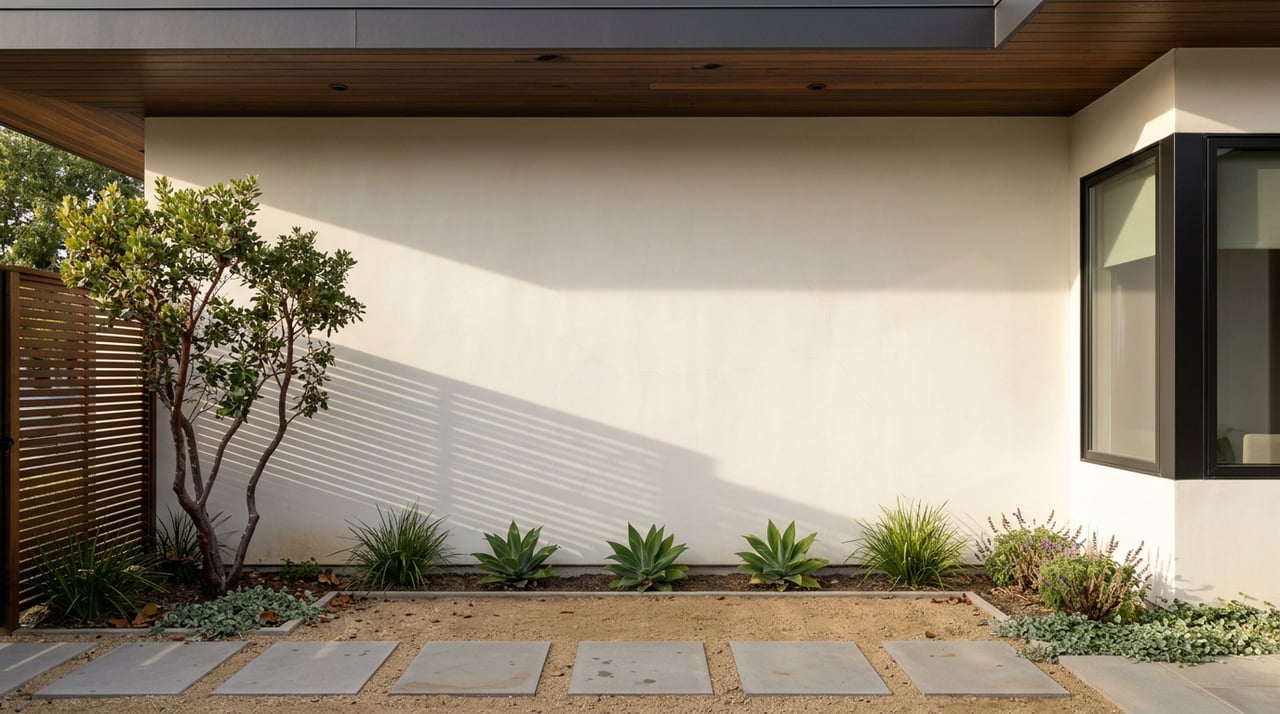
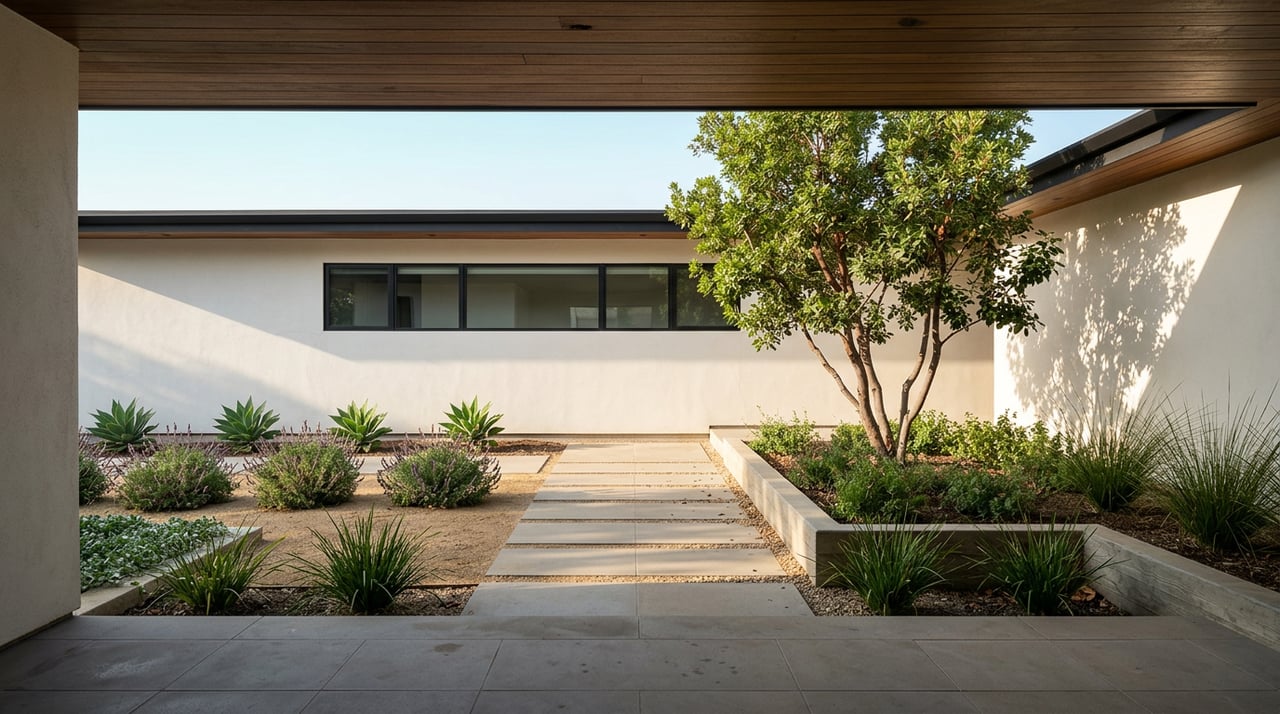
- Crisp, rectilinear massing with floor-to-ceiling glass.
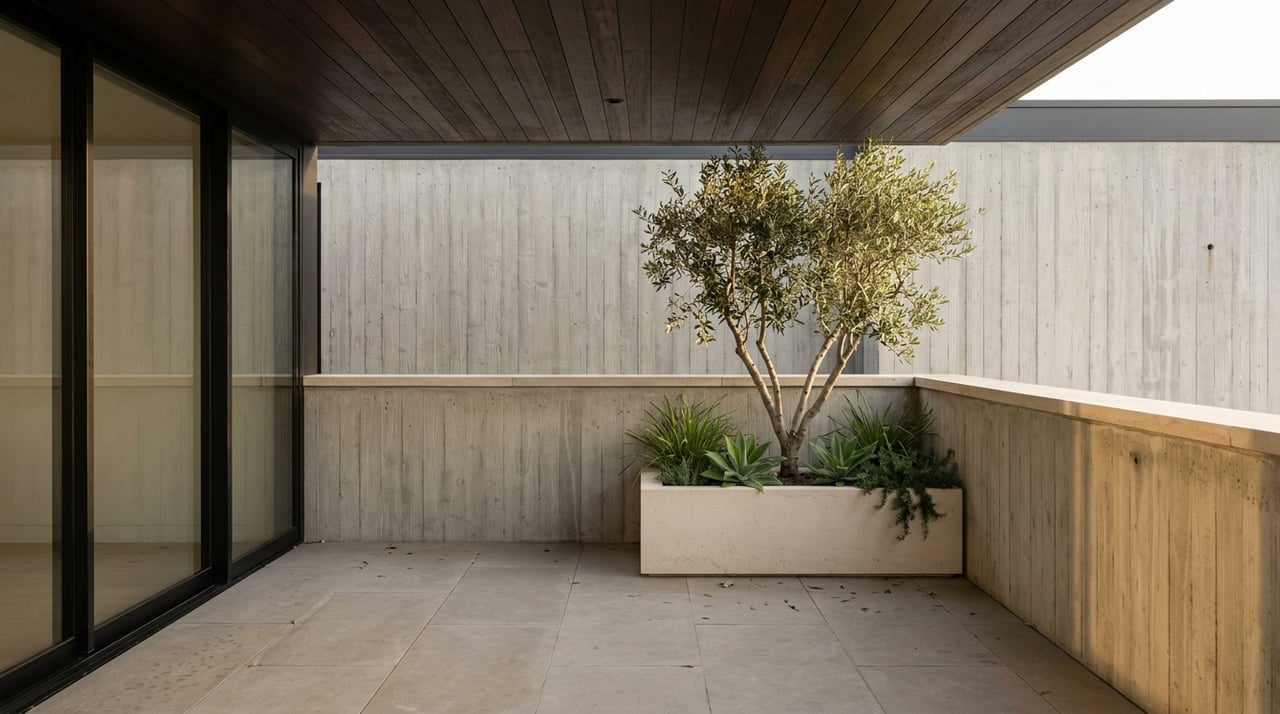
- Folding doors that open to terraces or a California room.
- Roof decks and outdoor kitchens that extend living toward the harbor.
Quick glossary for design terms
- Coastal contemporary: Clean-lined new builds or rebuilds with large glazing, neutral palettes, and view-forward layouts.
- Mid-century modern (MCM): Horizontal lines, simple roof forms, and strong indoor–outdoor connections; in Newport Heights, many homes reference rather than preserve intact MCM fabric.
- Post-war ranch: Single-story or split-level homes with low slopes and street-facing garages.
- California room: A covered, open-air living area that blurs inside and outside. Learn more in this simple California room definition.
- Rooftop deck and sit-down views: Rooftop terraces and rail-height sightlines prized for harbor and ocean outlooks.
Practical tips and map links
- Best light: Golden hour before sunset for warm facades and glass reflections; early morning for a quieter harbor.
- Parking: Use legal street parking near Cliff Drive Park or Castaways Park. Check posted signs.
- Respect privacy: Enjoy architecture from sidewalks and parks only. Do not enter private drives or yards.
- Trail and park info: Confirm hours and facilities on Newport Beach parks listings.
- Boundary map: Keep your bearings with this quick Newport Heights overview.
Photo notes you can use later:
- Cottage gable and porch detail against mature trees.
- A classic ranch facade with a low roof and street-facing garage.
- A glassy coastal contemporary with sliders opened to a terrace.
- A rooftop deck silhouette at sunset on Kings Road.
- A wide harbor vista tying the Heights to Mariners Mile below.
For buyers and sellers: why the Heights
Architecture is the headline here. You see how view corridors, light, and bluff topography have shaped the homes over time. If you are a buyer, this walk helps you identify the features that matter most in the Heights, from sit-down views to indoor–outdoor flow. If you are thinking about selling, it shows how design, orientation, and presentation can elevate your value story.
If you want a guided eye on the best streets, discreet off-market leads, or design-sensitive pricing and prep, connect with bouHAUS. We specialize in architecturally notable coastal homes and bring hands-on, boutique representation to every search and sale.
FAQs
How long is this Newport Heights walk?
- Plan on 0.5 to 1.5 miles and 45 to 90 minutes, depending on your pace and photo stops.
Where can I access public viewpoints in Newport Heights?
- Cliff Drive Park and Castaways Park offer public overlooks listed on the city’s parks pages.
What styles of homes are common in Newport Heights?
- You will see early cottages, post-war ranches, mid-century influenced homes, Mediterranean and Spanish forms, and newer coastal contemporary rebuilds.
What should I look for on sloped bluff lots?
- Expect multi-level layouts with garages set lower, main living on upper levels, and frequent rooftop decks to capture sit-down views.
Is there a map to help me navigate Newport Heights?
- For a quick boundary reference, use the Newport Heights page on Wikipedia and confirm park access on the city’s site.