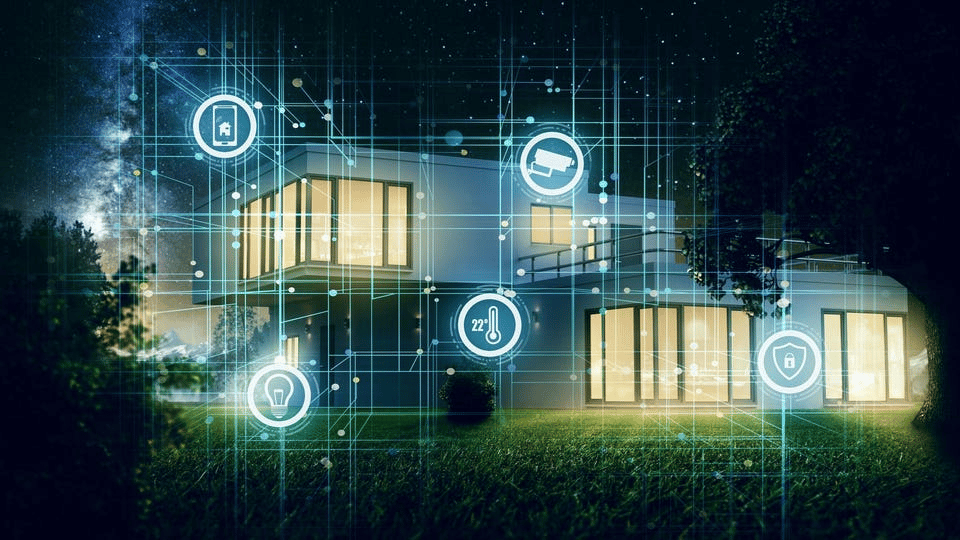
If your smart home still feels more like a smart-ish home, make it your mission to make 2026 the year everything starts running as smoothly as it should.
Between a genuine push by Big Tech to make the smart home less hassle, local control, more intelligent sensors and a flood of new brands doing genuinely interesting things, the modern smart home is no longer just for YAML-nerds moonlighting as IT support workers in their own homes… it’s an intelligent ecosystem that’s super simple to use and can actually think for itself.
It’s easier than ever to take your smart home to the next level, here are some things to put on your list for the new year…
Keep it Local
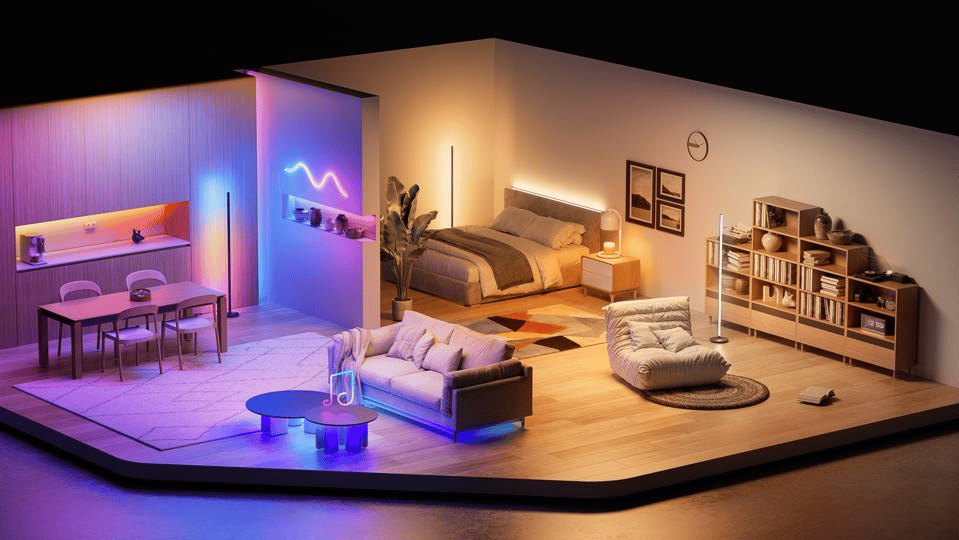
For years, the cloud was the backbone of the smart home… and also its biggest headache. Slow automations, outages, and a general sense that your lights were phoning a friend before turning on didn’t exactly help the early days of the smart home.
In 2026, going local is the single best upgrade you can make. Matter is smoothing out device compatibility slowly but surely, and platforms like Home Assistant and even Apple’s Home app are leaning into local execution.
That means faster routines, better reliability, and fewer privacy compromises. If you’re setting up anything new - lights, switches, sensors - look for devices with the Matter logo on the box and try and choose devices that can run locally. Your future self will thank you every time a routine fires instantly.
Embrace the Zs
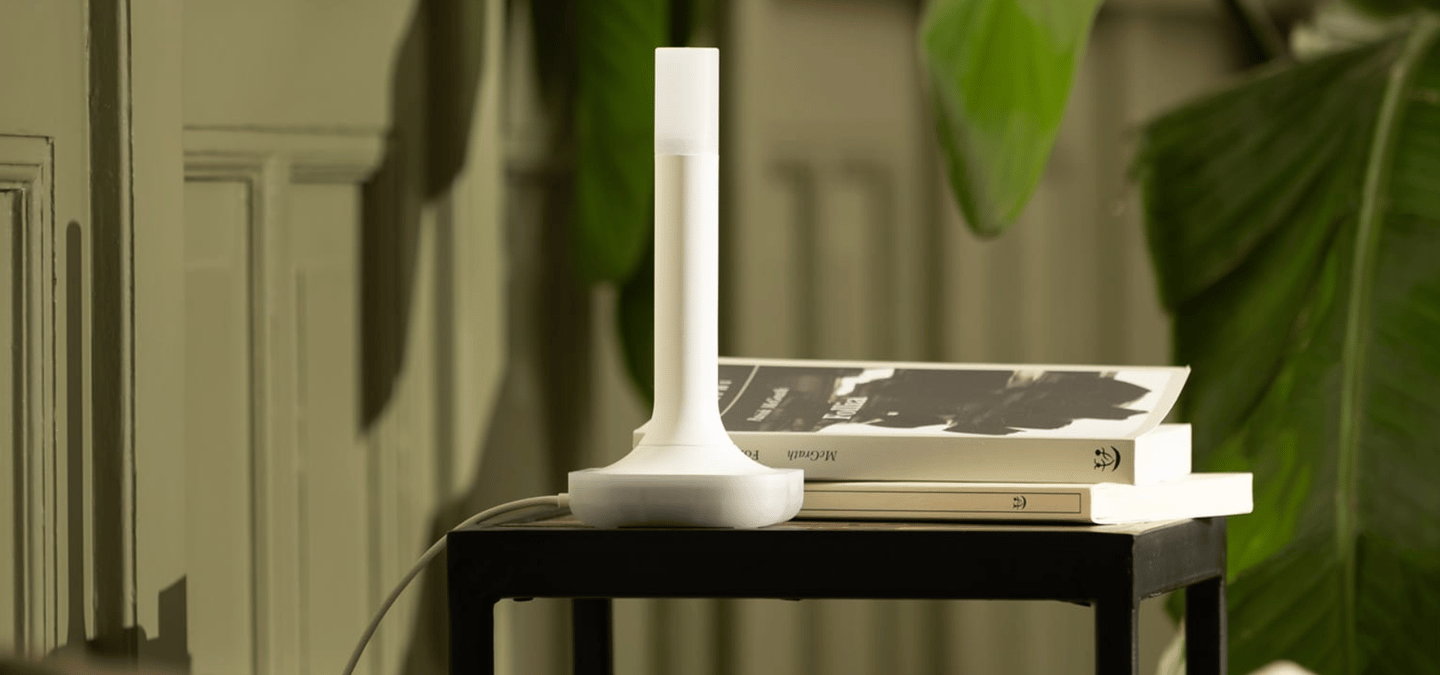
Wi-Fi is exactly what you need for things like cameras and data heavy devices like smart speakers, streaming sticks and anything AI-centric, as these sorts of things require a high-bandwidth, stable connection for optimal performance and real-time data handling.
But if you’ve tried building a whole home around it, you’ll have no doubt experienced overcrowded networks, flaky connections, and devices that randomly ghost you.
Zigbee and Z-Wave, both now more than 20 years old, are still essential ingredients of a stable smart home for 2026.
They create mesh networks that actually get stronger as you add more devices, and they sip power rather than chugging it.
Even with Matter trying to unify everything, the Z-protocols aren’t going anywhere - especially for sensors, switches, and anything that needs to be ultra-reliable.
The good news is, using the likes of SwitchBot, Aqara Homey, SmartThings, Home Assistant and even Amazon Alexa, you can bridge these older standards into a Matter-driven modern smart home.
Look Beyond the Big Names
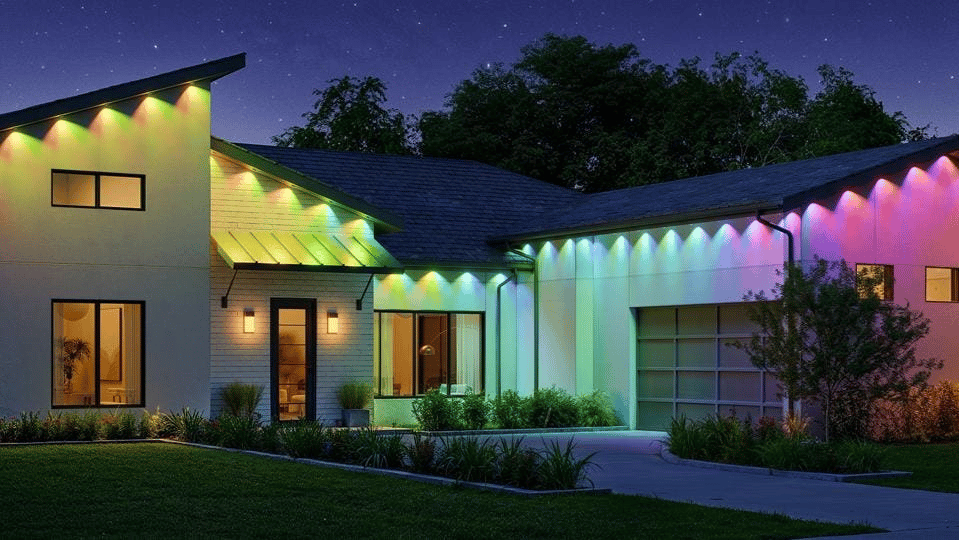
The likes of Philips Hue, Google, Amazon, and Apple still dominate the smart home conversation but plenty of the real innovation is happening elsewhere.
Govee is pumping out affordable lighting with seriously impressive color accuracy that, more often than not, blows its more established, much more expensive, competition out of the water.
Ring, Arlo and Nest were the front runners in the smart security camera and video doorbell markets, but the likes of Eufy and Reolink are aggressively making inroads by focusing on not only brand new features, but avoiding monthly subscription fees too.
On the ecosystem front, Homey is pricey but comprehensive; Home Assistant isn’t just for coders any longer; Aqara continues to drop shockingly good sensors and hubs at a fraction of the big-brand price-points; and SwitchBot has gone from “cute little robot finger brand” to a full-on smart home system that often beats rivals on price and creativity.
Take a look at the likes of Inovelli, Shelly, Meross and Sonoff too. These are brands that can make dumb things in your house smart, without breaking the bank.
Automate Your Life
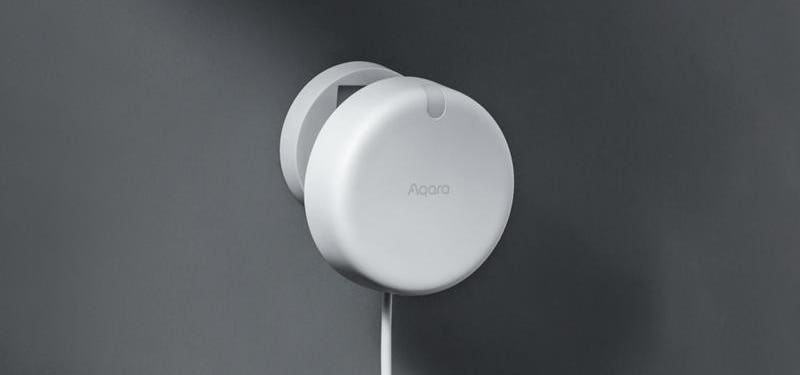
Automation in 2026 should be less about app taps and voice commands, and more about your house already knowing what you want.
mmWave presence sensors - from the likes of the aforementioned Aqara, Meross and SwitchBot - have become secret weapons for ultra-smart automations.
Unlike old PIR motion sensors that trigger once and zone out, mmWave can detect micro-movements, so your lights don’t turn off when you sit still too long, and they can even detect how many people are in the room and where exactly in the room those people are.
That means, once you team them up with your other smart home devices, you’re able to create intuitive actions for climate, lighting, or energy savings, making your home start to feel actually smart.
AI will, of course, play a big part of this too, with more advanced recognition on cameras and the likes of Alexa+ and Gemini For Home making it possible for your home to “learn” what you want.
Upgrade the Backbone
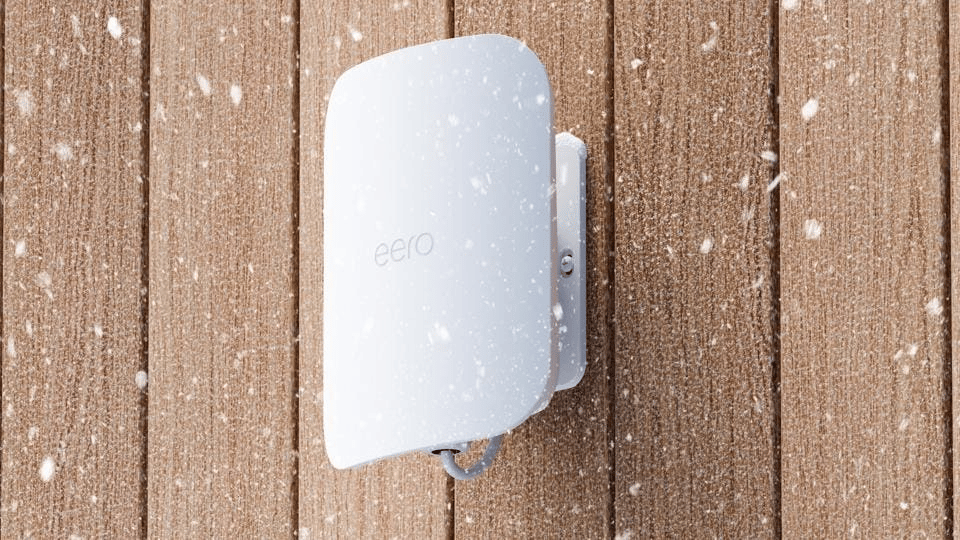
If you’re running Wi-Fi 5 on a router you bought during the Obama administration, don’t expect your modern smart home to be able to keep the pace.
A proper Wi-Fi 6/6E mesh, solid Ethernet backhaul, and a couple of wired backbone devices can transform the responsiveness of your entire system.
If you’re brave enough to dabble with Home Assistant or a more advanced setup, a dedicated mini-PC or NAS will give you the horsepower you need for automation engines, local voice control, and advanced dashboards too.
Rethink your Smart Lighting
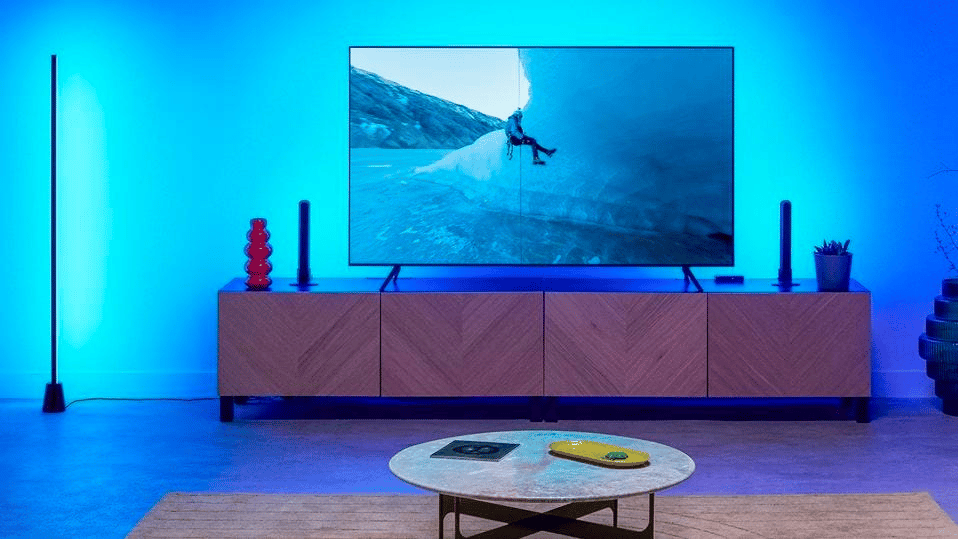
Lighting is still the number-one smart home upgrade, but we’re well beyond screwing in a bulb and impressing your pals by changing its color from an app or a voice command.
There’s no reason that all of the lighting in your house shouldn’t be smart… but that doesn’t mean going out and buying dozens of new bulbs.
The most effective, intuitive, and cost-efficient way to make your entire home’s lighting smart is to move the intelligence from the bulb to the switch or the circuit. Sonoff and Shelly are two of the biggest players in this space and have huge ranges of affordable smart relays, switches and more.
This approach not only controls your existing "dumb" bulbs - be they standard LEDs, halogens, or decorative fixtures - but also ensures that the non-nerds in your house can still use the wall switch as normal, without driving you mad.
Prioritize Privacy

With more devices than ever hanging off your network, security in 2026 can’t be an afterthought.
Use device isolation (guest networks or VLANs if you’re fancy), enable two-factor authentication everywhere, and choose brands that publish actual security policies and avoid those that have major breaches.
As mentioned up top, if a device supports local control, use it. If it forces everything through the cloud, consider whether you really need it.
Building a smart home shouldn’t mean handing your home’s habits to ten different companies.
Think in Ecosystems
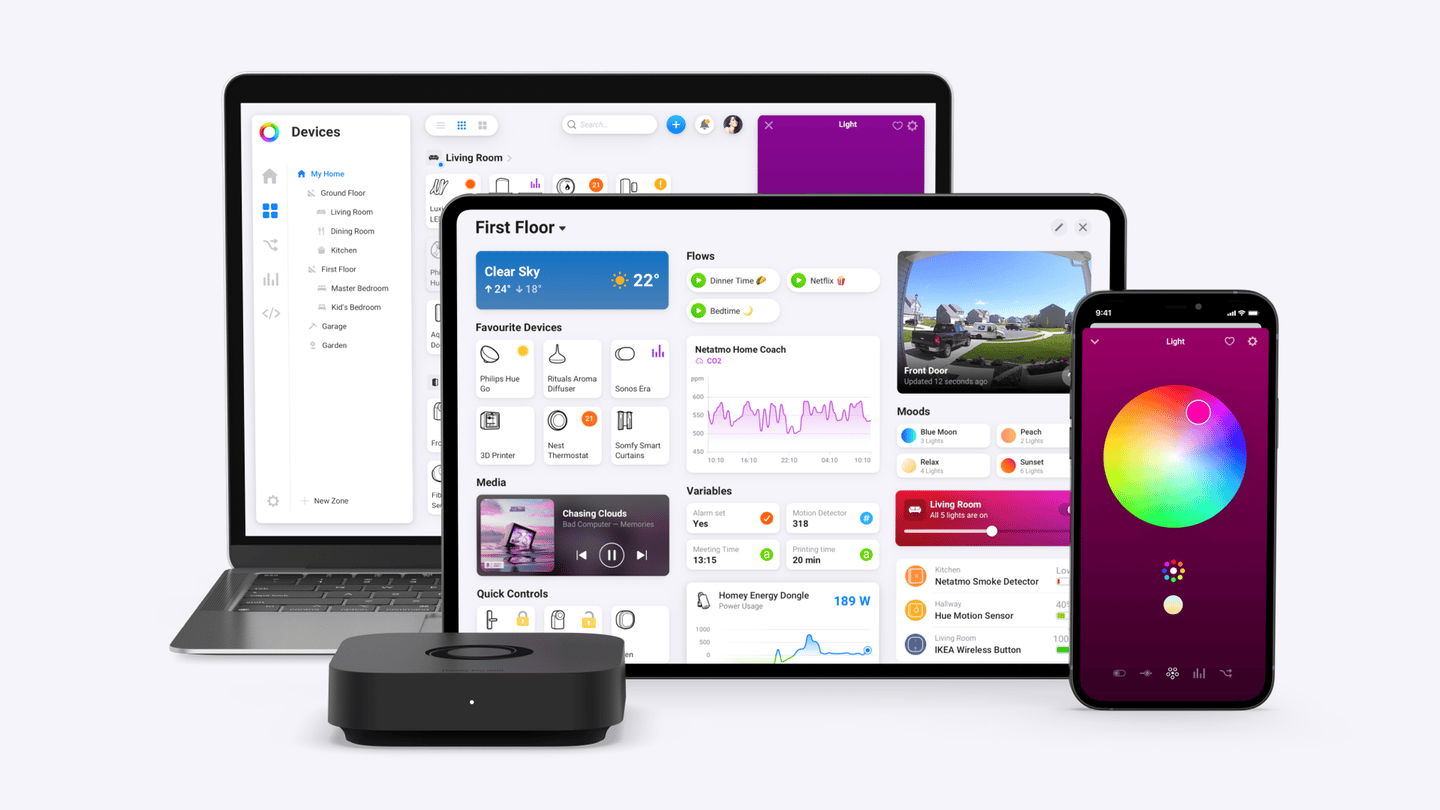
Your 2026 smart home will work best if your devices can all talk to each other without having to jump through hoops.
Home Assistant is the obvious backbone to any good smart home but the likes of SmartThings and Homey are also pretty comprehensive. Apple Home is easily the best of the Big Tech bunch.
But that doesn’t mean you can’t still use Alexa or Google for voice commands. These platforms have fallen a bit behind in the past couple of years but both have been AI-supercharged this year, and are all-set (hopefully) to be much better smart home assistants.
But I’d still suggest having a ‘base’ living behind these, doing the heavy lifting and Matter will make it easier to tie everything together as it continues to evolve.
You want to design your smart home so as it works without you having to manage it. The goal isn’t to have more gadgets. It’s to have a home that gets out of your way so you can get on with your life.
Originally published in Forbes
Text by Paul Lamkin