Trying to choose between a classic Flower Streets cottage and a sleek new build in Corona del Mar? It is a real tradeoff between architecture, lifestyle, maintenance, and long-term coastal risk. If you are torn, you are not alone. In this guide, you will see how cottages and new builds differ in space, feel, upkeep, regulations, and resale. You will also get a clear checklist and next steps so you can move forward with confidence. Let’s dive in.
Corona del Mar overview
Corona del Mar is a seaside village within the City of Newport Beach, known for its compact walkable core, beach access, and mix of older cottages and contemporary new construction. City planning treats it as a distinct coastal village with specific development standards inside the Local Coastal Program. For a quick orientation, see the city’s overview of the community, including beaches and visitor context from Newport Beach’s official site. You can learn more about the village setting in the city’s page on About the community.
Architecture and space
Cottages: scale and layout
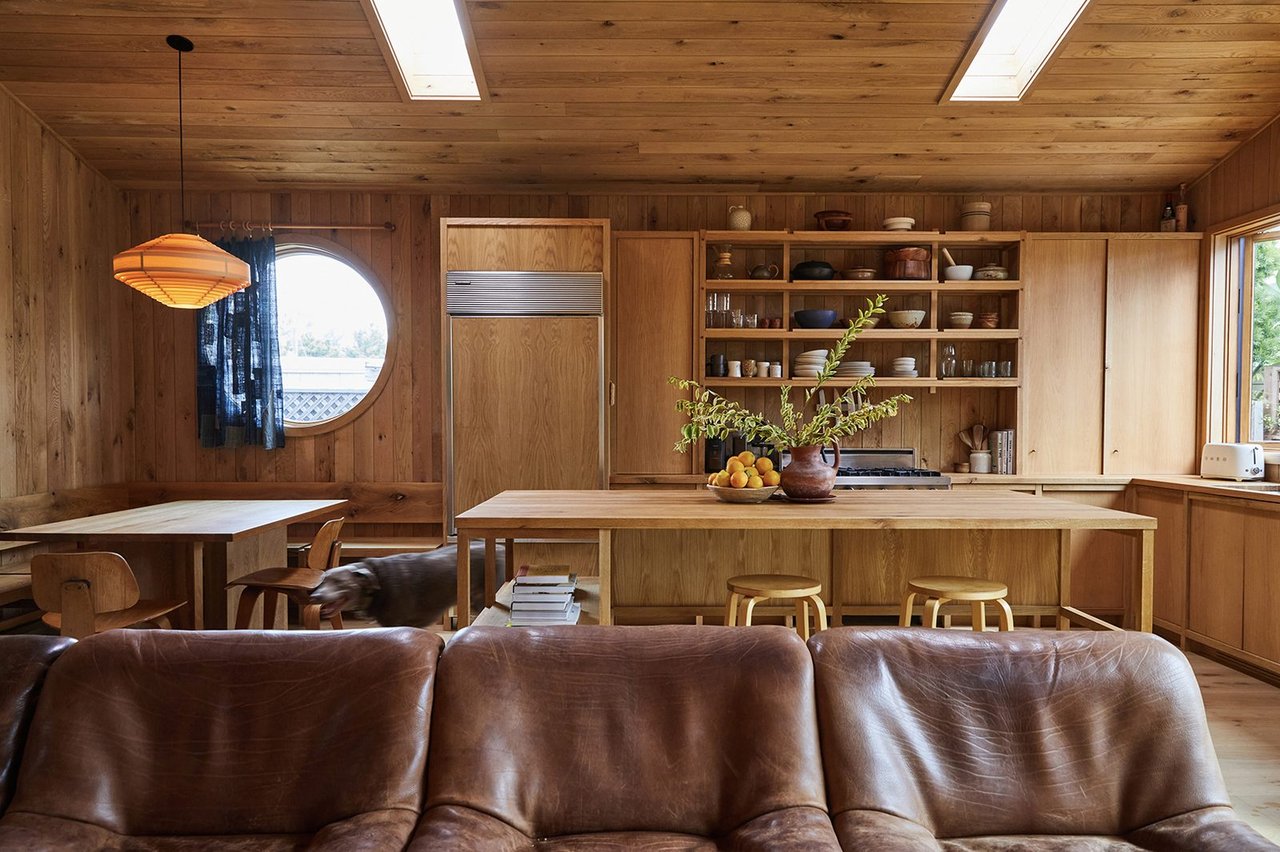
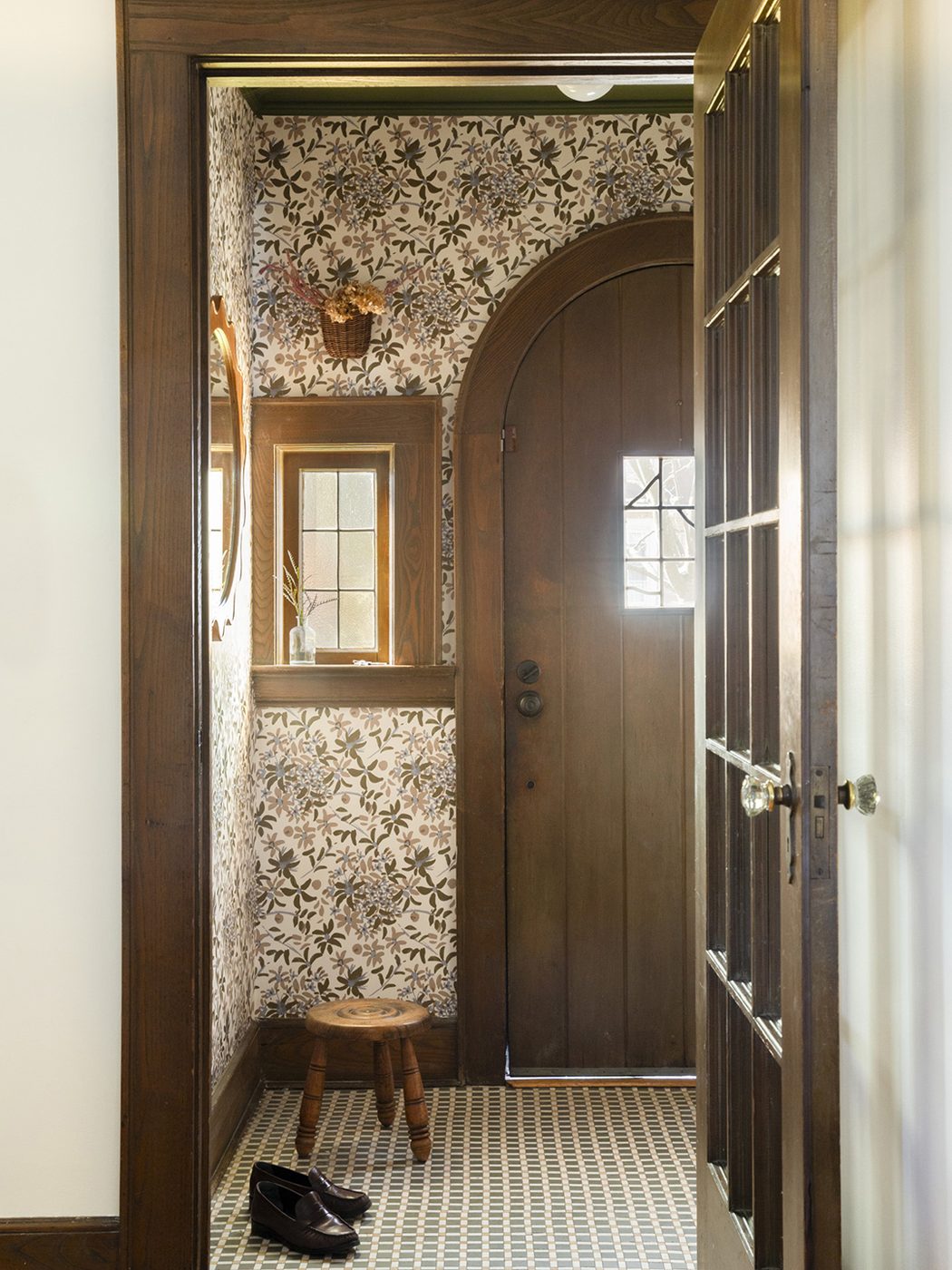
- Many vintage cottages in the Flower Streets are one to one-and-a-half stories, often in bungalow forms with compact floor plans and built-in details. An architectural primer on bungalow design highlights their cozy scale and indoor-outdoor connection. See the overview on bungalow and cottage features.
- Expect modest room sizes, short circulation distances, and a strong front-porch culture. Interiors often feel intimate and grounded at street level.
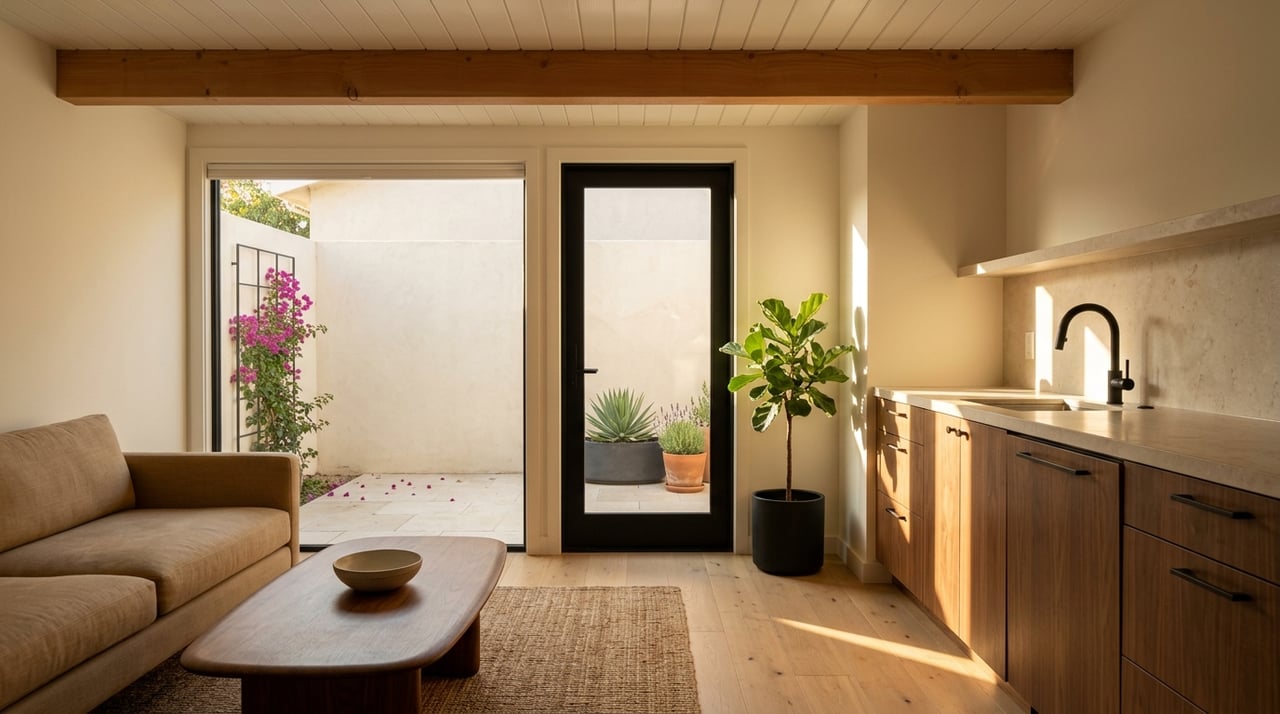
- Ground-level outdoor space is a common strength, from front patios to small backyards.
New builds: space and light
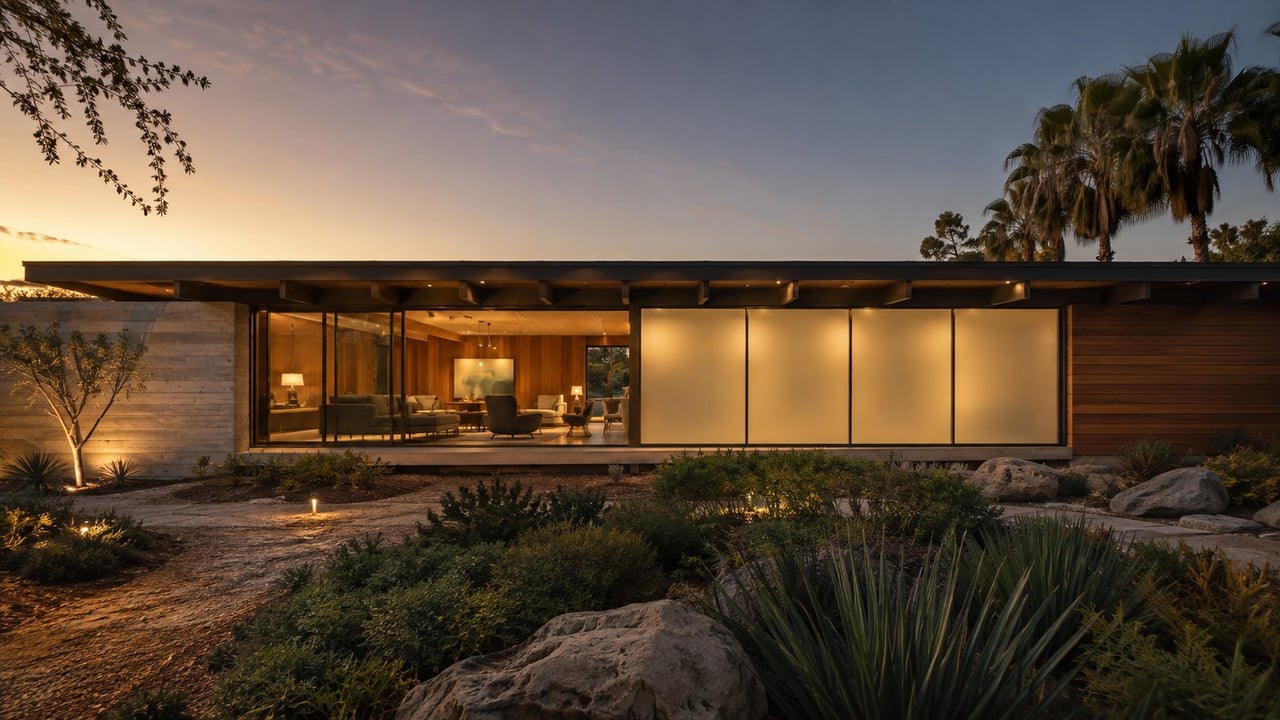
- Newer homes are usually multi-story to maximize interior square footage and views. Open-plan living, larger kitchens, vaulted or higher ceilings, and floor-to-ceiling glass are common.
- Rooftop decks and stacked living areas are typical design moves to capture ocean or city-light views.
- Newer homes often trade some yard space for larger interiors and multiple terraces.
Ceilings, daylight, and feel
- Older cottages often have lower typical ceiling heights in some rooms, which creates a cozy feel that can read smaller.
- New builds commonly use taller or vaulted volumes that increase daylight and sightlines. The result often feels more open and airy.
Outdoor space and parking
- Cottages usually deliver private, ground-level yards and patios, which work well if you value immediate outdoor living.
- New builds may reduce ground-level yard area to add interior space and rooftop decks. Parking is commonly provided in garages tucked at a lower level or alley-facing.
- Lot coverage, setbacks, height, and parking are controlled by local standards. Parts of the village are covered by PC-29, which sets detailed development rules for specific blocks. If you are planning a remodel or rebuild, review the PC-29 planned community text and the city’s Coastal Land Use Plan, Part 2.
Maintenance and systems
What older homes may need
- Electrical: Legacy panels or wiring can show up in older cottages and may limit capacity for modern loads.
- Windows and insulation: Single-pane windows and limited insulation are common in earlier construction.
- Plumbing and drains: Galvanized supply lines or cast-iron waste lines can require upgrades.
- HVAC and roofs: Equipment age and roof condition vary widely. An experienced coastal inspector is essential before you write an offer.
New builds and code compliance
- Newer homes are built to current California structural and energy standards, which lowers near-term replacement risk for systems like electrical, plumbing, and HVAC.
- Expect modern features such as energy-efficient envelopes, updated mechanicals, and EV-readiness, depending on the specific build.
- Always verify specifications with permits and plans, and confirm that final inspections are complete.
Renovate or rebuild?
Your decision comes down to allowable build envelope, cost to upgrade to current standards, comparable values, and permitting complexity in the coastal zone.
- Zoning and CLUP limits: The City’s Coastal Land Use Plan sets height, setback, and view protection standards that shape what you can build. Before you budget for an addition or teardown, confirm the parcel’s exact zoning and CLUP category in CLUP Part 2: Land Use and Development.
- PC-29: Some Corona del Mar blocks fall under planned community rules that further define setbacks, heights, and lot coverage. Review PC-29 for Corona del Mar Homes to see how your site is governed.
- Practical approach: Rather than rely on generic per-square-foot costs, get a local builder estimate and request a preliminary planning check with Newport Beach Planning. Entitlements in the coastal zone can add time and cost.
Coastal rules and permits
Most of Corona del Mar sits inside the coastal zone, which may add steps for remodels and rebuilds.
- Many projects require review under the City’s Local Coastal Program and sometimes a Coastal Development Permit. Certain projects are appealable, and bluff-adjacent work faces stricter review.
- The city’s CLUP emphasizes protecting public views, beach access, coastal bluffs, and visual character. Start with CLUP Part 2: Land Use and Development and CLUP Part 3: Public Access and Recreation.
- Bluff and cove areas are subject to added resource protections. Review CLUP Part 4: Coastal Resource Protection if you are considering a bluff-proximate lot.
Flood, sea-level, and bluff risk
Coastal exposure is part of the long-term picture in Corona del Mar, especially for near-shore or bluff parcels.
- Flood zones: Check a property’s flood designation using FEMA’s Flood Map Service Center. Lenders and insurers rely on these maps for risk and premium decisions.
- Sea-level rise and shoreline retreat: Peer-reviewed research for Southern California indicates ongoing shoreline retreat and the need for adaptation measures over time. Buyers near the coast should account for this exposure when planning improvements. See the overview in the nature.com study on shoreline change.
- Geotechnical review: Bluff or slope lots typically require a geotechnical study. The CLUP requires that new development be sited to avoid reliance on shoreline protective devices for the structure’s expected life. Review CLUP Part 4 for guidance.
Insurance basics to know now
- Standard homeowners insurance does not cover flood. NFIP remains the baseline public flood program, using FEMA flood maps to set terms.
- NFIP limits for single-family dwellings have historically been capped, which means high-value coastal homes commonly need private flood coverage or excess policies to bridge gaps. See the Congressional Research Service summary of NFIP in this CRS overview.
- Insurance markets change quickly. Get quotes for homeowners and flood insurance early in due diligence.
Timeline reality check
- Modest interior remodels: months.
- Structural additions or whole-house remodels: several months to a year.
- Teardown plus custom new build in the coastal zone: commonly 12 to 36 months, depending on complexity and appeals. For planning context, consult CLUP Part 2 and speak with Newport Beach Planning.
How to choose: lifestyle, space, and risk
Ask yourself the key questions below. Your answers will point you to a cottage, a new build, or a specific plan for each.
- Daily living: Do you want more single-level living, fewer stairs, and short distances between spaces? Cottages can fit that pattern. If you need multiple suites, larger open-plan spaces, and office flex zones, a newer multi-level build may serve you better.
- Outdoor space vs views: Do you value a private, ground-level yard more than a rooftop deck with broader sightlines? Cottages often win on ground-level outdoor living. New builds often win on view capture from stacked levels and rooftop decks.
- Systems and budget: Are you ready to update electrical, plumbing, insulation, windows, roof, or HVAC if needed? If not, a newer house with current systems may reduce near-term surprises.
- Parking and storage: Will a tucked or lower-level garage work, or do you need a larger traditional garage footprint? Check local standards for minimum parking and setbacks.
- Permit appetite: If you want to add a second story, ADU, or major expansion, factor in coastal-zone entitlements and possible appeals. Early planning conversations are critical.
- Insurance diligence: Confirm flood zone, ask for any elevation certificate, and get preliminary insurance quotes before you commit.
Quick next steps
- Inspection first: Hire a licensed home inspector experienced with older coastal homes. Ask for a focused review of wiring, plumbing, mechanicals, roof, foundation, and drainage.
- Planning and coastal check: Call Newport Beach Planning to confirm zoning, height and setback limits, and whether your parcel is in a bluff interface or needs a Coastal Development Permit. Start with CLUP Part 2 and CLUP Part 4.
- Flood and insurance: Check FEMA’s map for your address at the Flood Map Service Center. If the site shows flood exposure, price both NFIP and private-market options early.
How bouHAUS helps you decide
You want more than square footage. You want architecture, context, and a plan that respects the village. As a boutique, design‑forward brokerage based in Newport Beach, we help you weigh cottage character against new-build performance with clear, local guidance. We pair deep knowledge of the CLUP and PC-29 with curated on- and off-market options, then map your due diligence so you can buy with confidence. If you are exploring Corona del Mar, let’s talk about your must-haves and the smartest path forward.
Ready to compare specific homes, plan a feasibility check, or discreetly preview pocket listings? Connect with bouHAUS to get started.
FAQs
What is the Flower Streets area in Corona del Mar?
- The Flower Streets refer to the village grid of Corona del Mar where many older cottages sit on compact lots near shops, dining, and beaches, within Newport Beach’s coastal zone as outlined in the city’s About the community page.
Are rooftop decks allowed on new builds in Corona del Mar?
- Rooftop decks are common in newer village homes, but allowance and design are governed by zoning, height, and view-protection standards in the Local Coastal Program. Confirm site-specific rules in CLUP Part 2 and any applicable PC-29 standards.
What permits do I need to add a second story to a cottage?
- You will need standard building permits and, in the coastal zone, you may need a Coastal Development Permit depending on scope and location. Start with CLUP Part 2 and consult Newport Beach Planning for a preliminary review.
How do I check if a Corona del Mar property is in a flood zone?
- Enter the address in FEMA’s Flood Map Service Center to see the current mapped flood zone used by lenders and insurers.
Do I need flood insurance for a home near the beach?
- Standard homeowners insurance does not cover flood. If your lender requires it or your risk tolerance suggests it, review NFIP options and private-market coverage. See the NFIP overview on congress.gov and get quotes early.
How long does a teardown-to-new-build typically take in the coastal zone?
- A full custom new build can take 12 to 36 months in Corona del Mar, depending on design complexity, permits, and any appeals. For planning context, review CLUP Part 2 and consult the City early.