Is the home you love in Newport Heights a classic bungalow, a mid‑century gem, or a sleek contemporary built for the views? In this coastal bluff neighborhood, architecture is a big part of what you are buying or selling. You want the story behind the style, how it was built, and what it means for value, maintenance, and permits. This guide gives you a clear overview of the main styles you will see, how to spot them fast, and what to consider before you make a move. Let’s dive in.
Why Newport Heights architecture stands out
Perched on bluffs above the harbor and near the beaches, Newport Heights offers hillside lots, ocean breezes, and view corridors that shape design choices. Some streets are gently sloped, while others sit atop the bluff with dramatic outlooks. That mix produces everything from early 20th‑century cottages to modern, glass‑forward rebuilds. View potential, lot position, and topography often influence massing, window placement, and materials.
Development arrived in waves. Early decades brought Craftsman and California bungalows. The 1920s and 1930s added Spanish Colonial and Mediterranean Revival. Postwar years introduced mid‑century and ranch homes. Later remodels and infill produced Mediterranean updates and, more recently, luxury contemporary builds on prized view lots. The result is a stylistically diverse neighborhood where design and siting work hand in hand.
Spotting the main styles
Craftsman and California Bungalow
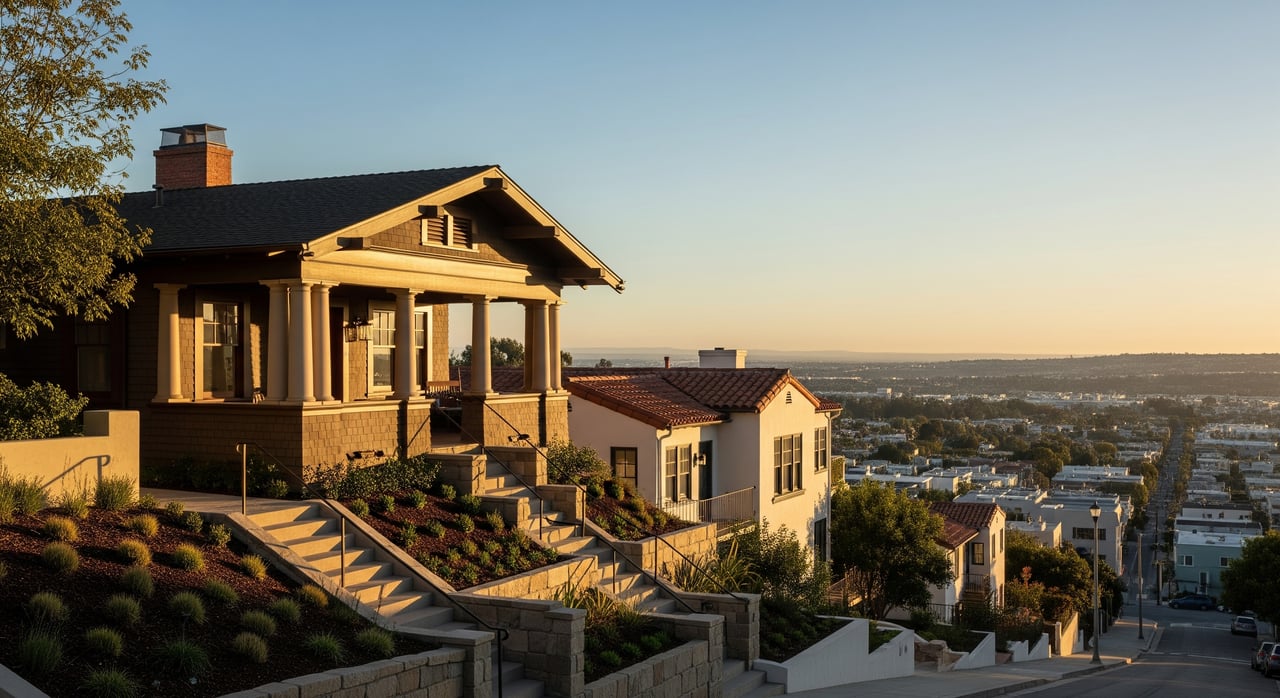
These early 1900s to 1920s homes favor low‑pitched gable roofs, wide eaves with exposed rafters, and tapered porch columns on piers. You will often see wood siding or shingles and one to one‑and‑a‑half stories that sit comfortably on the lot.
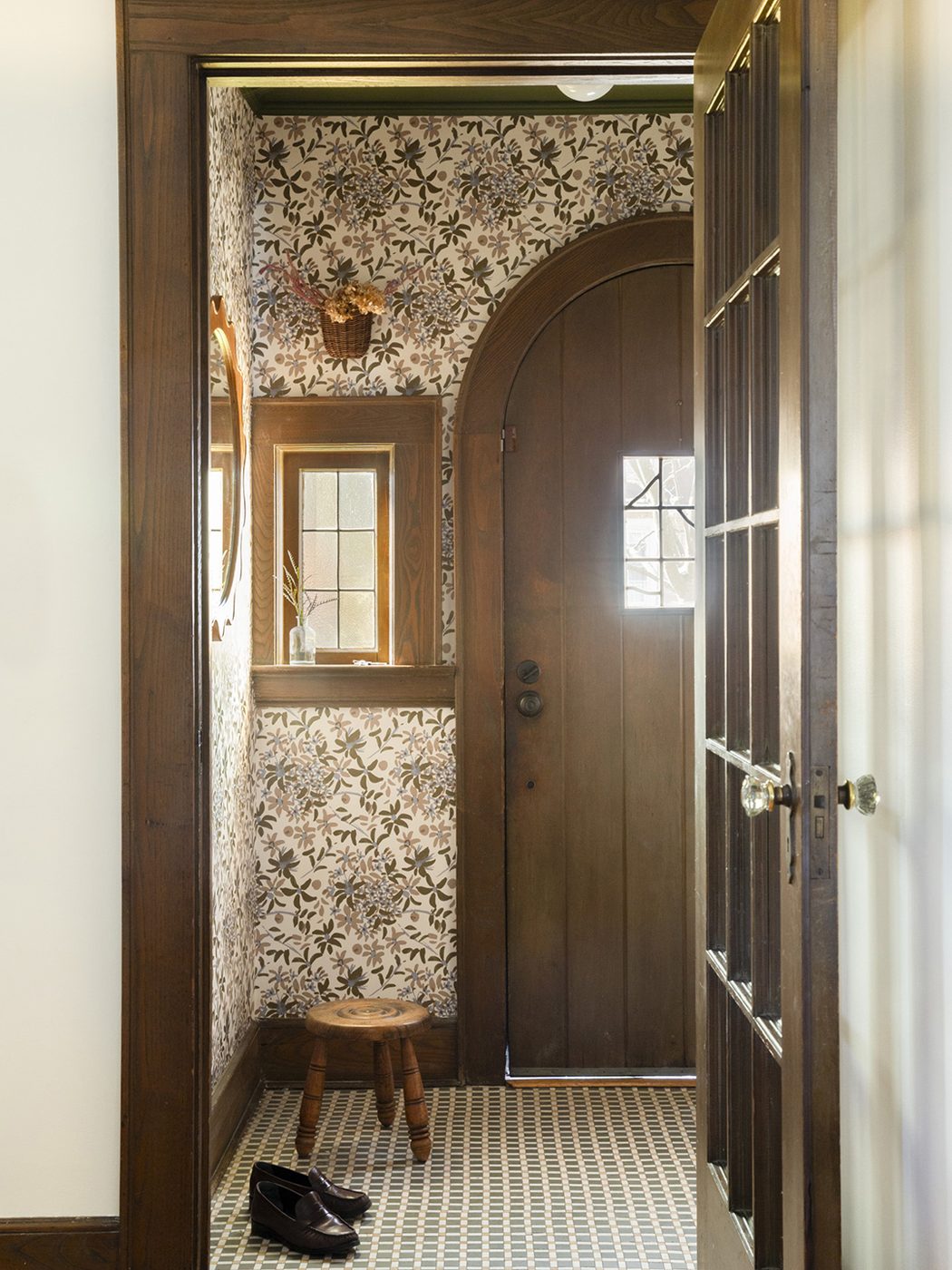
- What to love: Original wood windows, trim, and built‑ins create true charm.
- What to check: Wood‑rot, termites, and seismic upgrades. If a porch was enclosed or a second story added, verify permits and structure.
- Materials: Wood siding or shingles, wood trim, sometimes stucco accents.
Spanish Colonial and Mediterranean Revival
Popular in the 1920s and 1930s, these homes carry stucco walls, red clay tile roofs, and arched openings. Wrought‑iron details and small courtyards or patios are common and sit nicely in the coastal climate.
- What to love: Original decorative tile, arches, and ironwork can be standout features.
- What to check: Flashing, waterproofing, and sealants around tile roofs and stucco transitions. Look for courtyard reconfigurations and garage additions.
- Materials: Stucco, clay tile, decorative tile.
Mid‑Century Modern and Ranch
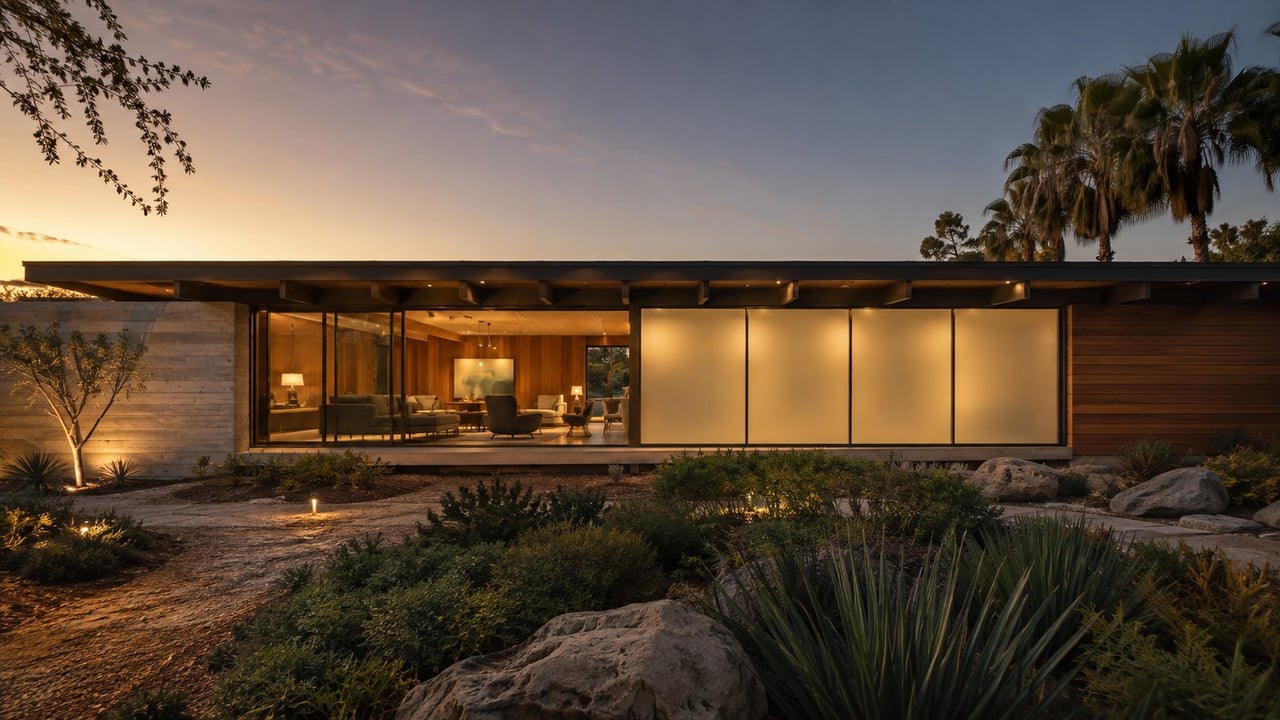
Built from the 1940s to 1960s, these homes emphasize horizontal lines and indoor‑outdoor flow. Expect single‑story or split‑level plans, large panes of glass, and low‑pitched or flat roofs.
- What to love: Clean proportions, open floor plans, and authentic windows or wood details.
- What to check: Sensitive kitchen and bath updates that keep the original rhythm. Verify condition and code compliance of large glass areas.
- Materials: Wood, brick, glass, and sometimes stucco.
Coastal Cottage and Beach House
This vernacular shows up in many eras. Cottages can be modest in footprint with decks or large windows aimed at the view. On steeper lots, you might see raised foundations or pilings.
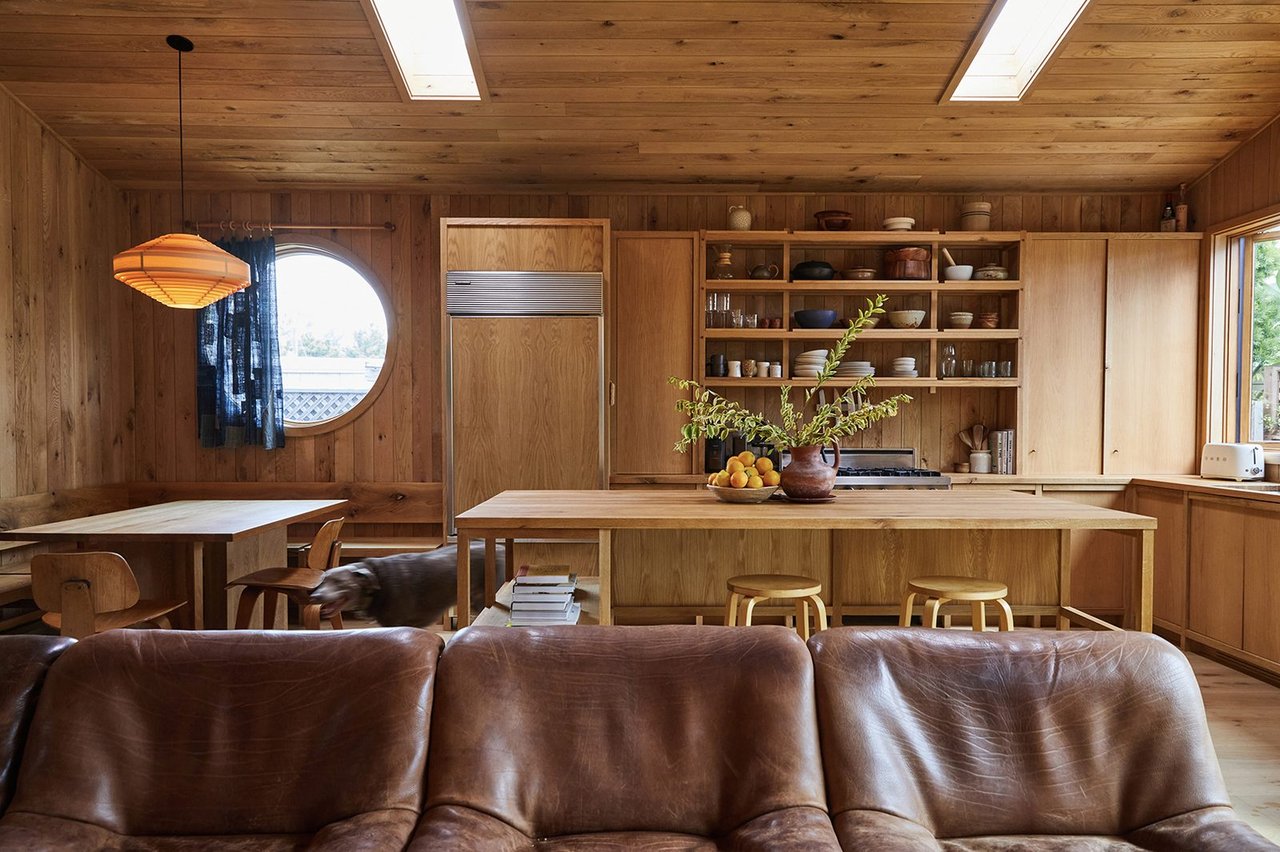
- What to love: View orientation, shiplap or shingle siding, and a relaxed beach feel.
- What to check: Salt air can accelerate corrosion and wood‑rot. Deck waterproofing and flashing matter.
- Materials: Wood shingle or lap siding, composite decks, metal or composition roofing.
Contemporary and Luxe Rebuilds
From the 1990s to today, many teardowns have made way for larger, minimalist homes with expansive glass, clean lines, and indoor‑outdoor living. Rooftop decks often take advantage of the bluff outlooks.
- What to love: Turnkey living, modern systems, and view‑driven design.
- What to check: Coastal and grading permits, retaining walls, and geotechnical work. Confirm permit history for complex hillside builds.
- Materials: Stucco, glass, steel, concrete, engineered wood, and composite cladding.
How style influences value
In Newport Heights, the lot and view often lead value. A small cottage on a prime bluff can be worth more than a larger home on a less strategic site. That said, architecture matters. Authentic details like original windows, trim, and decorative tile help a home stand out and attract design‑minded buyers. Newer contemporary builds deliver the amenities many buyers want today, especially when they maximize view corridors and indoor‑outdoor flow.
If you are selling, highlight the features that define the style. If you are buying, decide whether you value provenance or modern convenience most. Both can be compelling, and each has different maintenance and permitting paths.
Renovate or rebuild: key factors
You will often weigh renovation against a teardown. These are the common drivers:
- Renovate when you have significant historic character, manageable structural work, or when larger new construction would trigger complex coastal permitting.
- Rebuild when the footprint is too small for your needs, structural or geotechnical repairs are extensive, or you want a new plan that optimizes views and modern systems.
- Budget for coastal premiums. Geotechnical studies, bluff stabilization, foundation work, and extended permit timelines can shape cost and schedule.
Permits, coastal zone, and bluff conditions
Parts of Newport Beach fall inside the California Coastal Zone. Projects near the shoreline or on bluffs can require Coastal Development Permits or additional review. Requirements vary by site and scope, so confirm early with the City of Newport Beach and the California Coastal Commission.
Bluff stability matters. Many hillside properties need geotechnical investigations, engineered retaining walls, and careful drainage control. Setbacks, grading, and long‑term maintenance plans are critical for safety and resale. Always verify the permit history with the City’s Building and Safety Division, especially for older homes that may have undocumented changes.
Some blocks may have HOAs or design review. Sellers should disclose CC&Rs. Buyers should review those documents before committing to exterior changes.
Coastal maintenance realities
Marine exposure speeds up wear. Use this quick guide to stay ahead:
- Metal and hardware: Salt air accelerates corrosion. Inspect railings, fasteners, and deck hardware regularly.
- Wood and decks: Watch for rot at trim, fascia, and deck framing. Keep up with paint and waterproofing.
- Stucco and tile: Check for hairline cracks, sealed transitions, and roof flashing integrity.
- Systems: HVAC and exterior fixtures face accelerated aging. Plan for shorter replacement cycles.
- Pests: Termite pressure can be higher in older wood‑framed homes. Keep inspection and treatment records.
Buyer due diligence checklist
Use this checklist to focus your inspections and records search:
- Permit history for additions, conversions, grading, and retaining walls.
- Geotechnical reports for bluff or near‑bluff properties and for major additions.
- Foundation and structure for settlement, cracks, or prior repairs.
- Roof condition and flashing at decks, chimneys, and transitions.
- Exterior materials: stucco cracks or moisture intrusion, wood rot, and termite evidence.
- Windows and glazing: original wood windows versus replacements, and tempered glass where required.
- Mechanical, electrical, and plumbing capacities for modern kitchens, baths, and HVAC.
- Shoreline or bluff permits, stabilization history, and known erosion issues.
- HOA and CC&Rs if applicable.
- Environmental disclosures for flood, seismic, soil conditions, and geological hazards.
Selling strategies by style
Your marketing should fit the architecture and site:
- Craftsman and bungalows: Spotlight original woodwork and porch details. Provide termite and seismic upgrade records.
- Spanish and Mediterranean: Feature arches, tile, and courtyards. Share maintenance records for stucco and clay tile roofing.
- Mid‑century and ranch: Keep lines clean. Stage with low, horizontal furnishings and emphasize indoor‑outdoor flow.
- Coastal cottages: Lead with view orientation, decks, and relaxed finishes. Show maintenance history related to salt exposure.
- Contemporary rebuilds: Focus on systems, glass walls, energy efficiency, and permit history for grading and retaining walls.
How to shop by style
If you know the look you want, use these tips to refine your search:
- Identify must‑have elements. Is it original casework, a flat roofline, or a glass wall that pockets to the deck?
- Decide on your tolerance for projects. Preserving authenticity can be rewarding, but you may balance that with modern upgrades.
- Prioritize site and view. Architecture can be modified. Lot position is fixed.
Next steps
Whether you are drawn to a shingled cottage with harbor peeks or a glassy, view‑driven contemporary, local expertise matters. You will navigate coastal permits, bluff considerations, and style‑specific maintenance as part of the value equation. If you want design‑sensitive guidance and curated on or off‑market options in Newport Heights, connect with the team at bouHAUS. We help you buy or sell with confidence, clarity, and a plan that respects the architecture.
FAQs
Which architectural styles are most common in Newport Heights?
- You will see Craftsman and bungalows, Spanish and Mediterranean Revival, mid‑century and ranch, coastal cottages, and contemporary rebuilds across different streets and elevations.
What permits do I need for a bluff or near‑coast project in Newport Heights?
- Projects near the shoreline or on bluffs may require Coastal Development Permits and additional city review, depending on proximity and scope, so verify early with local authorities.
How do I know if a property needs a geotechnical report in Newport Heights?
- If the home sits on or near a bluff, or if you plan major additions, expect a geotechnical investigation and engineered solutions for slope stability and drainage.
Are coastal homes in Newport Heights higher maintenance?
- Yes, salt‑laden air accelerates corrosion, paint failure, and wood‑rot, so plan for more frequent inspections, waterproofing, and hardware replacements.
Does an older or historic‑style home affect financing or insurance?
- Not by style alone, but unpermitted work, seismic or foundation issues, or known geological hazards can impact underwriting, so get thorough inspections and records.
What matters more in Newport Heights pricing, style or site?
- Site usually leads value. View corridors and lot position often outweigh square footage or style, though authentic details or new construction can boost appeal.