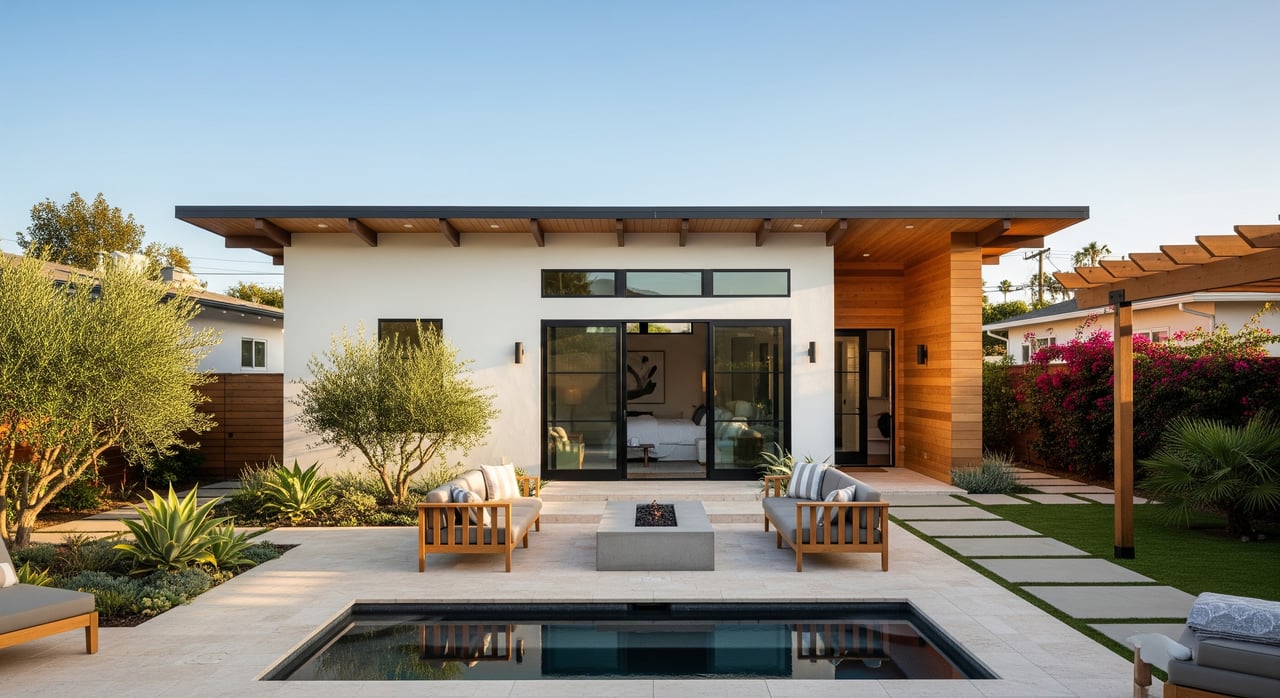
Thinking about adding an ADU to your Mesa Verde property? You are not alone. Homeowners in 92626 are exploring ADUs for rental income, family flexibility, and long-term value. The good news is California law strongly supports ADUs, and Costa Mesa offers a clear, ministerial path when you meet the rules. In this guide, you will learn what you can build, realistic costs, timelines, and how to frame ROI for a Costa Mesa lot. Let’s dive in.
What is an ADU in Mesa Verde?
An accessory dwelling unit is a separate, smaller home on the same lot as your primary residence. It can be detached, attached, or created by converting existing space like a garage. A junior ADU is an even smaller unit within the existing home, typically up to about 500 square feet.
State rules require cities to allow ADUs under objective standards and to review them ministerially when you meet the code. Costa Mesa applies its local zoning, design, and utility standards within that statewide framework.
What you can build: size, parking, occupancy
Size limits
- California law allows ADUs and JADUs across most single-family lots. Detached ADUs can often be up to 1,200 square feet, subject to local limits and lot constraints.
- Junior ADUs are typically limited to about 500 square feet and are created within the existing home.
- Local standards in Costa Mesa may set specific maximums, heights, and lot coverage rules. Confirm with Planning before you design.
Parking rules
- State law limits parking requirements for ADUs. Many projects do not need new parking, especially if you are within a half-mile of transit or converting existing space.
- If parking is required, cities must apply reasonable, objective standards. Always check your site’s specific conditions.
Owner-occupancy
- Recent statewide changes reduced many owner-occupancy requirements for new ADUs. Rules can change, so verify current Costa Mesa policy when you apply.
Setbacks, height and design
- Many California cities allow reduced side and rear setbacks for detached ADUs, often around 4 feet, but exact numbers vary.
- Expect objective design standards so the ADU is compatible with the neighborhood. Two-story options may be allowed depending on height limits and lot coverage.
Permits and timeline in Costa Mesa
Step-by-step process
- Preliminary feasibility
- Verify zoning, easements, setbacks, and any HOA or CC&R limits.
- Confirm utility access and whether your project will be detached, attached, a conversion, or a JADU.
- Pre-application consult
- Meet with a Costa Mesa planner to identify standards and any site constraints.
- Design and plans
- Hire an architect or use pre-approved ADU plans if available. Prepare site, floor, elevation, and systems drawings as needed.
- Submit for permits
- Your project is reviewed ministerially for objective standards. You will pull building, electrical, plumbing, and mechanical permits.
- Construction and inspections
- Inspections occur at typical milestones: foundation, framing, utilities, and final.
- Final occupancy
- After final inspection, you receive permission to occupy. Update insurance and notify the assessor if needed.
Typical timing
- Pre-application and design: 2 to 8 weeks.
- Plan check and permit: 4 to 12+ weeks, depending on completeness and city volume.
- Construction: 3 to 9+ months, depending on size, complexity, and contractor availability.
Fees and utilities
- Plan check and permit fees apply. Impact and connection fees are often proportional to size, with reduced fees for some smaller or conversion projects.
- Utility tie-ins or service upgrades can be significant if off-site work is required. Get early estimates from local providers.
ADU costs in 92626: realistic ranges
Costs vary by scope, finishes, and site. Use these ranges as planning tools, then verify with multiple bids.
| ADU type | Typical size | Market-based estimate |
|---|---|---|
| Garage or interior conversion | 200–700 sq ft | $60,000 – $200,000 |
| New detached ADU | 400–1,200 sq ft | $150,000 – $400,000+ |
| Larger, high-spec or complex site | 700–1,200 sq ft | $350,000 – $700,000+ |
Per-square-foot guidance in Southern California often falls roughly in the $250 to $500+ range, higher for premium finishes or complex sites.
What drives cost in Mesa Verde
- Site work and utilities: Sewer laterals, water connections, and service upgrades can add tens of thousands, especially if street work is needed.
- Structure and finishes: Two stories, high-end windows, and designer kitchens push budgets higher.
- Professional services and fees: Design, engineering, permits, impact fees, and inspections add meaningful soft costs.
- Contingency and timeline: Plan for 10 to 20 percent contingency and factor carrying costs during construction.
Tip: Get at least two licensed contractor bids and one architect or designer estimate. Ask for itemized scopes and a clear timeline.
ROI in Mesa Verde: income, payback and value
Estimating rent in 92626
- Use local listings and property managers to benchmark rents for studios, one-bedrooms, or two-bedrooms. Aim for conservative comps that match your unit’s size and finish.
- Demand is supported by proximity to major job centers in South Coast Metro, Newport Beach, and Irvine. Verify current rents before you finalize scope.
Simple ROI math you can run
- Gross rental yield = Annual rent divided by total project cost.
- Net operating income = Annual rent minus operating expenses like insurance, maintenance, utilities you pay, management, and a vacancy allowance.
- Payback period = Total cost divided by annual net income.
Example scenario
- Total project cost: $300,000
- Rent: $2,200 per month, or $26,400 per year
- Operating expenses: about $6,000 per year, including vacancy allowance
- Net operating income: roughly $20,400
- Cap rate on cost: about 6.8 percent
If you finance, cash-on-cash return depends on your down payment, interest rate, and loan terms. Leverage can improve or reduce returns based on financing costs.
Property value and taxes
- A well-executed ADU can improve marketability and overall value, but value uplift is not always equal to build cost. Local sales with ADUs provide the best proof.
- Under California rules, new construction typically triggers a partial reassessment for the ADU portion. Expect a modest increase in property taxes relative to the added value.
Risks and local checks to address early
Common pitfalls
- HOA or CC&R limits can restrict ADUs even when the city allows them.
- Short-term rental rules may limit or prohibit nightly rentals; check Costa Mesa and HOA policies before you plan for that use.
- Site surprises like soil issues, trees, or unknown utilities can add cost.
- Incomplete plans or missed submittals can slow permits.
Quick feasibility checklist
- Confirm your zoning allows the ADU type you want.
- Check HOA or CC&R restrictions in writing.
- Order a survey or verify setbacks and easements.
- Map utilities and discuss meter plans with your designer.
- Schedule a pre-application conversation with Costa Mesa Planning.
- Pull conservative rent comps for your target size and finish.
- Collect at least two licensed contractor bids and a designer estimate.
- Call your insurer and, if applicable, your lender to confirm requirements.
Financing paths to consider
- Cash or savings for simplicity and speed.
- Home equity loan or HELOC for lower closing costs and flexibility.
- Construction-to-permanent loans tailored to ADUs.
- FHA 203(k) or other renovation loans for certain attached or conversion scopes.
- Refinance with cash-out to wrap ADU costs into a new mortgage.
- Monitor state or local incentive programs that may offset costs.
Glossary
- ADU: Accessory dwelling unit on the same lot as a primary home.
- JADU: Junior ADU, usually up to about 500 square feet within the existing home.
- Ministerial approval: A non-discretionary review when you meet objective standards.
- Impact fees: City or district fees to offset public infrastructure impacts of new housing.
Ready to explore your ADU?
If you want a grounded view of what an ADU could mean for your Mesa Verde property, we can help you frame costs, potential rent, and resale value, then connect you with local pros. For a design-minded, neighborhood-specific take that fits your goals, reach out to bouHAUS.
FAQs
Can I build an ADU on my Mesa Verde lot?
- Most single-family parcels can add an ADU under state law, but you should verify zoning, setbacks, and any HOA or CC&Rs with Costa Mesa Planning before you proceed.
How big can my ADU be in Costa Mesa?
- Detached ADUs can often be up to 1,200 square feet under state law, though local standards and lot constraints may set smaller caps, heights, or coverage limits.
Do I need to live on site to rent the ADU?
- State changes have limited many owner-occupancy rules for new ADUs, but you should confirm the current requirement with Costa Mesa at the time of application.
How long does an ADU take from start to finish?
- Many projects run several months to a year, with 2–8 weeks for design, 4–12+ weeks for permits, and 3–9+ months for construction depending on complexity.
What will an ADU cost in 92626?
- Conversions often range from about $60,000 to $200,000, while new detached builds commonly run $150,000 to $400,000+, with complex or high-spec projects at $350,000 to $700,000+.
Will my property taxes go up after building an ADU?
- New construction typically triggers a partial reassessment for the ADU’s added value, which can increase taxes modestly; consult the county assessor for details.
Can I use my ADU as a short-term rental in Costa Mesa?
- Possibly, but city rules and HOA policies may restrict or prohibit short-term rentals; confirm regulations before relying on nightly rental income.
What financing is common for ADUs in Orange County?
- Owners often use cash, HELOCs, construction loans, renovation loans, or cash-out refinances; compare terms and timelines to match your project plan.