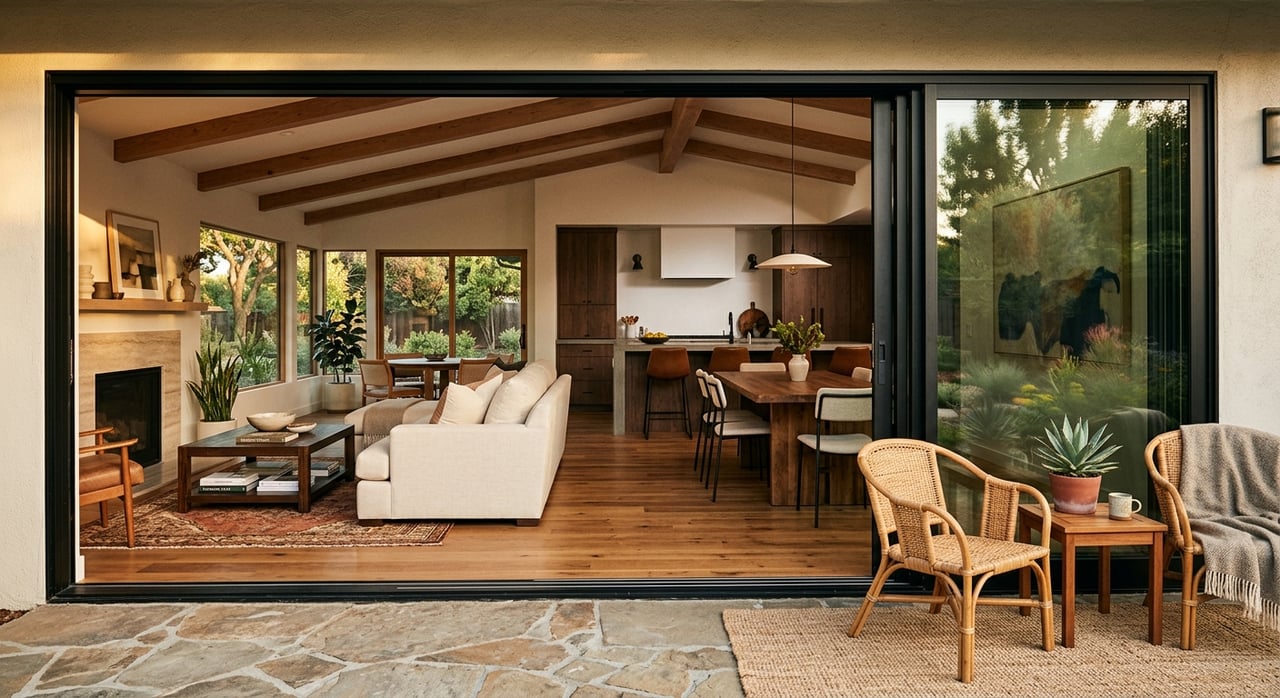
When a remodeled Mesa Verde ranch hits the market, “updated” is not enough. In a neighborhood shaped by late-1950s architecture and trading at a premium within 92626, buyers tend to notice whether a home still reads like a true ranch or feels stripped of its character. If you want your listing to stand out, you need a presentation strategy that highlights both the renovation and the original design logic. Let’s dive in.
Why Mesa Verde architecture matters
Mesa Verde’s identity is closely tied to Costa Mesa’s postwar growth period. Local history places the neighborhood’s development squarely in the late 1950s, with Mesa Verde Park dedicated in 1959 and Mesa Verde Country Club opening in early 1959. That timing matters because it explains why so many homes in the area carry the scale, proportions, and indoor-outdoor thinking of the ranch era.
That architectural context should shape how you position a remodeled home. Instead of marketing it as a generic renovated property, it is often more effective to frame it as a classic Mesa Verde ranch thoughtfully updated for modern living. That language respects the home’s provenance while making the improvements clear to buyers.
Why presentation matters in Mesa Verde
Mesa Verde is not just another pocket of 92626. In March 2026, Redfin reported a median sale price of $2,149,000 in Mesa Verde, compared with $1,506,250 across the broader 92626 zip code. Homes in Mesa Verde were also moving in about 28 days, compared with about 33 days in the larger zip code.
That premium and pace create a simple takeaway. When buyers are paying close attention, vague phrases like “beautifully updated” or “move-in ready” do less work. Clear, specific presentation helps buyers understand why this house belongs in Mesa Verde and why the remodel adds value.
Lead with the ranch story
A strong Mesa Verde listing starts with the home’s architectural identity. Ranch homes are typically single-story, with low-pitched rooflines, wide eaves, simple open plans, and strong connections to patios, courtyards, or rear yards. In this setting, those are not side notes. They are part of the value story.
If the remodel preserved the low horizontal profile, the original sense of openness, or the connection between interior rooms and outdoor space, say so directly. Buyers looking at ranch homes are often asking whether the renovation improved daily living without erasing what made the house worth noticing in the first place.
Original details worth spotlighting
The most important original details are often the ones that communicate proportion, light, and flow. In Mesa Verde, that can include:
- Low, horizontal rooflines and wide eaves
- Large windows, picture windows, and glass doors
- Single-level living
- Simple, open room planning
- Patios, courtyards, and usable rear-yard space
- Attached garages or carports that fit the home’s original style
These details help the home feel period-correct and visually coherent. They also support the casual indoor-outdoor living that ranch design was built around.
Preservation is part of the value
If original materials or defining design elements remain, treat them as assets. The goal is not to make the house sound old. The goal is to show that the remodel respected the home’s proportions, light, and circulation while making it more functional for today.
Costa Mesa’s historic preservation framework also reinforces the value of complementary design. That does not mean every remodeled ranch is historic, but it does support the idea that architectural character is worth preserving and presenting with intention.
Describe the remodel with precision
The best listing language is concrete and easy to verify. Buyers respond better when they can picture what changed and understand how those changes improved the home.
Useful framing often includes details like:
- Widened kitchen and living connection
- Improved flow to the patio or yard
- Upgraded baths
- Improved natural light
- Refreshed landscaping
- New systems, when documented
- Preserved roofline and single-level layout
This kind of wording does more than sound polished. It helps buyers connect the remodel to the way the house lives.
Avoid broad claims that create doubt
Older remodeled homes need careful wording. California’s Transfer Disclosure Statement is meant to describe a property’s condition, not guarantee it, so your marketing should stay closely aligned with what the seller can document.
That means avoiding unsupported phrases like “new throughout,” “fully permitted,” “all-new systems,” or “recently re-plumbed” unless records back them up. In a design-aware neighborhood like Mesa Verde, overstatement can weaken trust instead of building it.
Documentation strengthens credibility
If work was permitted and documented, that is worth noting clearly. If it was not, do not imply otherwise. Buyers comparing remodeled ranch homes are often weighing the design quality of the update alongside the confidence that comes from disclosures, receipts, inspections, and permit history.
For homes built before 1978, required lead-based paint disclosures also matter. Practical, accurate communication is part of presenting the home well.
Show how the house lives
A remodeled ranch should be marketed as a complete experience, not a set of isolated finishes. Buyers want to know whether the kitchen, living areas, and outdoor spaces relate to each other in a way that still feels natural to the home’s original design.
That is why flow matters so much in Mesa Verde. A smart remodel should make the public rooms feel more connected while preserving clear transitions to private areas and outdoor living space.
Focus on indoor-outdoor connection
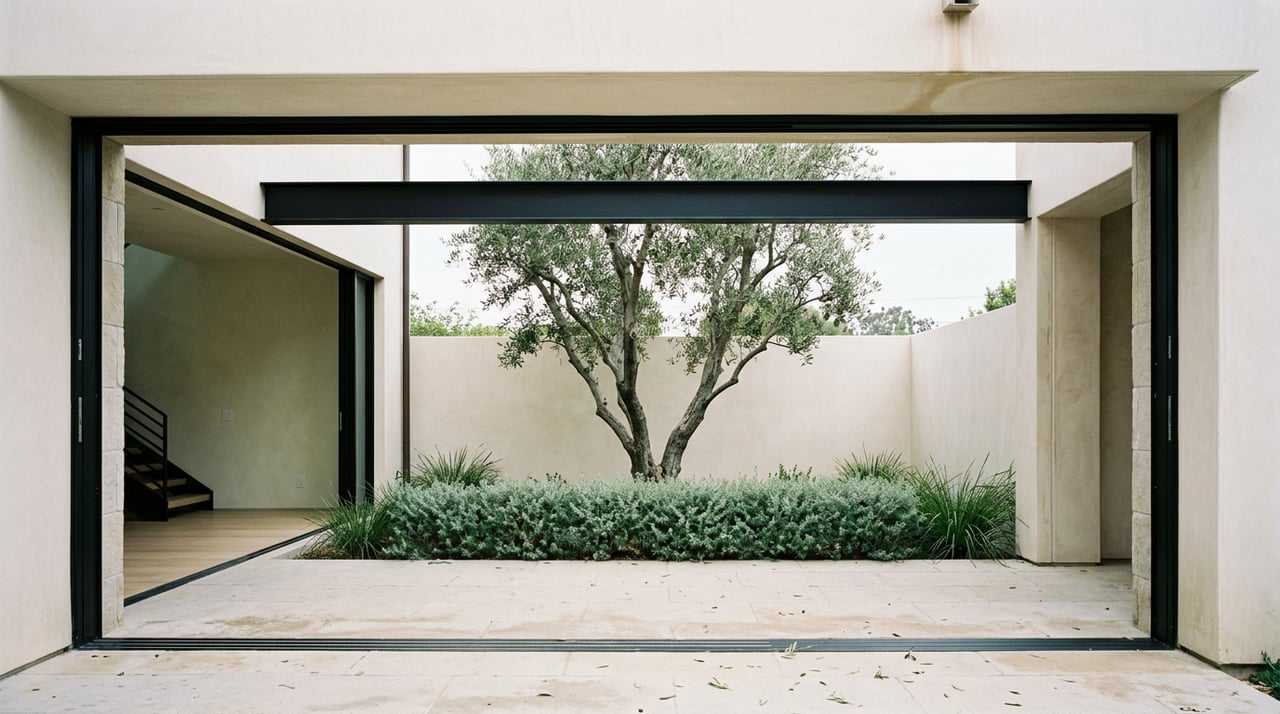
One of the defining strengths of ranch design is its relationship to the yard. Large glass openings, patios, and courtyards are not extras. They are central to how the home feels and functions.
When you market a remodeled Mesa Verde ranch, make that connection legible. Show how the living room opens to the patio, how sightlines carry to the garden, and how the yard works as an extension of the interior. Buyers should be able to see that the house lives beyond its walls.
Put outdoor space in context
Outdoor presentation carries even more weight here because the surrounding area reinforces that lifestyle. Fairview Park offers 208 acres and 7 miles of trails, and the Costa Mesa Country Club includes two 18-hole municipal golf courses. Mesa Verde Park and Tanager Park also add to the outdoor context nearby.
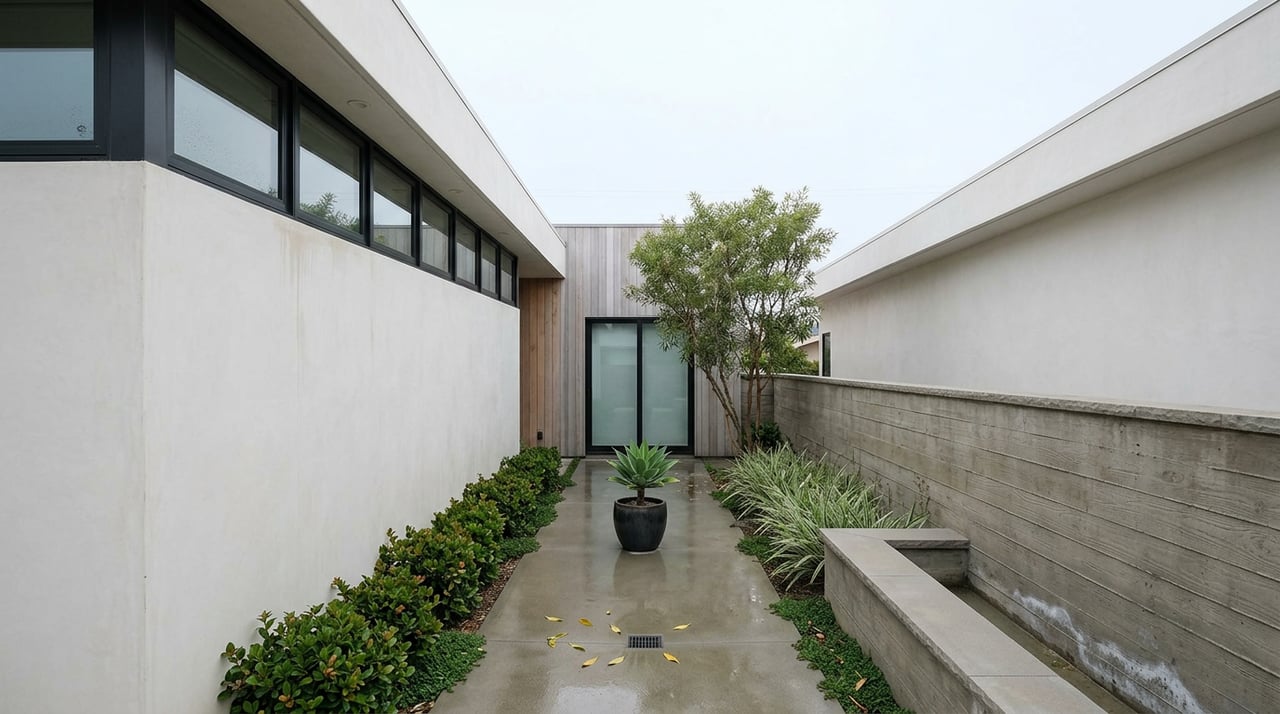
That does not mean every listing should lean on lifestyle buzzwords. It means patios, garden edges, shade, and usable yard zones deserve real attention because they align with both the architecture and the broader setting.
Use photography that proves the story
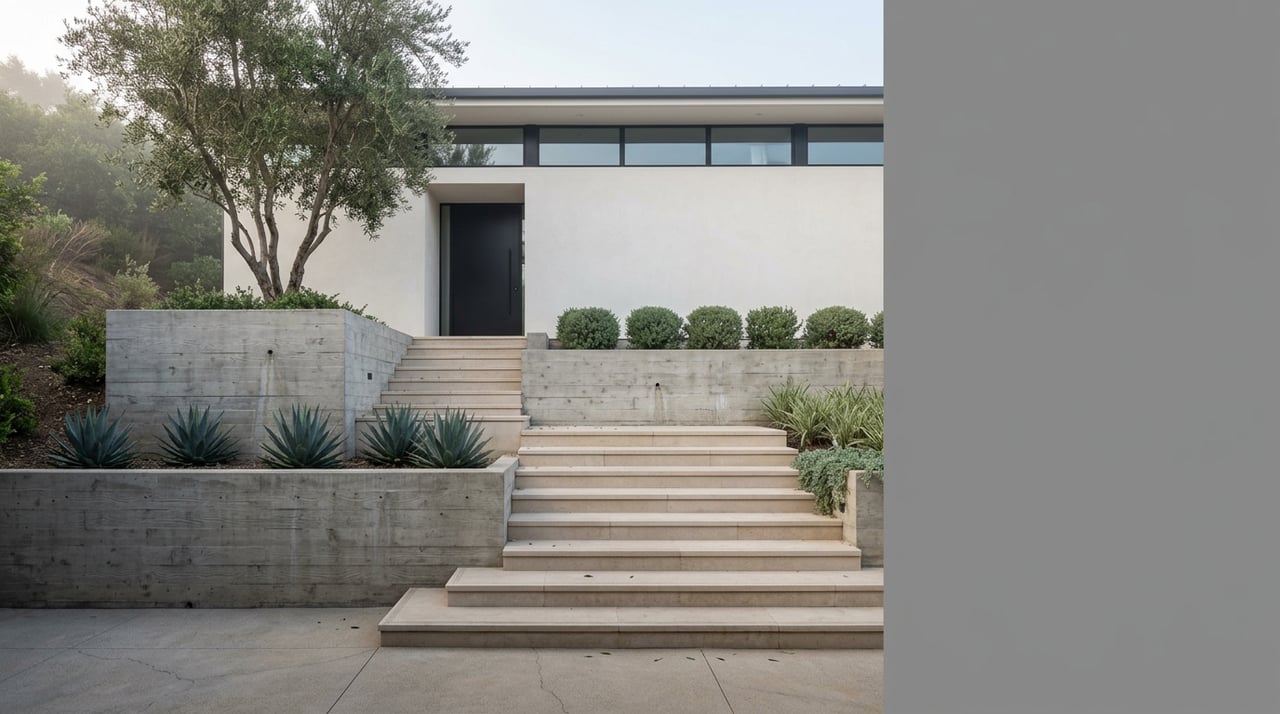
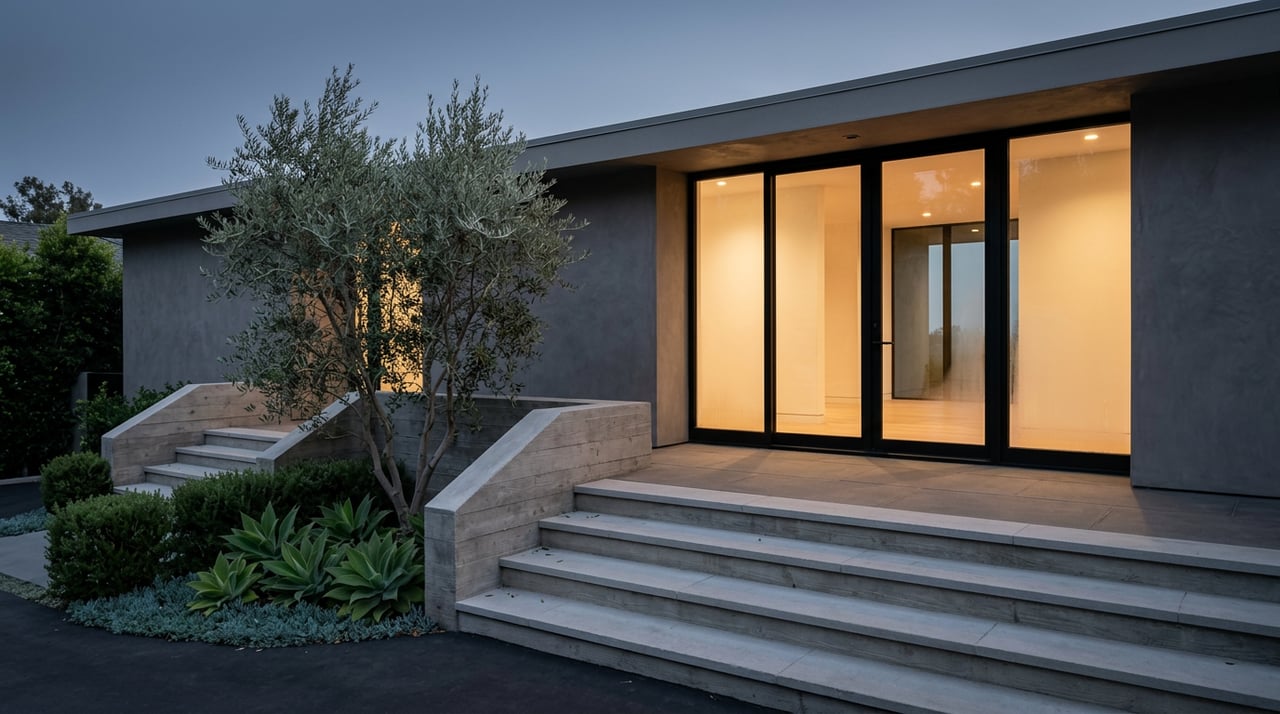
Photography for a Mesa Verde ranch should make the architecture obvious at first glance. The exterior hero image should show the low roofline, wide eaves, mature landscaping, and horizontal profile. If the home has a strong relationship to green space or a particularly inviting yard, that image should appear early in the sequence.
Inside, image order matters. A strong progression usually moves from the entry to the main living area, then to the kitchen, and then to the patio or yard. That sequence helps buyers understand how the home opens up and how the remodel supports flow.
What your photos should answer
Your photo package should help buyers answer a few key questions quickly:
- Does this still feel like a true single-level ranch?
- What original architectural features remain?
- How much natural light reaches the main rooms?
- How do the living areas connect to the patio and yard?
- Does the remodel improve function without distorting the home’s proportions?
If the photos cannot answer those questions, the marketing is probably leaving value on the table.
Add a floor plan buyers can read fast
A floor plan is especially useful for remodeled ranch homes. Because the style depends so much on proportion and circulation, buyers often want to see the full layout before they decide how well the remodel works.
A clear plan should make the public and private zones easy to read. It should also show how the kitchen, living spaces, and outdoor areas relate to one another. For a Mesa Verde ranch, that context often matters more than a long list of finish upgrades.
Position the home for the right buyer
The strongest Mesa Verde marketing does not try to make the home appeal to everyone. It speaks directly to buyers who appreciate architecture, notice thoughtful renovation choices, and understand the value of a home that still feels grounded in its original design era.
That is where design-sensitive storytelling can make a real difference. If you present the home as a generic remodel, it may blur into the market. If you present it as a well-resolved Mesa Verde ranch with clear, documented improvements and a strong indoor-outdoor plan, you give buyers a sharper reason to care.
A remodeled Mesa Verde ranch has its best chance to stand out when the marketing is as thoughtful as the renovation itself. If you’re preparing to sell and want a strategy that respects the architecture while positioning the home for today’s buyer, bouHAUS can help you shape the story with clarity, precision, and design-forward presentation.
FAQs
How should you describe a remodeled Mesa Verde ranch in listing copy?
- The strongest approach is usually to frame it as a classic Mesa Verde ranch that has been thoughtfully updated for modern living, then support that with specific, verifiable details about layout, light, systems, baths, landscaping, and indoor-outdoor flow.
What original features matter most in a Mesa Verde ranch home?
- The most important features usually include the low horizontal roofline, wide eaves, large windows or glass doors, single-level layout, simple open planning, attached garage or carport, and outdoor spaces such as patios or courtyards.
Why does photography matter so much for a remodeled ranch in Mesa Verde?
- Photography helps prove the home’s scale, natural light, roofline, and connection to the yard, which are core parts of ranch architecture and often central to how buyers evaluate a remodeled home in Mesa Verde.
Why should a Mesa Verde ranch listing include a floor plan?
- A floor plan helps buyers understand how the remodel changed circulation, how public and private spaces relate, and whether the kitchen, living areas, and outdoor spaces work together as a cohesive single-level plan.
What documentation should sellers be ready to provide for a remodeled older home in Mesa Verde?
- Sellers should be ready to provide accurate disclosures and any available supporting records for completed work, such as permits, receipts, inspections, and other documentation that helps verify claims made in the marketing.
What makes outdoor space important when marketing a home in Mesa Verde?
- Outdoor space matters because patios, courtyards, and rear-yard areas are part of the ranch home’s original design logic, and the broader Mesa Verde setting includes nearby parks, trails, and golf amenities that reinforce the value of usable outdoor living areas.