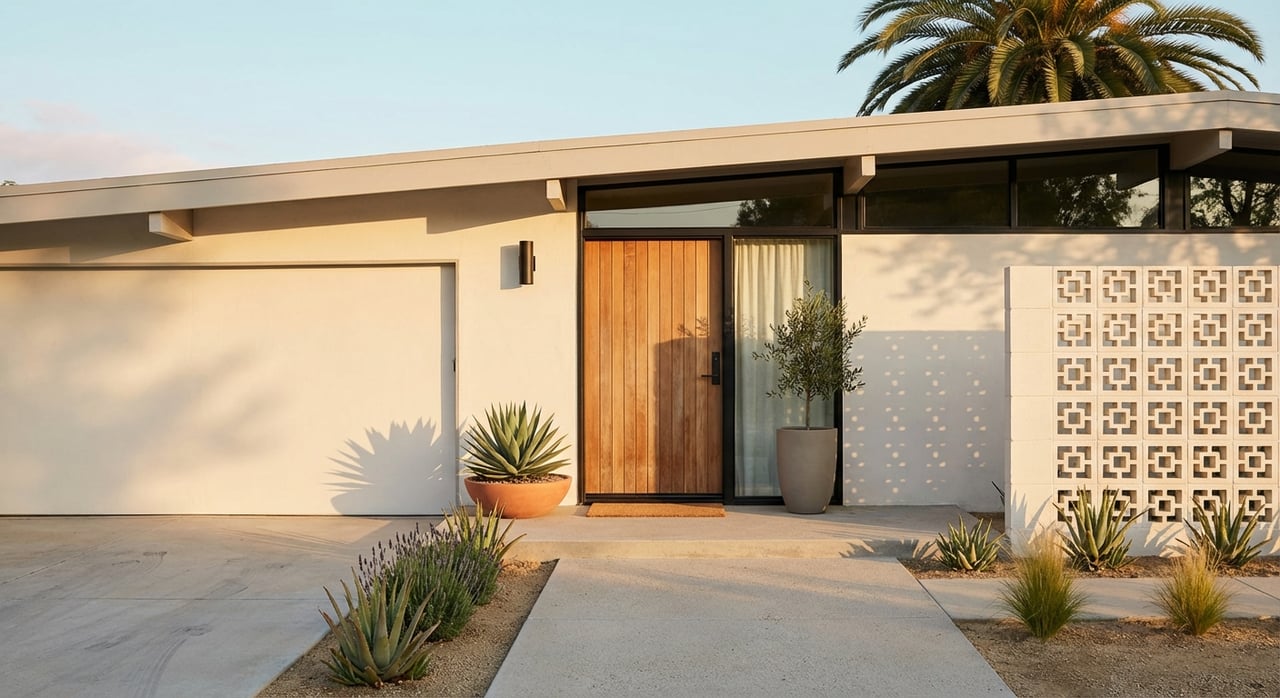
Thinking about selling your mid-century ranch in Mesa Verde, but not sure how to honor its architecture and still win in today’s market? You’re not alone. Buyers in 92626 love authentic character and clean, move-in-ready updates, and the right prep can lift both interest and final price. In this guide, you’ll learn what to keep, which improvements pay off, how to present your home to design-minded buyers, and what local rules to check before you start. Let’s dive in.
Mesa Verde market snapshot
Mesa Verde sits inside 92626 and continues to command a premium for well-kept mid-century and ranch homes. As a frame of reference, the median sale price in 92626 was about $1,597,000 in January 2026, and Mesa Verde listings often trade higher thanks to lot style, country-club adjacency, and strong single-level demand. The takeaway for you: preserve authentic details and pair them with on-trend but sympathetic updates to stand out.
What to keep: mid-century bones
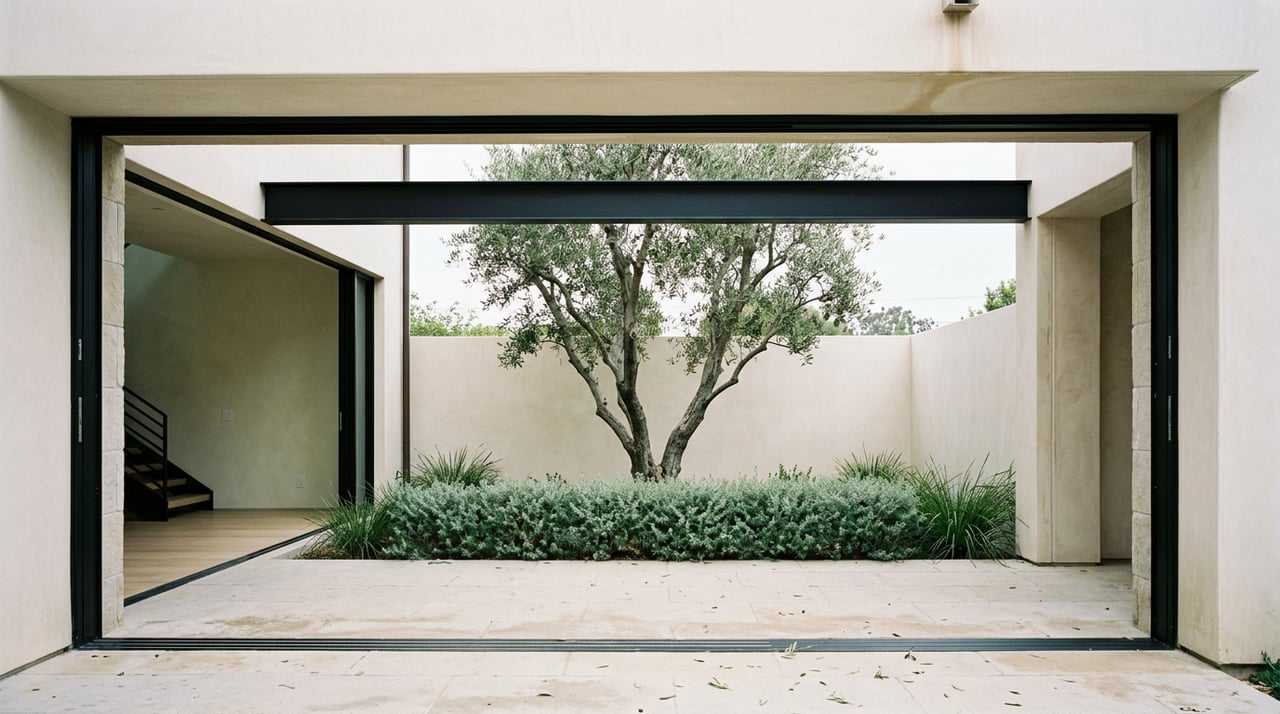
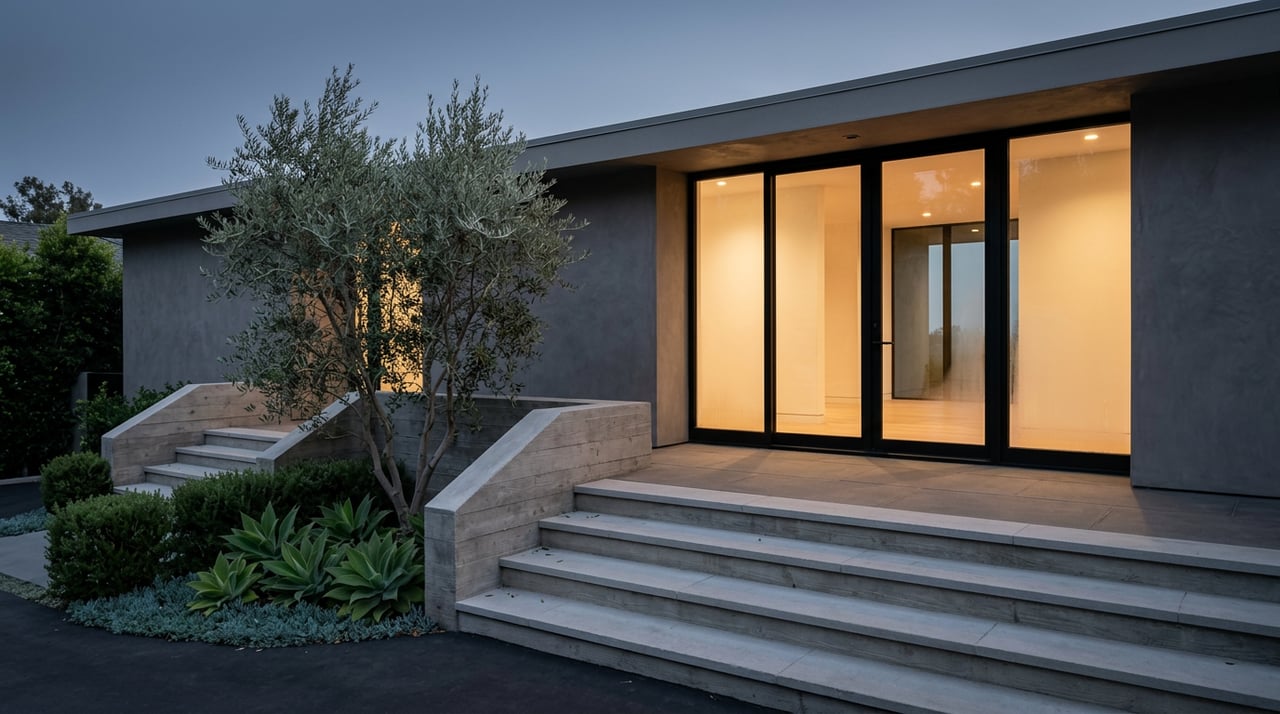
Mid-century ranches are prized for their low, horizontal lines, wide eaves, large picture windows, and indoor–outdoor flow. Interiors often feature built-ins, simple geometric fireplaces, exposed beams, and occasional wood paneling. These are core elements of postwar housing design, and they are worth protecting. For a good primer on what defines the style, see the National Academies’ overview of postwar housing context and common features in ranch-era homes. You can learn more about those postwar housing features in this summary of postwar housing features.
If you’re lucky enough to have original flooring, resist the urge to replace it. Refinish hardwood if it’s sound. If you have terrazzo, consider professional restoration; the before-and-after can be dramatic. Here’s a clear guide on how pros restore terrazzo floors.
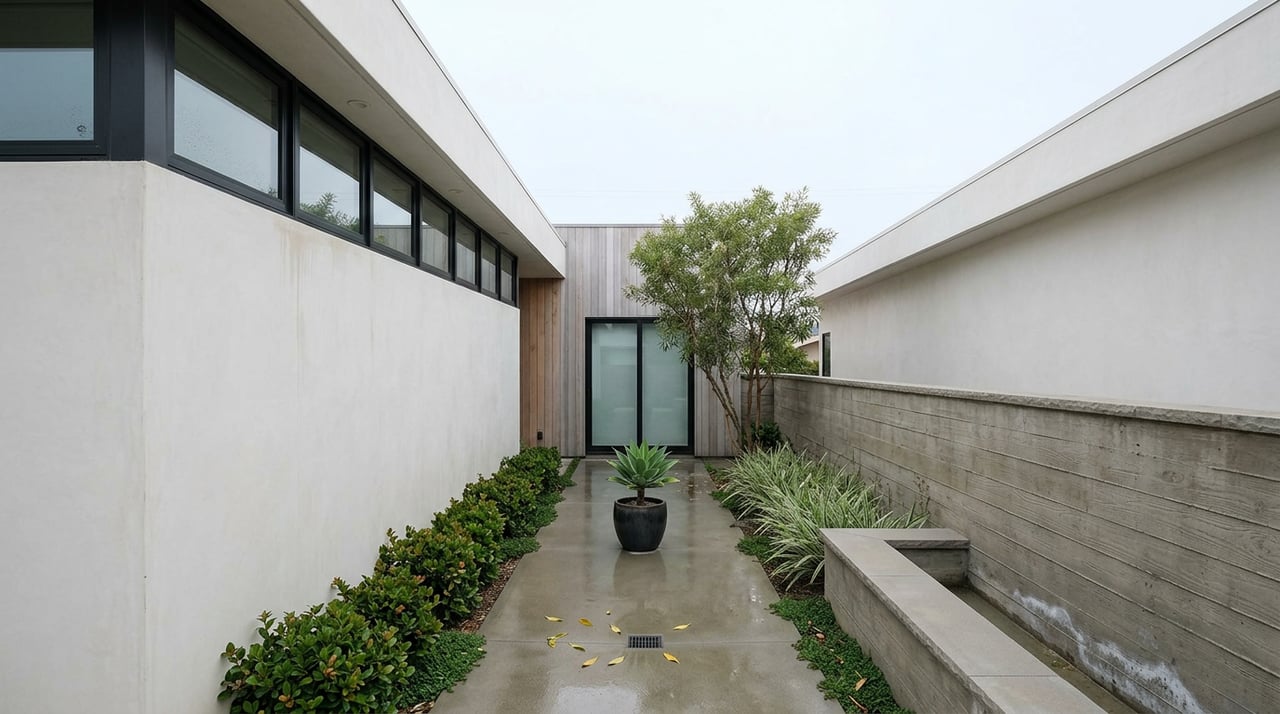
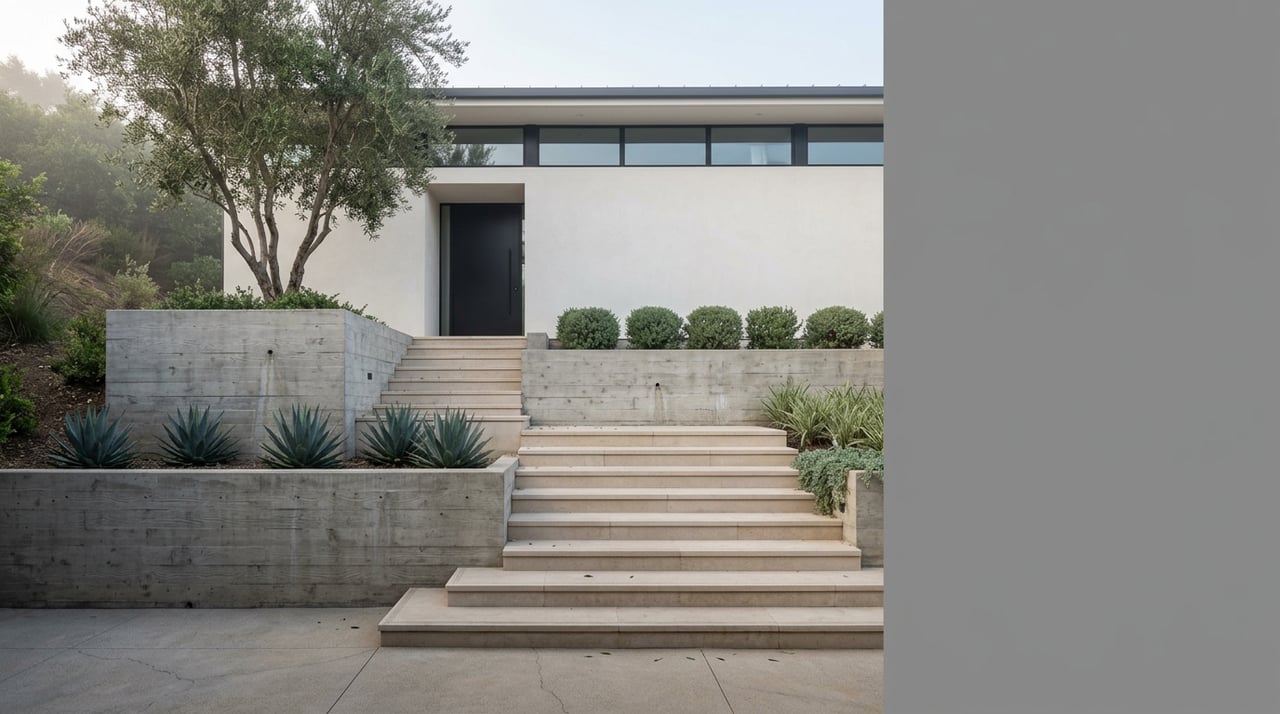
Landscape matters too. Mid-century yards tend to be simple and low, with patios that extend living space. Keep plantings trimmed so the low roofline reads clearly from the street and the house feels connected to the yard.
Quick refreshes that pay off
Small, well-aimed improvements often bring the best return. Start here:
- Paint: Choose warm whites or soft greiges as your main color to brighten rooms and photograph well. Use classic mid-century hues only as accents, like on a front door or a single feature wall. For inspiration grounded in the style, browse design-backed mid-century paint palettes.
- Hardware and lighting: Swap dated or damaged fixtures for simple, era-appropriate designs in brushed brass, matte black, or satin nickel. Keep original built-ins and update knobs or pulls with clean, period-true profiles.
- Floors: Refinish visible hardwood where practical. If terrazzo is present, hire a specialist to grind, polish, and reseal. It reads authentically mid-century and photographs beautifully.
- Declutter and deep clean: Open sightlines are a huge part of mid-century appeal. Clear surfaces, edit furnishings, and stage key rooms. Industry reporting on staging’s impact shows it helps buyers visualize and can speed time on market.
A quick note on execution: for any specialty trades, get written bids, confirm licenses and insurance, and ask for references from recent mid-century projects. Preserving period details takes the right touch.
Smart mid-range updates buyers expect
These projects take a little longer and cost more, but they can smooth inspection outcomes and earn buyer trust.
- Prioritize invisible systems: Electrical panels, older wiring, HVAC, water heaters, and plumbing often deserve attention first. Inspectors will look closely at these. Preservation guidance generally advises addressing hidden systems before altering visible character. See these guidelines for modern preservation for the philosophy behind systems-first updates.
- Kitchens and baths: When possible, refresh instead of gut. Keep the layout if it works. Reface or refinish flat-panel cabinets, install durable quartz or neutral stone counters, and upgrade to quality appliances. Finish with simple period-true pulls. You keep the home’s flow while meeting buyer expectations.
- Windows and glazing: Original large panes are part of the look but are not very efficient. Start with restoration and weatherstripping if frames are sound. If replacement is necessary, match the original sightlines and profiles to keep the elevation honest. For context on why authenticity affects value, read about authentic sightlines and glazing.
Again, line up licensed contractors, clarify the scope in writing, and confirm permit requirements before work begins.
Big projects: proceed with care
Additions, ADUs, and major exterior changes can add value in Orange County, but they also trigger permits, plan checks, and longer timelines. In Costa Mesa, ADUs require proper submittals and reviews. Start with the City’s page for City of Costa Mesa permitting and ADU guidance to confirm what is needed.
If your roofline or fascia is a defining mid-century element, select materials that preserve the original silhouette. Avoid claddings that hide the home’s geometry. Always balance cost, time, and likely return with real local comps before you commit.
Present for design-conscious buyers
The right presentation brings your home’s story forward and attracts the right audience.
- Lead with indoor–outdoor flow: Your first listing images should show the living room opening to the patio and yard. It is the mid-century lifestyle in one view.
- Stage with low, clean-lined furniture: Keep sightlines open, scale furnishings to the architecture, and add just a few sculptural lights or plants. Prioritize the living room, kitchen, and the primary bedroom. Staging, whether physical or virtual, helps buyers connect with the space.
- Write to the architecture and lifestyle: Call out honest details like “exposed-beam ceiling,” “clerestory windows,” or “terrazzo hearth,” and mention the effortless patio dining and proximity to Mesa Verde Country Club, Fairview Park, and South Coast Plaza. Keep the language neutral and specific.
Permits, rules, and local incentives to check
Before any significant work, confirm what needs a permit. Costa Mesa uses an online portal for plan checks and permits for electrical, mechanical, roofing, solar, and ADUs. Review current processing times and submittal requirements via City of Costa Mesa permitting and ADU guidance. Cosmetic work like interior paint typically does not need a permit, but structural changes and systems work often do.
If you think your property could be a designated resource, review Costa Mesa’s standards. Some exterior changes on listed properties can require review or a Certificate of Appropriateness. Start with the City code reference for Costa Mesa historic preservation standards and follow up with Planning staff.
For curb appeal and water-wise updates, confirm your water provider and available rebates. Mesa Water serves most of Costa Mesa. If you plan to remove lawn, apply first to the county’s Turf Replacement Program, which can offer per-square-foot incentives for drought-tolerant conversions.
If your home is in an HOA, review architectural guidelines early. For solar, California’s Solar Rights Act limits HOA restrictions that significantly increase cost or reduce efficiency. See a plain-English California Solar Rights Act overview, and always submit complete applications to keep your review timeline on track.
Your pre-list checklist
Use this simple roadmap to get market-ready without losing the mid-century soul.
Immediate, 0–2 weeks
- Deep clean, declutter, and remove personal photos to open sightlines.
- Touch up paint, fix obvious items, replace burned-out bulbs, and make all doors and drawers operate smoothly.
- Test paint samples in main rooms; pick a warm white or soft greige that flatters natural light.
- Line up a photographer who understands mid-century compositions. Staging the living room is often the highest ROI move. See reporting on staging’s impact for why it matters.
- If planning landscape changes, review and apply to the Turf Replacement Program before removing any grass.
Short term, 2–6 weeks
- Refinish visible hardwood where practical. If terrazzo is present, consult a pro to restore terrazzo floors.
- Replace dated lighting and hardware with simple, era-appropriate pieces.
- Gather 1–2 licensed bids for any electrical, HVAC, or plumbing updates. Confirm permits with the City.
Medium term, 6–12 weeks
- Tackle “invisible” systems that inspections will flag. Follow preservation-first thinking with these guidelines for modern preservation.
- Refresh kitchens and baths with refaced cabinetry, neutral counters, quality fixtures, and period-true pulls.
- If windows need work, first consider repair and weatherstripping; if replacing, match original sightlines. Read about the value of authentic sightlines and glazing.
Optional, higher investment
- Consider an ADU or addition only after a comp-based pricing check and a talk with Costa Mesa Building. Start with City of Costa Mesa permitting and ADU guidance.
Final thought
The best Mesa Verde sales do two things well: they protect the home’s mid-century identity and they deliver a smooth, low-risk experience for the buyer. If you preserve the right features, invest in targeted updates, and present the indoor–outdoor lifestyle clearly, you put your home in the path of the most motivated audience.
Ready for a pricing opinion and a design-forward plan tailored to your street and lot? Connect with bouHAUS for hands-on guidance, curated marketing, and a clear path to market.
FAQs
How should I price a mid-century ranch in Mesa Verde?
- Start with zip-level context, then focus on Mesa Verde micro-comps by street, lot, and level of preserved character; well-presented homes with authentic details can command a premium.
Which original features add the most value when selling?
- Preserve low rooflines, large windows, indoor–outdoor flow, built-ins, exposed beams, and original flooring like hardwood or terrazzo when feasible.
Do I need permits for my pre-list updates in Costa Mesa?
- Cosmetic work usually does not, but electrical, mechanical, structural, and ADU projects typically do; confirm via the City’s online portal before starting.
Are turf removal and drought-tolerant landscapes worth it for curb appeal?
- Yes; simple, low plantings fit the mid-century look and you may qualify for per-square-foot rebates through the county’s Turf Replacement Program.
Is staging necessary for a design-forward mid-century home?
- Staging or strong virtual staging helps buyers visualize scale, enhances photos, and can reduce time on market; prioritize the living room, kitchen, and primary suite.