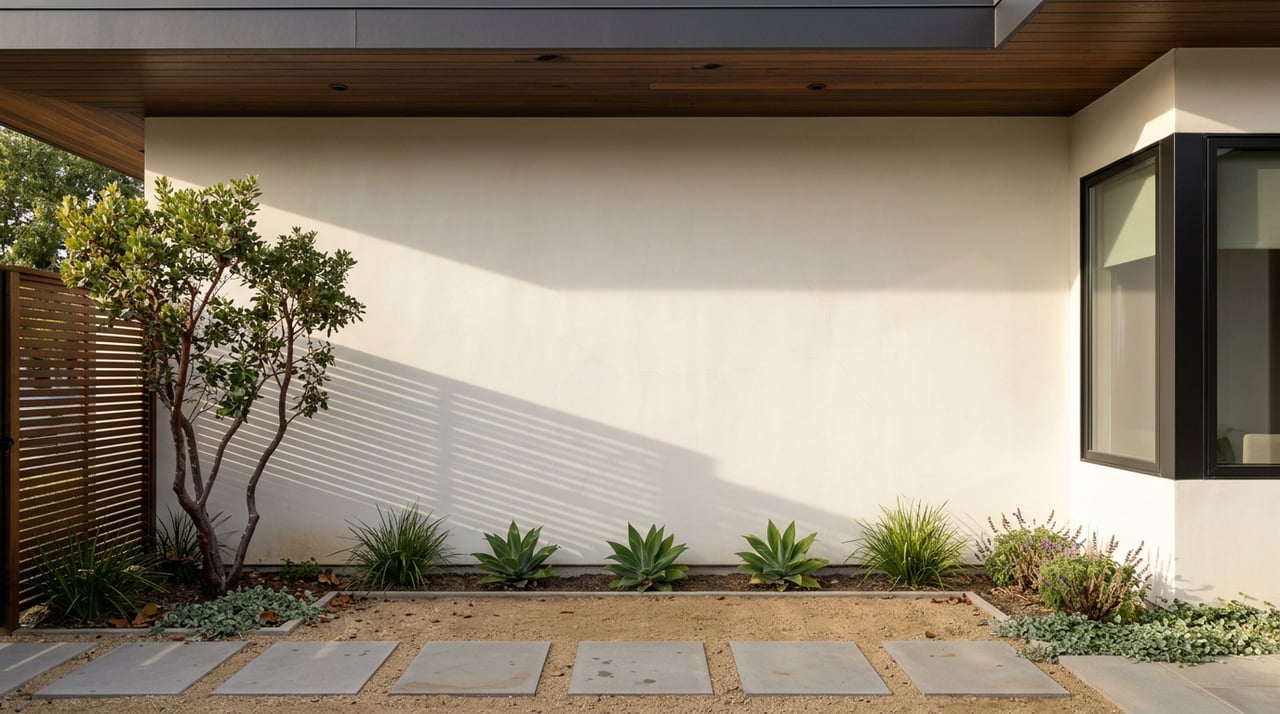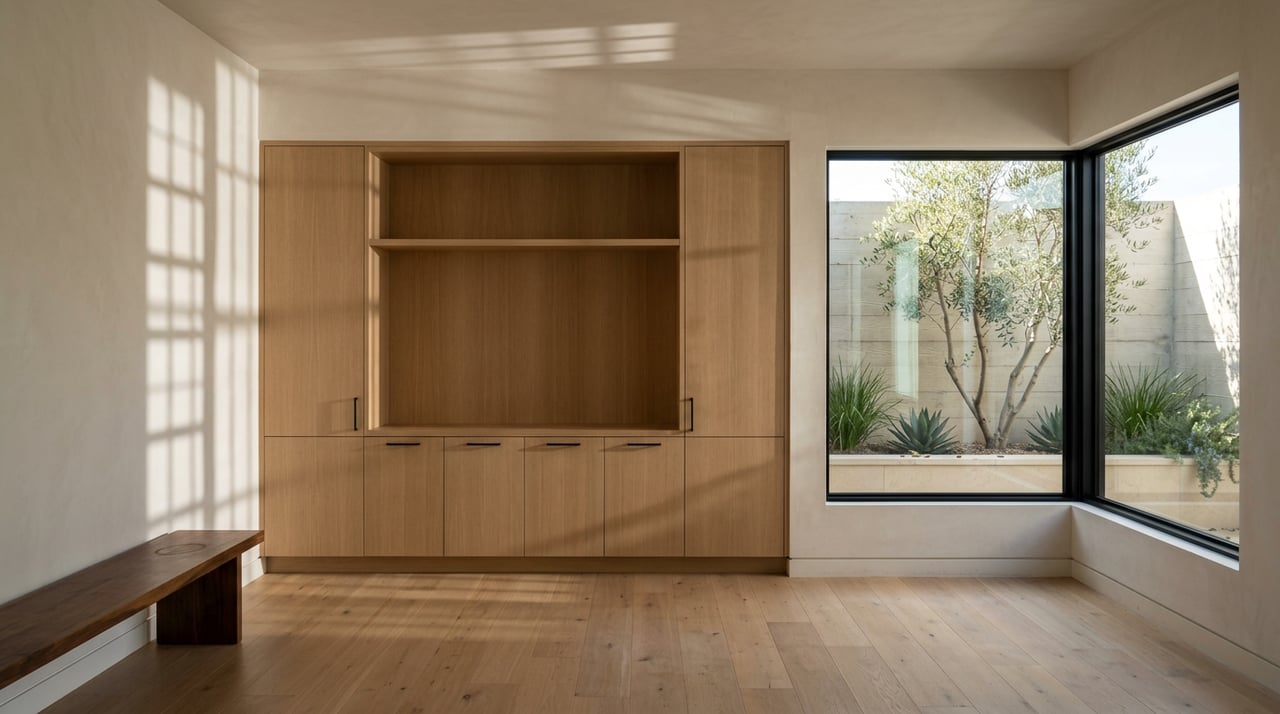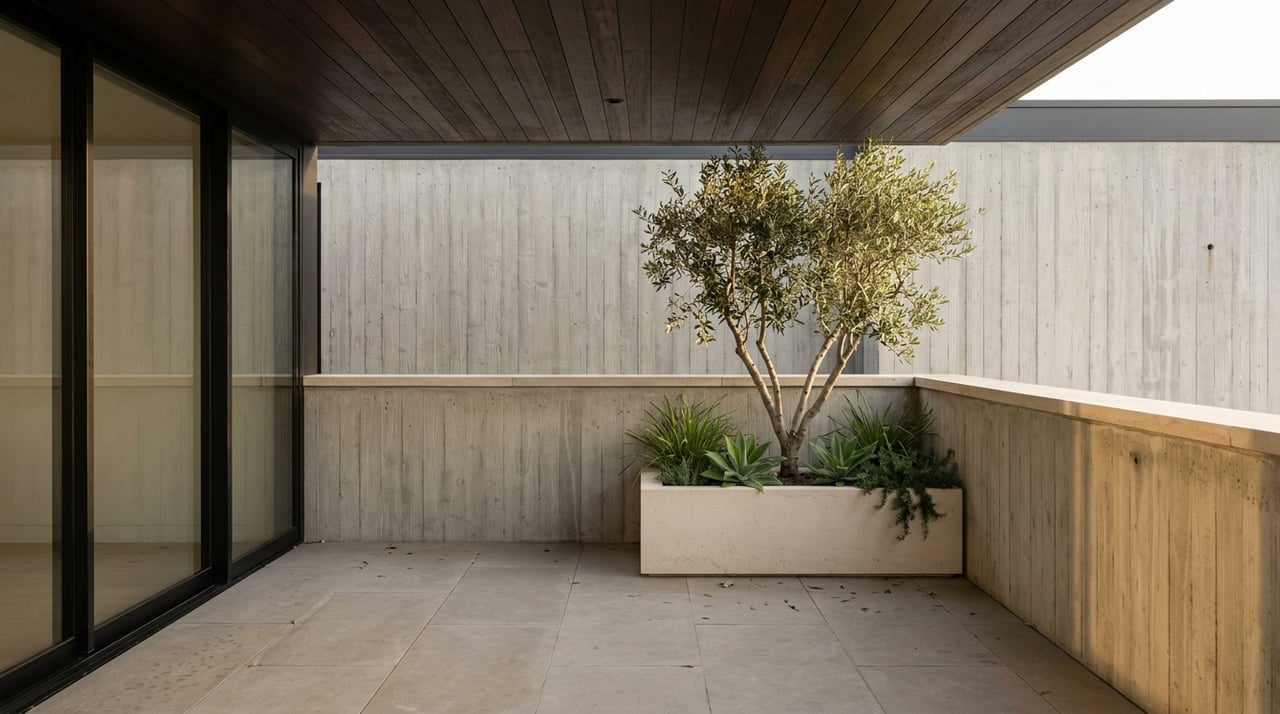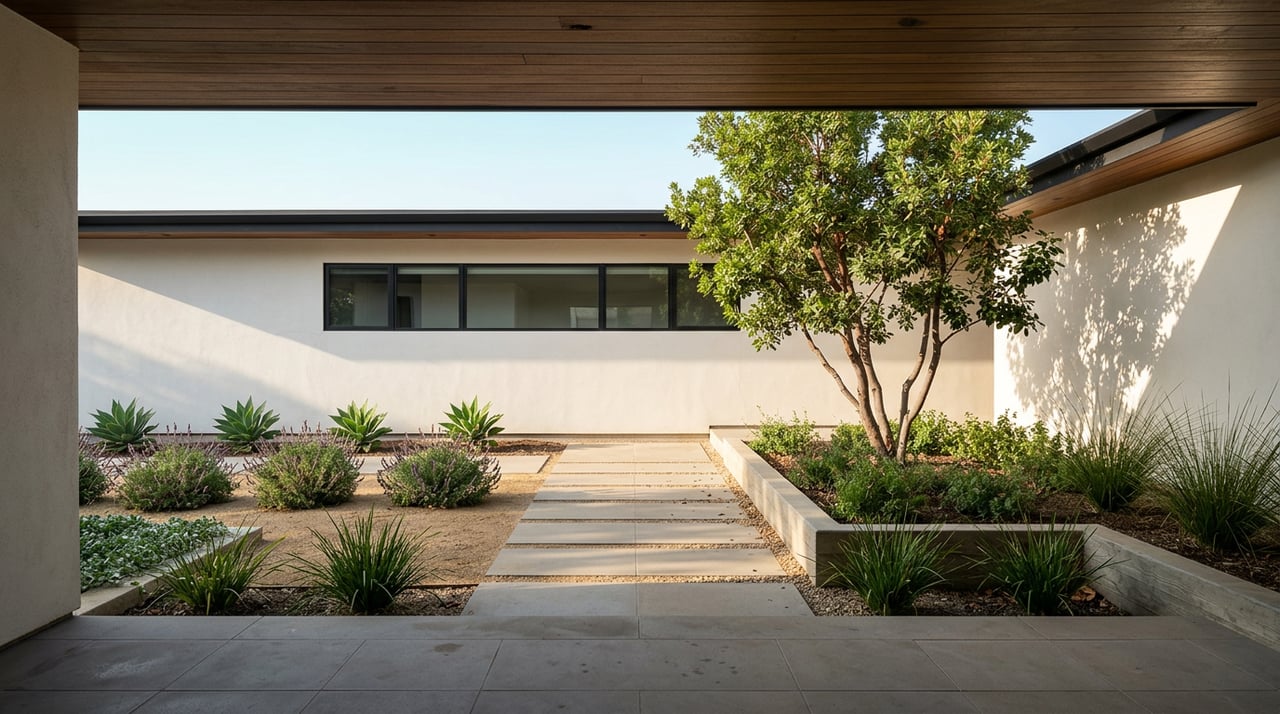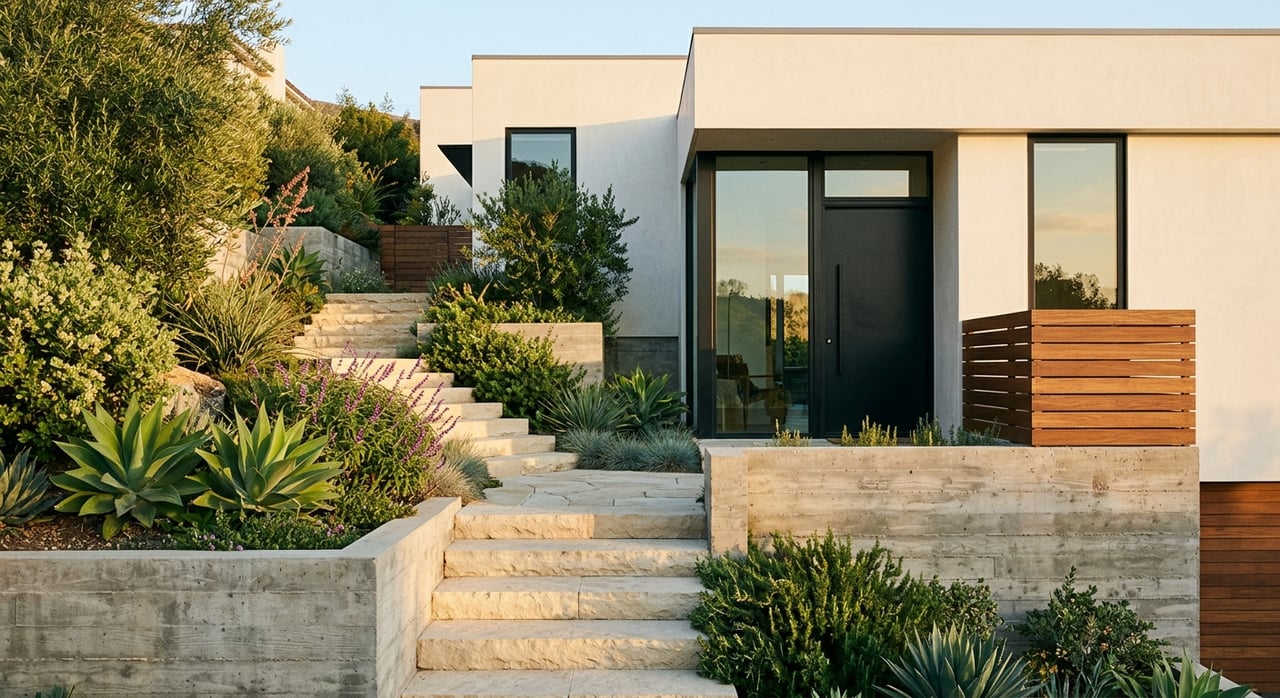
If you are torn between the Corona del Mar Village and the hillside bluffs, you are asking the right question. These two parts of Corona del Mar can feel dramatically different in how you live day to day, even though they share the same coastal zip code and lifestyle appeal. The good news is that the choice usually becomes clearer once you match your routine, design priorities, and tolerance for site constraints to the setting. Let’s dive in.
Why this choice matters in Corona del Mar
Corona del Mar is not one uniform neighborhood. The City of Newport Beach identifies multiple sub-areas, including Corona del Mar, Irvine Terrace, Corona Highlands, Shorecliffs, Cameo Highlands, and Cameo Shores, and its bluff overlay maps further separate specific enclaves and street segments.
That distinction matters because the Village and the bluff or terrace areas are shaped by different landforms, lot patterns, and planning rules. The city’s coastal planning documents note that the Corona del Mar terrace sits roughly 95 to 100 feet above sea level, which helps explain why one area feels compact and walkable while the other feels elevated and view-driven.
Corona del Mar Village at a glance
The Village, often associated with the Flower Streets, is the most walkable and close-in part of Corona del Mar. This is where errands, coffee runs, dining, and short neighborhood strolls are concentrated in a compact setting.
It also has a distinctly tighter physical pattern. In one city-documented planned community within the Village, standards include relatively small front setbacks, narrow side yards, a minimal rear yard, and garage access from alleys. That layout helps create the classic Village feel: charming, connected, and a little more compressed.
What daily life feels like in the Village
If you like stepping out for coffee, dinner, or a quick walk without planning your day around driving, the Village tends to stand out. The commercial corridor along Pacific Coast Highway and the nearby residential grid give this part of Corona del Mar a human-scale rhythm.
The city is also studying the Corona del Mar commercial corridor with a focus on walkability, safety, parking, mobility, and corridor identity. For you as a buyer, that reinforces the Village as the convenience-first side of the comparison.
Beach access in the Village
Beach access is one of the Village’s biggest strengths. Corona del Mar State Beach, often called Big Corona, is a half-mile sandy beach with access near Iris Street and Ocean Boulevard, and there are also access points at Lookout Point and Inspiration Point.
Little Corona offers a different shoreline experience. The city describes it as a small sandy cove with rocky intertidal platform reefs, reached by a walkway at Poppy Avenue and Glen Drive. If you want beach access that feels immediate and easy to understand on a map, the Village side generally delivers that best.
Tradeoffs to expect in the Village
The same features that make the Village convenient also create tradeoffs. Parking management is part of everyday life here, with the city identifying the main beach lot at Jasmine Street and Ocean Boulevard and noting free two-hour street parking on East Coast Highway.
The Village is also included in the city’s designated high-density area map for construction-noise rules. While that map serves a regulatory purpose, it also reflects what many buyers notice right away: homes tend to sit closer together, streets can feel more active, and the neighborhood experience is less insulated than in the bluff enclaves.
Hillside bluffs and terraces at a glance
The bluff and terrace side of Corona del Mar is a different experience altogether. Rather than one formal neighborhood name, this shorthand usually refers to areas such as Irvine Terrace, Corona Highlands, Shorecliffs, Cameo Shores, Dolphin Terrace, Bayadere Terrace, and bluff-oriented street segments along Avocado Avenue, Pacific Drive, Carnation Avenue, and Ocean Boulevard.
Here, the landform is the defining feature. The city’s coastal plan describes an elevated terrace platform bounded by steep bluffs, with ocean-facing coastal bluffs along parts of Corona del Mar, Shorecliffs, and Cameo Shores, plus bluffs above the harbor entrance.
What daily life feels like on the bluffs
If your priority is a stronger residential feel, more separation between homes, and a setting shaped by elevation and outlook, the bluff and terrace areas are often the better fit. This side of Corona del Mar tends to feel more site-specific, with each street or enclave shaped by its relationship to the land.
That can be especially appealing if you are drawn to architecture and siting. In these areas, the way a home captures light, frames a view, or responds to the slope can be a meaningful part of its value and character.
Lot pattern and spacing differences
The physical pattern is often more generous here than in the Village. In a city case record for Irvine Terrace, representative lots were described as about 80 feet wide and roughly 9,500 to 13,000 square feet, with single-story homes and side yards that created about 8 feet of separation between residences.
That is a major contrast with the smaller, alley-access blocks found in parts of the Village. If you want a property search centered on lot width, setback rhythm, and breathing room, the bluff and terrace areas deserve close attention.
View orientation and shoreline access
The bluff side is also tied to some of Corona del Mar’s most recognizable outlooks. The city’s public-access plan highlights places like Lookout Point, Inspiration Point, and trail access to Pirate’s Cove and Rocky Point as part of the shoreline experience.
For many buyers, that translates into a lifestyle built less around quick errands and more around setting, perspective, and a quieter visual experience. The home itself often feels more connected to topography and horizon lines than to the retail core.
Design and planning differences to keep in mind
One of the biggest practical differences between these areas is that bluff sites tend to come with more site-specific rules. City policy states that bluff-top development must follow setback rules, while bluff-face development is generally prohibited, even though some existing bluff-face homes remain on streets such as Avocado Avenue, Pacific Drive, Carnation Avenue, and Ocean Boulevard.
For you, that means two homes with similar views may not offer the same future flexibility. If you are considering renovation potential, expansion, or long-term design changes, the bluff and terrace side often requires a more detailed review of setbacks, overlay conditions, and stability-related rules.
By contrast, the Village is usually easier to understand in terms of its established compact pattern. That does not mean every property is simple, but the search tends to revolve more around walkability, parking, lot efficiency, and proximity to the commercial core than bluff-edge conditions.
Which setting fits your lifestyle best?
For most buyers, the decision comes down to one core question: do you want walkability-first living or views-and-privacy-first living? Both can be quintessential Corona del Mar, but they support different daily routines.
Choose the Village if you want convenience first
The Village may be the better fit if you want:
- Easy walks to coffee, restaurants, boutiques, and the beach
- A compact street grid with a lively, close-in feel
- Immediate access to the commercial core
- A classic neighborhood rhythm built around short trips and spontaneity
The tradeoff is that you are more likely to notice parking pressures, seasonal activity, and homes that sit closer together.
Choose the bluffs if you want setting first
The bluff and terrace areas may be the better fit if you want:
- A more elevated, view-oriented setting
- More separation between homes
- A quieter residential feel
- A home search driven by siting, outlook, and lot dimensions
The tradeoff is that these areas are often less about quick walkability and more about property-specific conditions, including setback and bluff-related design constraints.
A simple way to decide
If you are still undecided, picture an ordinary Tuesday rather than a dream weekend. If your ideal day starts with a walk to coffee, includes errands on foot, and ends with dinner nearby, the Village likely aligns with how you actually want to live.
If your ideal day is shaped more by views, privacy, and the feeling of coming home to an elevated coastal setting, the bluff and terrace side may be the stronger match. In Corona del Mar, both choices can be exceptional. The right one depends on whether convenience or context matters more to you.
At bouHAUS, we look at this choice through both a lifestyle and design lens. If you want help comparing Village properties to bluff, terrace, or off-market opportunities in Corona del Mar, connect with bouHAUS.
FAQs
Is the Corona del Mar Village more walkable than the hillside bluffs?
- Yes. The Village is the most walkable part of Corona del Mar, with a compact street grid, close access to shops and dining, and easier beach access.
Is “hillside bluffs” an official Corona del Mar neighborhood name?
- Not usually. It is more of a shorthand for specific enclaves and bluff-oriented areas such as Irvine Terrace, Shorecliffs, Cameo Shores, Dolphin Terrace, Bayadere Terrace, and certain street segments along Avocado, Pacific, Carnation, and Ocean.
Are homes in the bluff and terrace areas usually on larger lots?
- In some areas, yes. City records for Irvine Terrace describe representative lots that are wider and larger than the tighter lot pattern found in parts of the Village.
Does the Corona del Mar Village have better beach access?
- For most buyers, yes. Big Corona and Little Corona are especially legible and accessible from the Village side of Corona del Mar.
Are bluff properties in Corona del Mar subject to different design rules?
- Yes. Bluff-top development is subject to setback rules, and bluff-face development is generally prohibited, making these properties more site-specific from a planning standpoint.