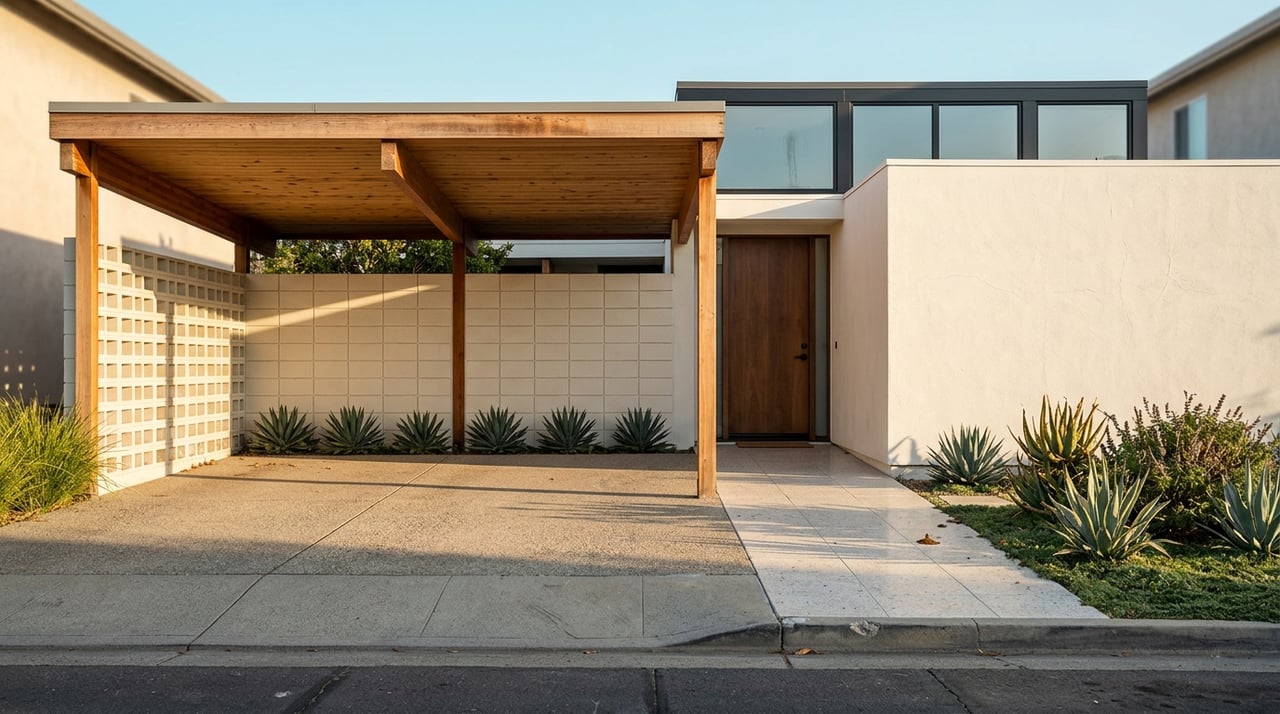
Ever wonder why Cliff Haven feels so visually interesting without looking chaotic? As you move through the neighborhood, you will notice homes that look very different at first glance, yet somehow still belong together. That mix is part of Cliff Haven’s appeal, and once you know what to look for, the area tells a clear architectural story. Let’s dive in.
Why Cliff Haven Looks So Varied
Cliff Haven is not a neighborhood defined by one strict architectural style. Newport Beach planning documents describe it as part of a later wave of inland and north or east development, with a more suburban pattern, curving streets, and ranch-style homes on larger lots.
A local historical account places Cliff Haven’s tract development in 1947 on bluff-top open land. Over time, many original homes were remodeled or replaced, which created the layered streetscape you see today.
That history matters if you are house hunting here. Instead of expecting a uniform look, it helps to think of Cliff Haven as a coastal terrace neighborhood where architecture evolved over time while keeping a strong relationship to views, lot size, and the land itself.
What Ties the Neighborhood Together
The easiest way to understand Cliff Haven is to focus less on labels and more on what the homes are responding to. In Newport Beach, city planning guidance emphasizes design that considers topography, landforms, vegetation, and the relationship to the Bay and coastline.
That is why so many homes here feel view-conscious. Whether the style is ranch, Cape Cod, Mediterranean, or contemporary, many properties are shaped by the same priorities: light, openness, privacy, and orientation toward water and sky.
If you are walking or driving through the neighborhood, pay attention to a few key details first:
- Roofline and overall massing
- Window placement and rhythm
- Outdoor rooms like patios, courtyards, and decks
- How the house sits on the lot
- Whether living spaces seem oriented toward bay, harbor, or ocean views
Ranch Roots in Cliff Haven
Ranch homes are an important part of Cliff Haven’s original identity. This style is generally low-slung and horizontal, with wide eaves, open floor plans, large windows, sliding doors, patios, and attached garages.
In a neighborhood shaped by postwar growth, that makes perfect sense. Larger lots and a more suburban street pattern gave ranch homes room to stretch out, which still influences the feel of many streets today.
How Ranch Shows Up Today
You may still spot classic ranch remnants, but you will also see updated versions. In Cliff Haven, ranch language often lives on through remodels and rebuilds that keep the low profile and indoor-outdoor logic of the original homes.
That means even newer houses can echo the neighborhood’s postwar DNA. If a home has a broad footprint, strong connection to the yard, and a relaxed horizontal feel, it is likely carrying some of that ranch heritage forward.
Mid-Century Cues Still Matter
Cliff Haven also speaks to buyers who love mid-century design. Recent homes in the area have been described with mid-century modern influences, especially where large windows, simple geometry, and open living spaces take priority.
You do not need a textbook mid-century house to feel that influence. In this neighborhood, the mid-century spirit often shows up in the way a home opens to light, frames a view, and blurs the line between indoors and outdoors.
What to Look For
If mid-century design catches your eye, watch for these details:
- Long horizontal lines
- Expansive glass
- Clean, simple forms
- Open-plan living areas
- Patios or sliders that connect directly to outdoor space
In Cliff Haven, these features often feel especially natural because the bluff-top setting rewards homes that stay visually open.
Cape Cod and Coastal Traditional Homes
Not every home in Cliff Haven leans modern. The neighborhood also includes traditional coastal homes, including examples described as Cape Cod style.
Cape Cod is a subtype of Colonial Revival. It is usually marked by a low-pitched gabled roof, dormers, a centered entry, and simple shingle or clapboard surfaces.
Why This Style Works Here
Cape Cod and coastal traditional homes bring a more classic, symmetrical look to the streetscape. In Cliff Haven, they add variety while still fitting the broader coastal setting.
These homes often feel polished and familiar rather than flashy. If you are drawn to architecture with a timeless profile and softer detailing, this category may stand out to you.
Mediterranean and Santa Barbara Influence
Another major visual thread in Cliff Haven is revival architecture, especially Mediterranean, Spanish-inflected, and Santa Barbara-inspired homes. Recent listings in the neighborhood show that these styles remain a strong part of the estate inventory.
These homes are commonly identified by stucco walls, low-pitched tile roofs, arches, wrought-iron accents, and courtyard-centered layouts. In a coastal Southern California setting, those materials and forms can feel especially at home.
Signature Features to Notice
As you tour the neighborhood, look for:
- Stucco exteriors
- Clay or tile rooflines
- Arched openings
- Iron detailing
- Courtyards and layered outdoor spaces
These homes often create a more formal street presence. At the same time, they still connect well to the indoor-outdoor lifestyle that defines Cliff Haven.
Warm Contemporary and Coastal Modern
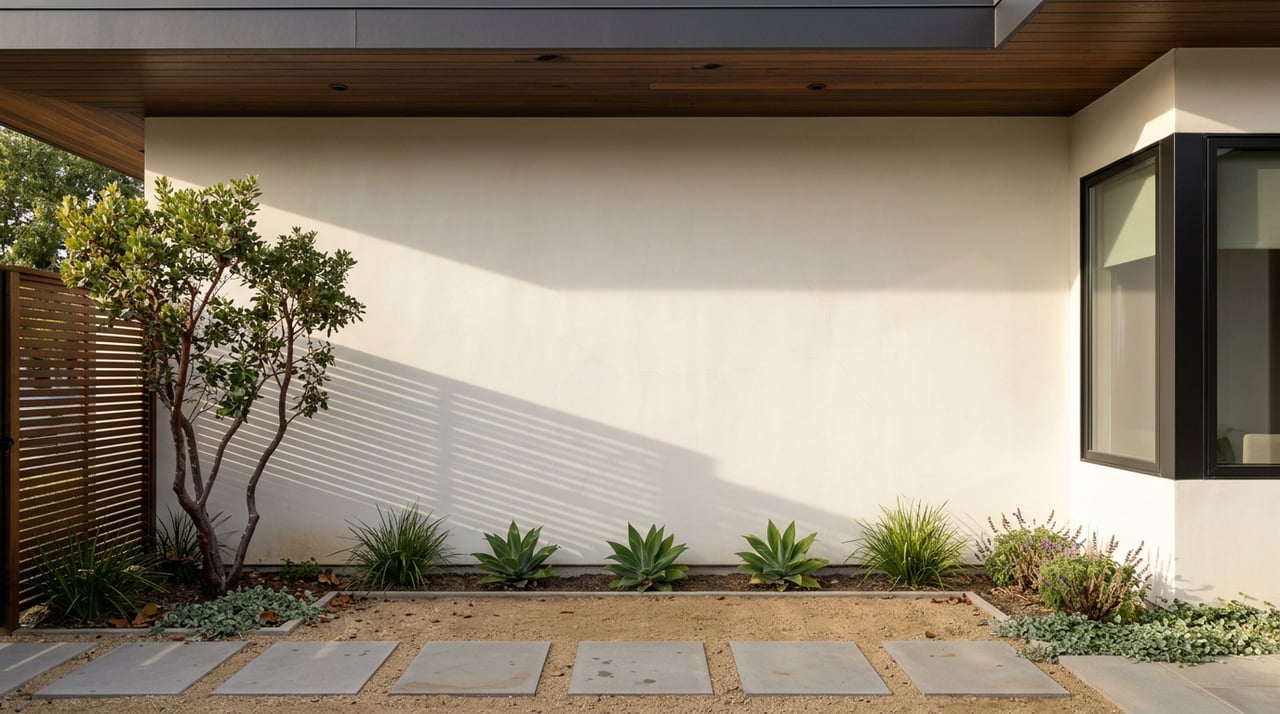
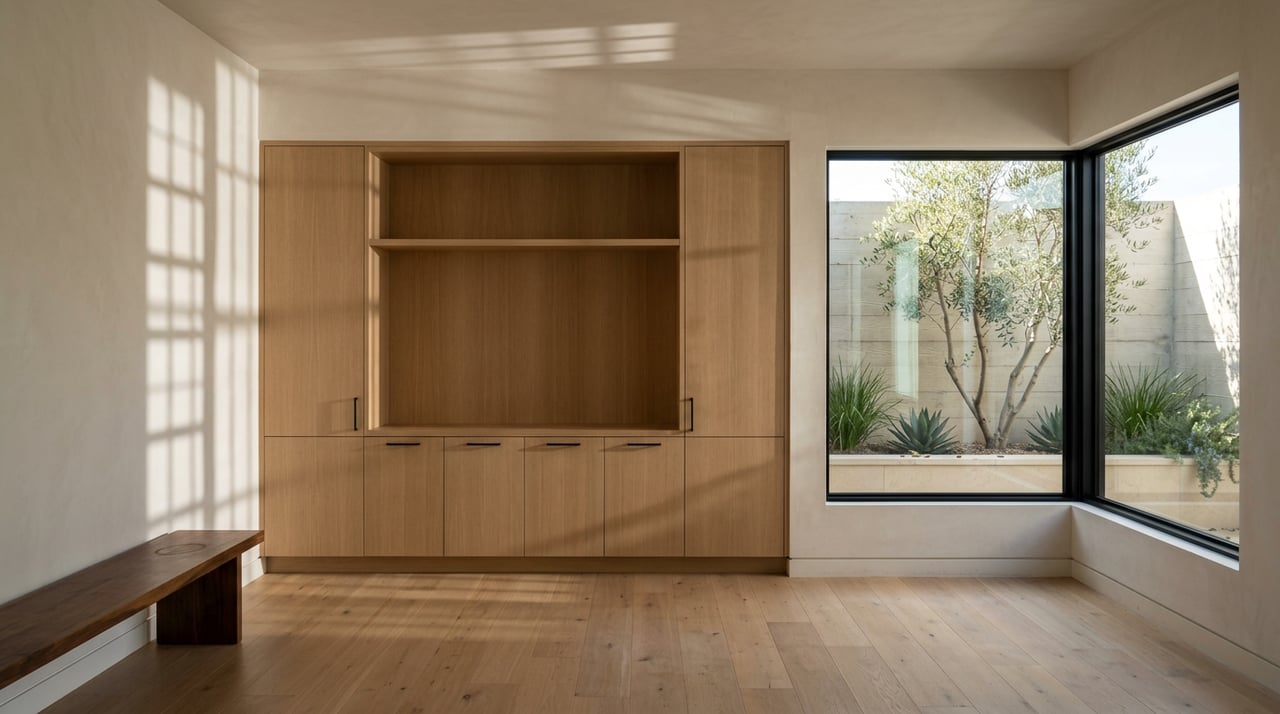
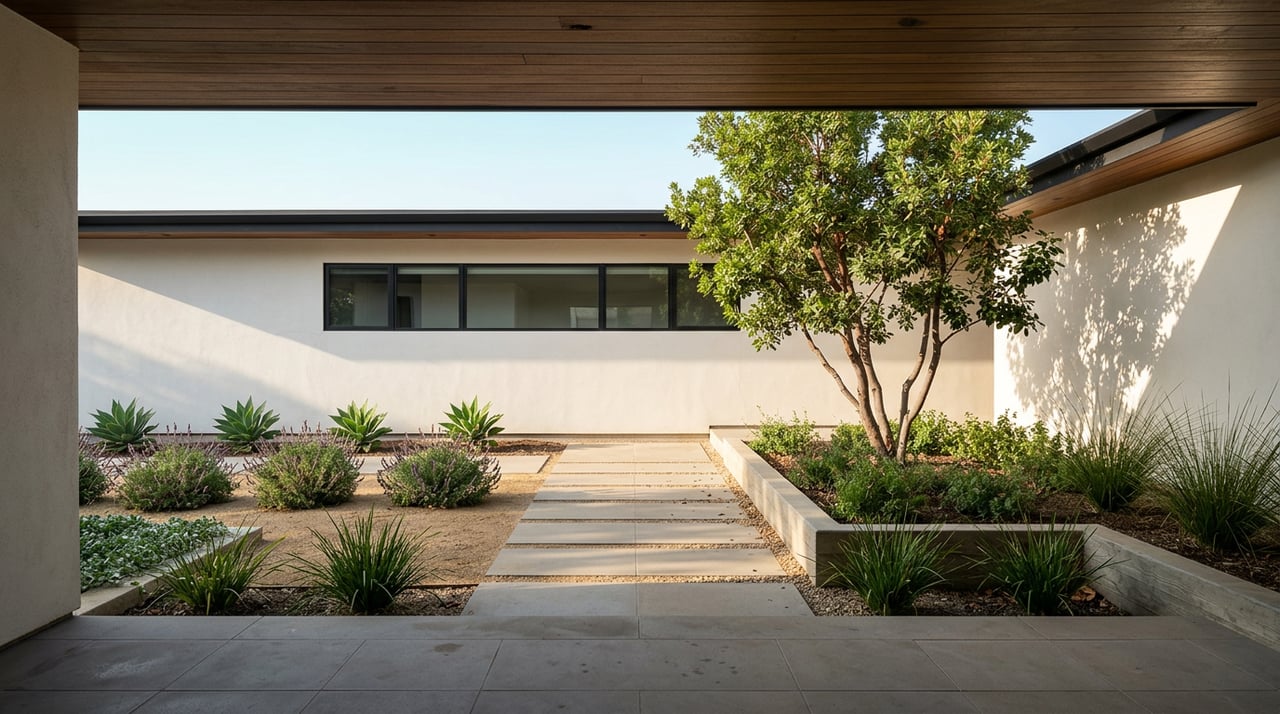
If one style best captures Cliff Haven’s current direction, it may be warm contemporary or coastal modern. The neighborhood has many newer or heavily rebuilt homes that follow this design language.
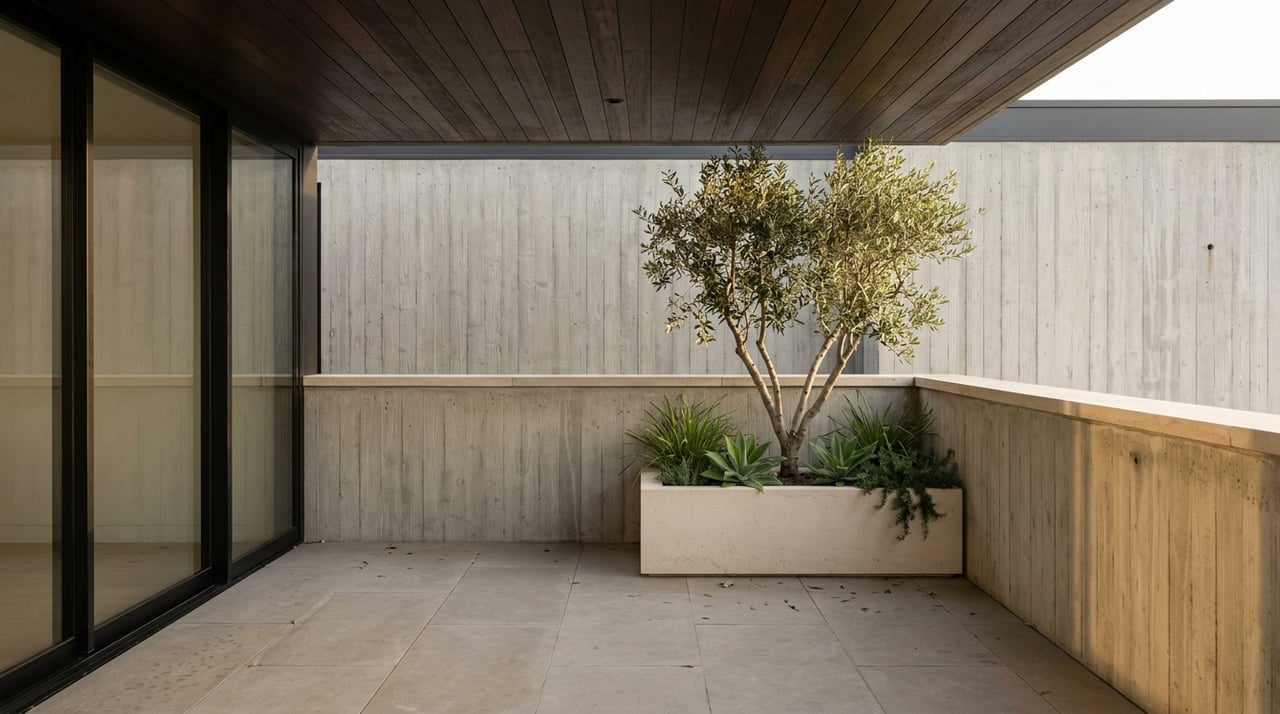
Modern homes typically favor flat or low roofs, extensive glass, open interiors, and strong indoor-outdoor connections. In Cliff Haven, that often includes broad patios, roof decks, and walls of glass that make the most of the setting.
Why Buyers Notice These Homes
For design-minded buyers, these properties often feel aligned with how people want to live now. They tend to prioritize natural light, flexible gathering spaces, and clean material palettes.
They also fit bouHAUS’s design-first lens especially well. In a neighborhood where setting matters so much, contemporary homes can make the relationship between architecture and landscape feel very direct.
The Landscape Is Part of the Architecture
One reason Cliff Haven feels cohesive is that the neighborhood’s natural context keeps pulling everything into the same visual conversation. The area is tied to elevated terrace streets and Newport Harbor, which the city describes as more than 3 miles long and extending into the Back Bay.
The city also describes Newport Harbor as one of the largest recreational harbors in the United States, with more than 9,000 boats docked within the 21-square-mile harbor area. That scale helps explain why water, light, and view orientation carry so much weight in nearby residential design.
Public spaces reinforce that daily connection. Cliff Drive Park & Community Center has a bay view, Kings Road Park lists bay and ocean views, Castaways Trail overlooks Upper Newport Bay and Newport Harbor, and Marina Park adds a waterfront recreational setting on the Balboa Peninsula.
What This Means When You Tour Homes
If you are evaluating a property in Cliff Haven, do not just study the facade. Look at how the home engages the site.
Ask yourself:
- Does the floor plan seem oriented toward light and views?
- Do outdoor spaces feel usable and intentional?
- Does the roofline work with the terrain?
- Do the windows frame sky, bay, or harbor sightlines?
In Cliff Haven, the best homes often feel connected to the landscape before they impress you with a style label.
How to Read a Cliff Haven Street
The quickest way to understand the neighborhood is to read each block as a mix of eras layered onto a shared bluff-top framework. One house may carry ranch bones, the next may be a Cape Cod rebuild, and another may present as a warm contemporary glass-and-stucco composition.
That variety is not a flaw. It is one of the clearest signs of a neighborhood that has evolved over decades while staying rooted in place.
For buyers, that creates a more interesting search. For sellers, it means architectural story, setting, and presentation can play a major role in how a home stands out.
Why Cliff Haven Appeals to Design-Minded Buyers
Cliff Haven offers something many coastal neighborhoods do not: variety without losing identity. The neighborhood does not rely on strict uniformity to feel cohesive.
Instead, its character comes from larger lots, curving streets, bluff-top positioning, and homes designed with water, light, and outdoor living in mind. That combination gives design-minded buyers room to choose between original character, classic revival forms, or newer modern expression.
If you are drawn to architecture that feels shaped by context rather than copied from a formula, Cliff Haven is worth a closer look. And if you are preparing to buy or sell here, understanding the neighborhood’s visual language can help you see value more clearly.
If you want guidance on buying, selling, valuing, or quietly exploring architecturally notable homes in Newport Beach, bouHAUS brings a design-forward, hyperlocal perspective to the process.
FAQs
What architectural styles can you see in Cliff Haven?
- Cliff Haven includes ranch, mid-century-inspired, Cape Cod, coastal traditional, Mediterranean, Santa Barbara-inspired, and warm contemporary homes.
Why does Cliff Haven have so many different home styles?
- The neighborhood was tract-developed in 1947 and later saw many remodels and rebuilds, which layered newer design languages onto an older postwar lot pattern.
What defines Cliff Haven’s original housing pattern?
- Cliff Haven is associated with postwar suburban expansion, curving streets, larger lots, and ranch-style homes that helped establish the neighborhood’s early visual identity.
What features should you notice when touring Cliff Haven homes?
- Focus on roofline, massing, window rhythm, outdoor rooms, and how the home is oriented to light, bay, harbor, or ocean views.
Why do Cliff Haven homes feel connected despite different styles?
- The neighborhood’s visual unity comes from its bluff-top setting, shared relationship to water and sky, and a recurring emphasis on indoor-outdoor living rather than one single architectural code.